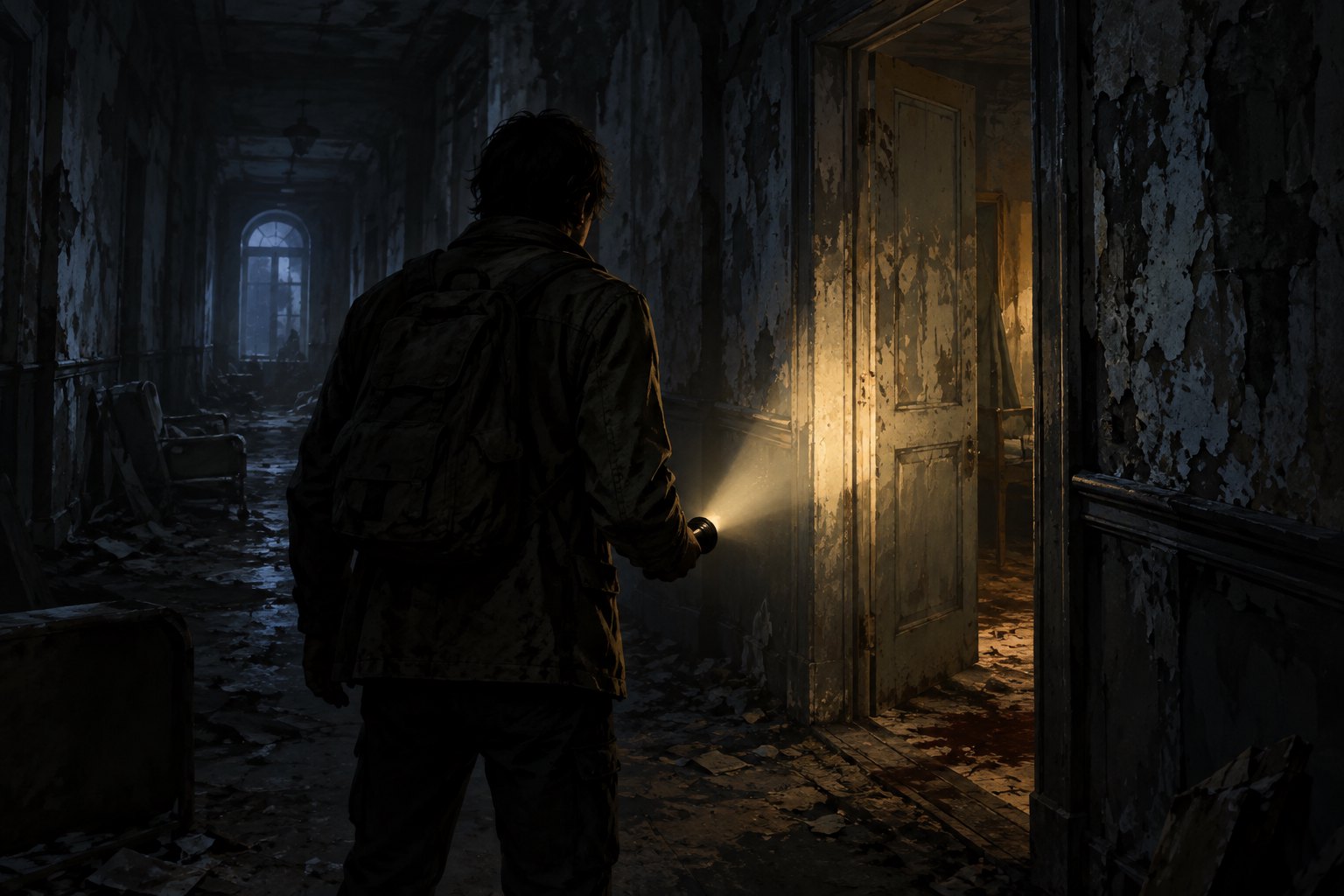
Zach Cregger’s Resident Evil raises a particularly interesting question for horror adaptations: can watching someone survive produce the same anxiety as having to make their decisions yourself? Game Informer’s assessment puts that emotional connection at the center of its praise. The compelling idea is that a movie can translate the apprehension of playing, making the next move feel dangerous before anything actually attacks.
That is a specific kind of achievement. A frightening creature can startle an audience. A difficult choice can keep that audience unsettled long after the creature disappears. For a film associated with survival horror, the relationship between those two experiences deserves close attention.
Spoiler-free critical commentary: this article examines the adaptation principle behind that assessment. It does not offer a firsthand verdict on individual scenes, performances, dialogue, or the ending.
The character’s uncertainty is the audience’s way in
The most useful starting point is the person trying to survive. From that character’s perspective, a threatening environment presents practical problems before it presents mythology. Where is the exit? What made that sound? Is there enough time to investigate? Each question gives fear a shape that viewers can understand without an explanation of the larger fictional world.
My reading of the appeal here is that identification begins with incomplete knowledge. A protagonist does not need to resemble the viewer for the viewer to share a calculation. Someone pauses outside a dangerous space, and we mentally weigh the same alternatives. Proceeding might be reckless. Staying might be worse.
For Cregger’s adaptation, the reported connection to playing is therefore more interesting than a broad claim that the movie is scary. It suggests a critical standard based on how closely the audience follows a survivor’s thinking. The relevant question becomes whether we understand the pressure behind a decision, including decisions we would prefer the character not to make.
A movie can make viewers participate through anticipation
A player acts; a moviegoer watches. That difference gives a film adaptation a formal problem. The audience cannot test a route, turn around, or delay opening a door. The filmmaker determines the pace and outcome. Yet spectators can still participate mentally when a sequence gives them enough information to anticipate consequences.
Consider a hypothetical horror setup, rather than a scene attributed to this film: a character must cross an exposed room to reach an exit. If the camera establishes the distance, the obstruction, and the possible hiding place, the viewer begins making a plan. Suspense grows as the character approaches the part of that plan most likely to fail.
This is why readable space matters. Total visual confusion can produce a momentary jolt, but it can also prevent the audience from understanding what survival requires. A clearly established room lets uncertainty attach to something concrete. We know where the character needs to go; we cannot know whether getting there will be possible.
That distinction develops a different question from our discussion of what a Resident Evil adaptation owes its audience. Here, the emphasis falls on the construction of suspense: how a film turns observation into an uneasy form of participation.
Scarcity gives small choices dramatic weight
A limited resource creates two problems at once. Using it may solve an immediate danger while making a later danger harder to survive. This is an especially productive foundation for character-focused horror because the cost belongs to the person making the decision. Relief and regret can arrive together.
In cinema, that cost has to remain legible. Viewers need some understanding of what is available, what has been spent, and what can no longer be assumed. A film does not need to display an inventory to communicate scarcity. Attention, repetition, and a character’s hesitation can make an ordinary object feel increasingly important.
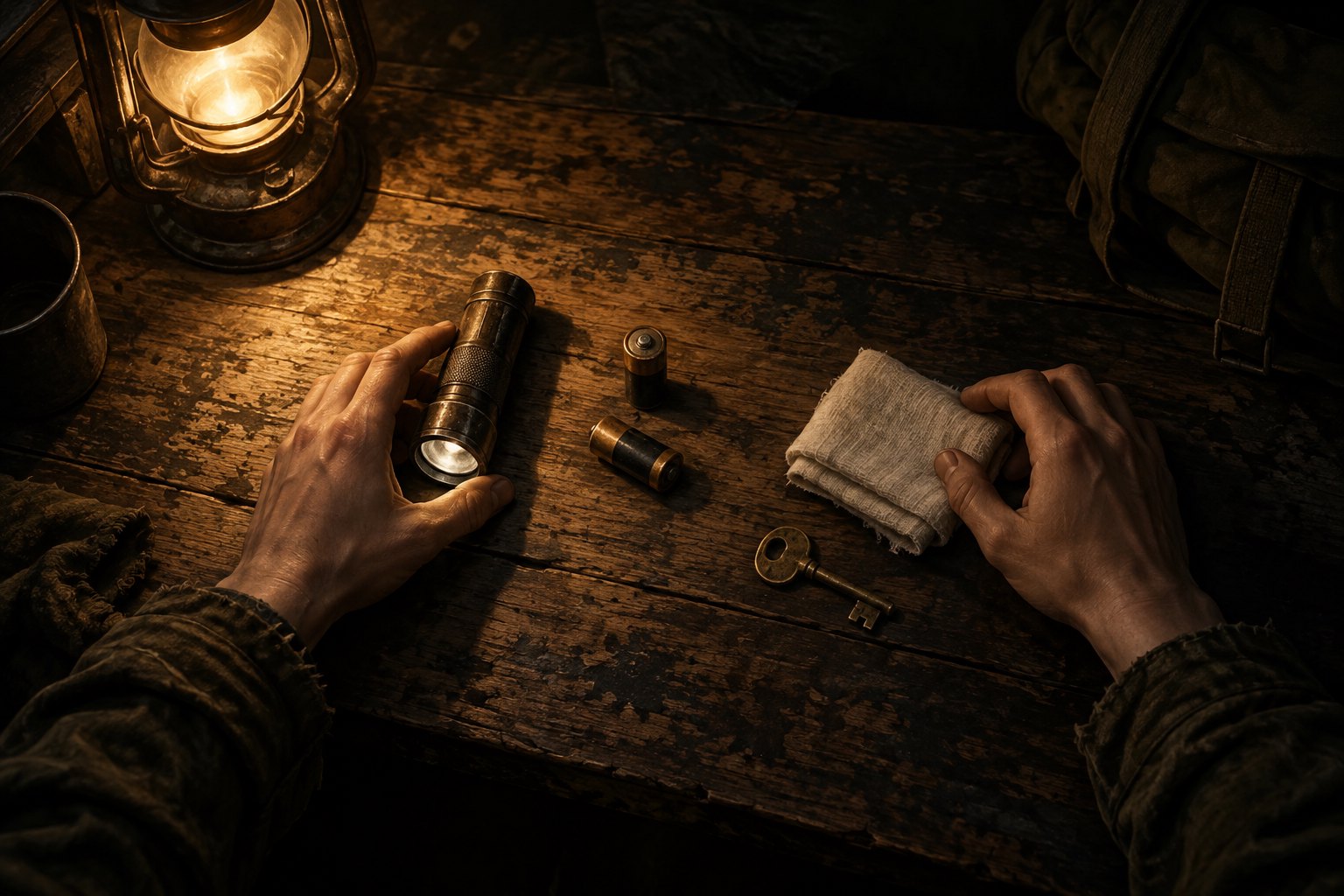
The deeper dramatic opportunity lies in behavior. Scarcity can make someone cautious, possessive, generous, or impulsive. A survivor who shares something valuable accepts a different risk from one who keeps it. The same external threat can expose very different priorities.
This is a useful test for the emotional resemblance being discussed around Cregger’s film. Does danger simply interrupt the action, or does it change the meaning of the next decision? My preference is for suspense that accumulates: an escape should leave some trace in what the character can do, what they fear, or how readily they trust their own judgment.
Vulnerability needs room for intelligence
A character can be frightened and capable at the same time. In fact, competence often makes horror more involving. When someone notices a danger, makes a reasonable plan, and still faces uncertainty, the audience cannot dismiss the situation as a problem that common sense would easily solve.
Constant foolishness weakens that connection. It encourages spectators to stand outside the character’s experience and judge it. Credible limitations draw us closer. Fatigue, missing information, and competing needs can explain an imperfect choice without reducing the person to a mechanism for delivering the next scare.
For an adaptation praised for recalling play, this balance matters. Learning should create some confidence, but confidence should remain vulnerable to new information. A survivor’s developing understanding can provide a satisfying dramatic progression even when absolute control remains out of reach.
Relief is part of the horror rhythm
Unbroken intensity has a diminishing return. If every moment announces maximum danger, the audience has little opportunity to distinguish an emergency from ordinary movement through the story. Quieter intervals allow fear to change register.
A pause can also return attention to the character’s body and mind. Catching a breath, assessing an injury, or reconsidering a route can make survival feel like work. These are general cinematic possibilities, not claims about particular moments in Cregger’s movie. Their value lies in allowing the audience to register what an ordeal has taken away.
The strongest relief remains emotionally complicated. Safety can feel welcome while its duration remains uncertain. That creates an uncomfortable double response: the viewer wants the story to move forward and wants the character to stay where things seem manageable.
This is also why commercial reception and the experience of suspense require separate judgments, a distinction explored in our commentary on Resident Evil’s opening-day reception. Attendance cannot tell us how precisely a film manages anticipation, exhaustion, and release.
The deeper idea: survival without certainty
The most compelling interpretation of the praise surrounding Cregger’s Resident Evil concerns responsibility under uncertainty. A survivor has to act before all the necessary information arrives. Waiting for certainty can itself become a dangerous decision.
That idea reaches beyond adaptation technique. It gives horror an intimate emotional foundation: the fear of choosing badly when every available option carries a cost. Viewers may have no control over the outcome, but they can recognize the burden of having to continue anyway.
For me, that is the richest standard contained in the claim that a film feels like playing Resident Evil. The meaningful connection is a shared state of mind—watching possibilities narrow, understanding why someone hesitates, and feeling the effort required to take one more step. A movie that earns that response has made its character’s uncertainty our own.
Original content by this site's editorial team. Published: September 19, 2026 at 17:38:49 PDT (Los Angeles time)