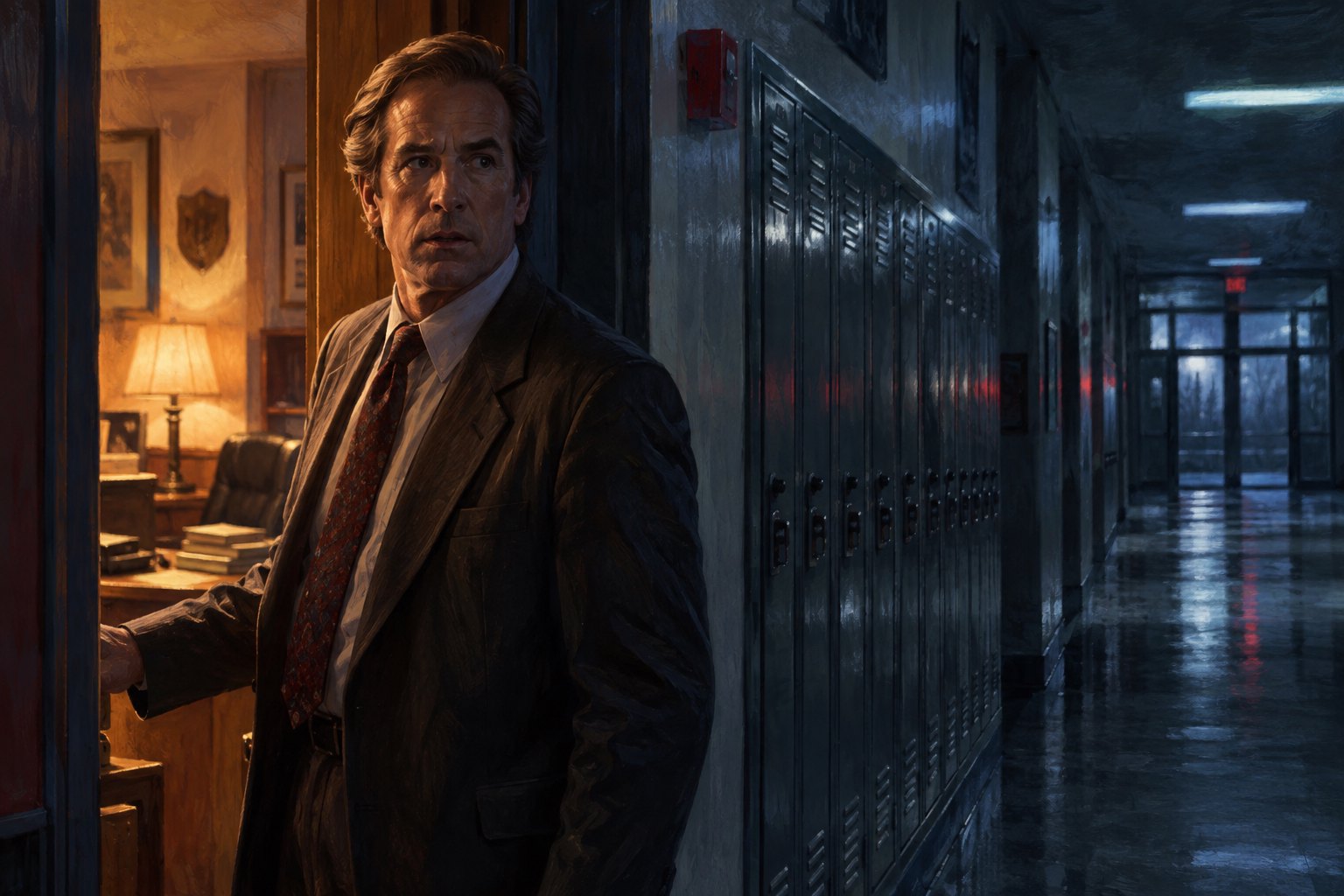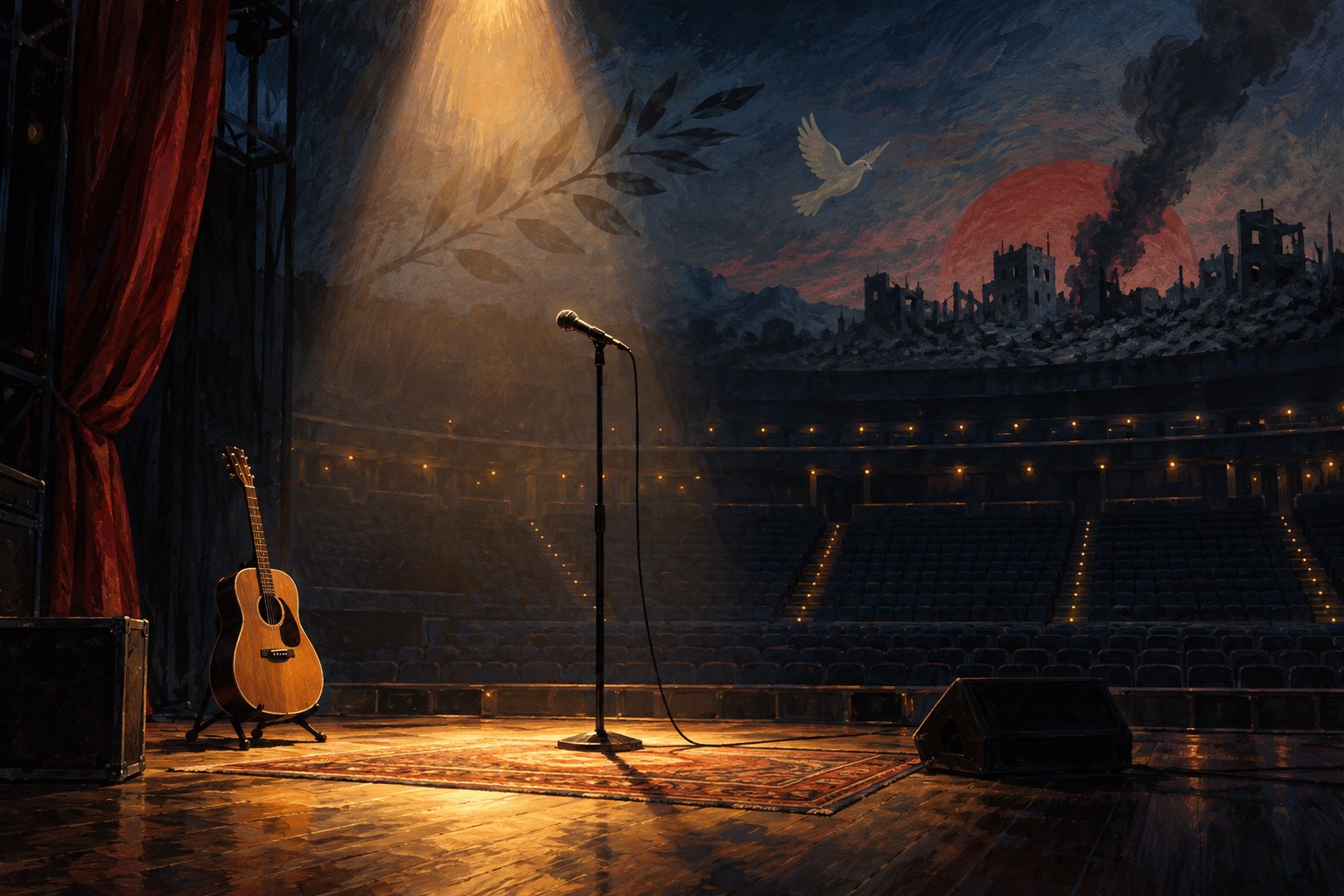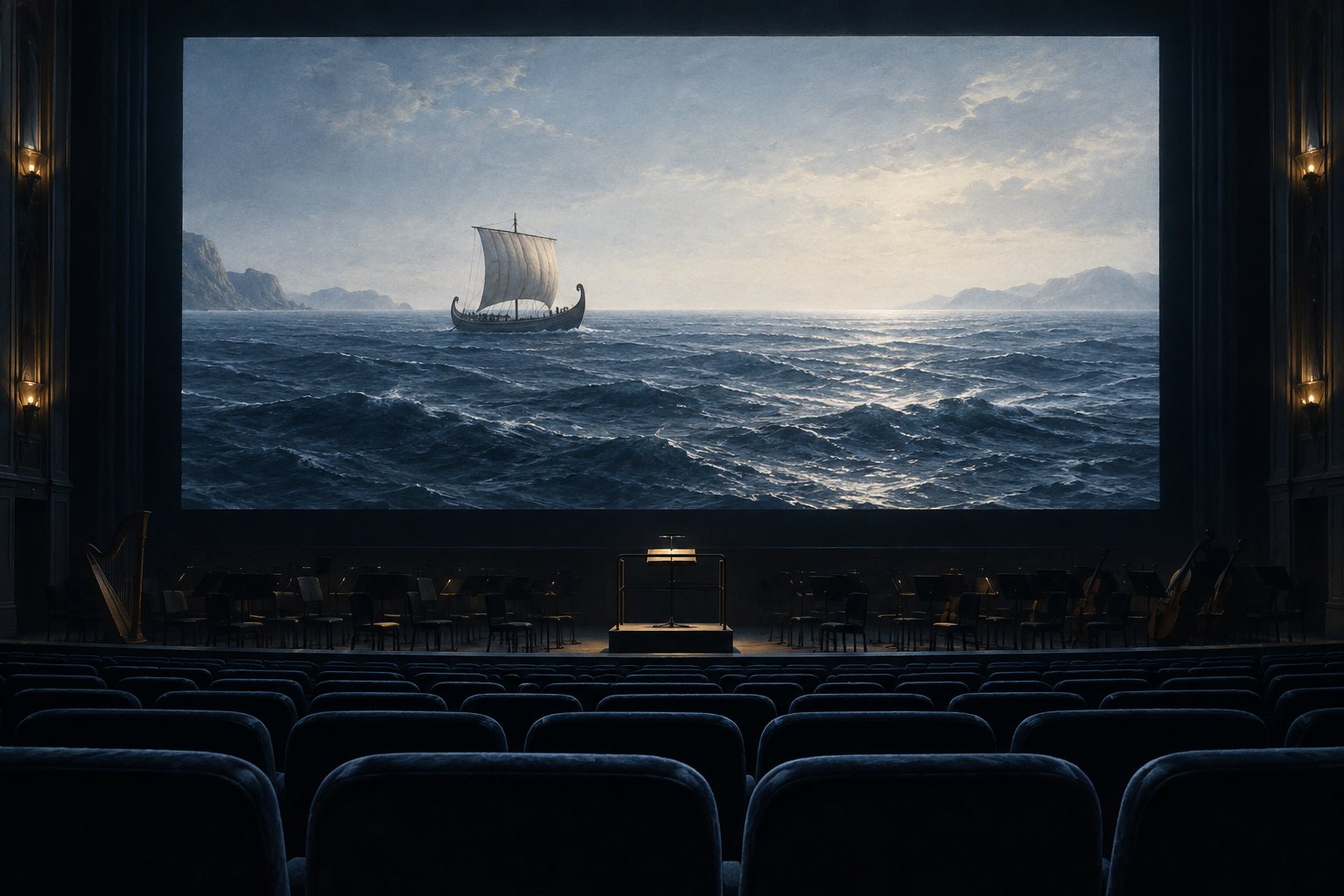
The Odyssey does not need to be literally silent for the argument about silence to matter. The strongest version of that argument is that an epic should sometimes let a face, a movement, or an uncomfortable pause carry its emotional weight. A soundtrack can make a journey feel enormous while leaving the person making it strangely distant.
The Arts Fuse’s headline proposing that The Odyssey should have been a silent film provides a provocative starting point. But that proposition contains several different criticisms: too much music, too much explanatory dialogue, or too little confidence in images. Those problems require different solutions. Removing speech would not necessarily fix an overbearing score.
Scope: This is an examination of the silent-film argument, rather than a firsthand review of the finished film’s individual scenes or sound mix. Character references concern the familiar Homeric premise; they do not establish which episodes or lines appear in a particular adaptation. No unverified film dialogue is quoted.
What would making The Odyssey silent actually solve?
Three things often get bundled together in discussions of movie sound: dialogue, environmental sound, and the musical score. Dialogue communicates what characters say. Environmental sound gives their surroundings a physical presence. A score can suggest feelings, establish patterns, or offer a perspective beyond what anyone onscreen knows.
Each can crowd out the others. Explanatory dialogue can flatten an expressive image. Music can obscure the fragile detail of a performance. An aggressive sound effect can turn an uncertain encounter into an unmistakable threat before the character has understood it.
My preference would be to preserve the distinctions. A scene without speech can still be musically oppressive; a conversation can feel wonderfully open if the score leaves it alone. The useful question is what a moment needs us to notice. If the answer is a hesitation before speaking, an emphatic musical cue may direct our attention to the wrong place.
There is also a difference between volume and insistence. Soft music can be emotionally prescriptive. A gentle, unbroken wash of sadness may tell viewers what to feel as firmly as a thunderous crescendo. Restraint involves allowing more than one interpretation, not simply turning the volume down.
Odysseus: the distance between endurance and triumph
For Odysseus, the central dramatic tension is the relationship between the heroic traveler and the person who wants to get home. Those identities need not feel the same. An act of endurance might contain determination, exhaustion, fear, and pride at once.
Imagine how differently the same close-up could work under three treatments. A rising musical phrase could frame his expression as resolve. An unsettled pulse could emphasize anxiety. Wind and breathing alone could leave us studying his face for an answer. These are hypothetical approaches, but they illustrate why scoring is also characterization.
I would favor the third approach whenever uncertainty is the point. If viewers must decide whether a leader is confident or merely performing confidence, the soundtrack should be careful about deciding for them. That ambiguity gives the people around him a reason to watch him closely—and gives us the same task.
This does not make heroic music inherently shallow. A full musical statement could become more affecting after a passage in which certainty has disappeared. The contrast would give triumph a history. Without contrast, perseverance risks becoming a continuous mood instead of something a character must repeatedly choose.
The same interest in the person beneath the ordeal informs our discussion of the human cost of survival in Resident Evil. Spectacle becomes more involving when endurance has an individual emotional price.
Penelope needs room to think
Penelope offers a different test. In the familiar story, her relationship to the journey is shaped by absence. An adaptation must make that absence dramatically active without treating her as an emotional destination waiting for the hero to arrive.
Music can either deepen that perspective or simplify it. A recurring tender theme might suggest attachment, but tenderness alone cannot express the whole experience of waiting. Uncertainty also demands judgment: what to believe, what to reveal, and how long to withhold a response.

Consider a hypothetical moment in which she studies someone before answering. A sorrowful cue could make that pause read as grief. Leaving it exposed could allow suspicion, calculation, fatigue, or hope to coexist. The difference matters because a person thinking is more interesting than a person assigned a single emotion.
Quiet can protect a character’s privacy. We can observe a gesture without receiving an immediate explanation of its meaning. That small distance encourages attention and respects the possibility that a character understands more than she chooses to disclose.
A silent version could lose something essential
The case for less speech deserves resistance, too. Odysseus is compelling as a figure whose relationship with identity involves what he tells others about himself. Voice can reveal persuasion, concealment, hesitation, and the wish to be believed. Removing dialogue could sacrifice those distinctions along with any unnecessary exposition.
Nor is visual storytelling automatically more subtle. A prolonged meaningful stare can become as obvious as an explanatory speech. A swelling score beneath that stare may leave even less room for interpretation than a short, plainly spoken sentence.
For me, the stronger goal is selective emphasis. Let a voice matter when its delivery changes our understanding. Let music matter when it adds a perspective the image cannot supply. Let the image stand alone when the performance already contains the conflict.
This is also why adaptation should begin with a clear sense of whose experience governs a scene, a question explored in our commentary on character perspective and the challenge of adapting Spawn. A recognizable story still needs a precise emotional point of view.
How to judge whether the music earns its place
A useful listening test goes beyond asking whether a score is memorable. Notice when it enters. Does it arrive after a character’s reaction, giving that reaction room to register? Or does it announce the emotion before the actor can establish it?
Listen for what changes when the music stops. If the environment suddenly feels tangible, the earlier scoring may have kept physical detail at a distance. If its absence creates a meaningful rupture, the score may have established exactly the relationship the scene needs to break.
Finally, ask whether different perspectives receive different treatment. A traveler’s urgency and a waiting partner’s uncertainty need not share the same musical momentum. Distinguishing them can make the distance between characters emotionally legible.
The deeper argument is about recognition
The most persuasive reason to want a quieter Odyssey is that homecoming carries a more intimate demand than arrival. As an interpretation of the story’s central premise, returning home means confronting the distance between the identity a traveler carries and the person others are prepared to recognize.
Music can express the longing within that distance. Silence can make us remain inside its uncertainty. Neither deserves automatic priority.
I would therefore treat the silent-film proposition as a challenge to earn every layer of sound. An epic becomes emotionally large when it gives small human responses enough space to matter. Sometimes the decisive event is simply that one person stops speaking and finally attends to another.
Original content by this site's editorial team. Published: September 20, 2026 at 05:55:40 PDT (Los Angeles time)