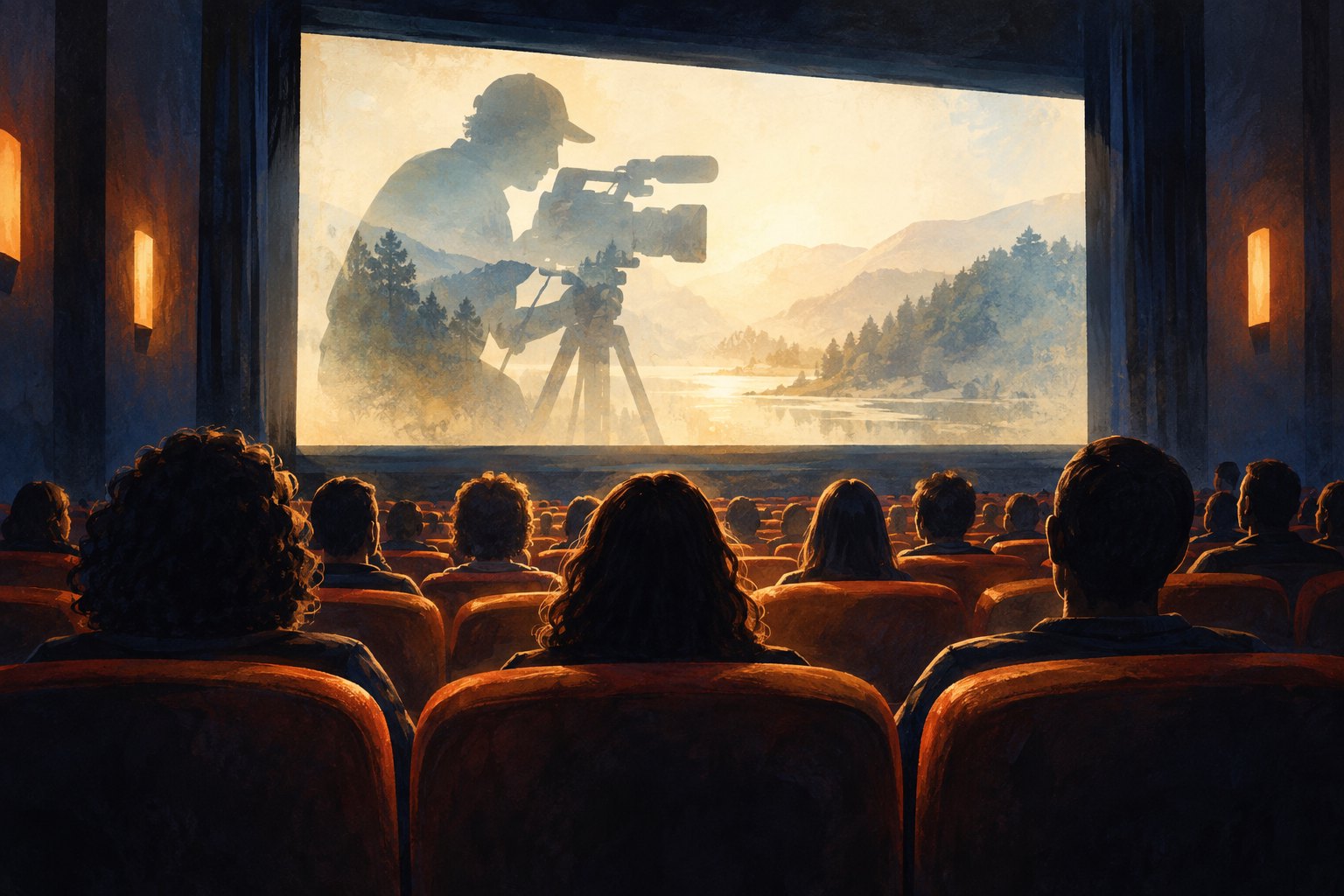
Hot Springs Documentary Film Festival has announced its 2026 lineup and honorees, according to Deadline. The pairing brings two kinds of attention into the same frame: recognition for the films selected and recognition for the people being celebrated. For documentary audiences, it also opens a worthwhile discussion about where authorship begins—and how much of a film’s power belongs to the people whose lives make it possible.
This is spoiler-free festival commentary. It considers the significance of the announcement without assigning verdicts to individual selections or presenting a complete roster of films and honorees.
My critical interest in the Hot Springs announcement lies in that relationship between selection and recognition. A filmmaker can deserve celebration for extraordinary work while the people on screen deserve equally serious consideration as thinking, choosing individuals. A useful response to a documentary festival should make room for both.
A lineup and an honors list make different arguments
A festival lineup makes an argument through selection. It gives certain films a shared context and invites audiences to consider them together. An honors list directs attention toward achievement, influence, or contribution. Announcing both creates an opportunity to think about documentary filmmaking across two scales: the particular choices inside one film and the larger body of work surrounding it.
Those scales should remain distinct when we assess a movie. Respect for someone’s career can sharpen our interest in a new film, but it cannot establish whether that film’s argument holds together. Likewise, an uneven work may still contain a remarkable interview, an illuminating piece of archival research, or a formal experiment worth discussing.
For Hot Springs, the editorial opportunity is to turn recognition into closer looking. The most useful response to an honor is curiosity about the work: what does this filmmaker notice, how do they construct an account, and whose understanding of events shapes the result? Those questions give celebration substance.
The people on screen have goals of their own
Character-focused criticism becomes especially delicate in documentary. We may describe someone as a protagonist because the film organizes itself around their experience. Yet that person’s life extends beyond the story’s beginning and ending. They may want something that the filmmaker’s central question only partly captures.
Consider a hypothetical interview about a family dispute. A director might be seeking an explanation for an old rupture; the participant might be trying to protect a sibling, correct a public misunderstanding, or preserve a private boundary. Their hesitation could reflect any of those purposes. Treating it automatically as shame or dishonesty would flatten the person into a convenient dramatic function.
That is why I value documentaries that make competing intentions legible. Viewers need enough context to understand what someone hopes to achieve, what they risk by speaking, and what remains outside the camera’s access. Emotional intimacy becomes more meaningful when the film acknowledges the conditions under which it was obtained.
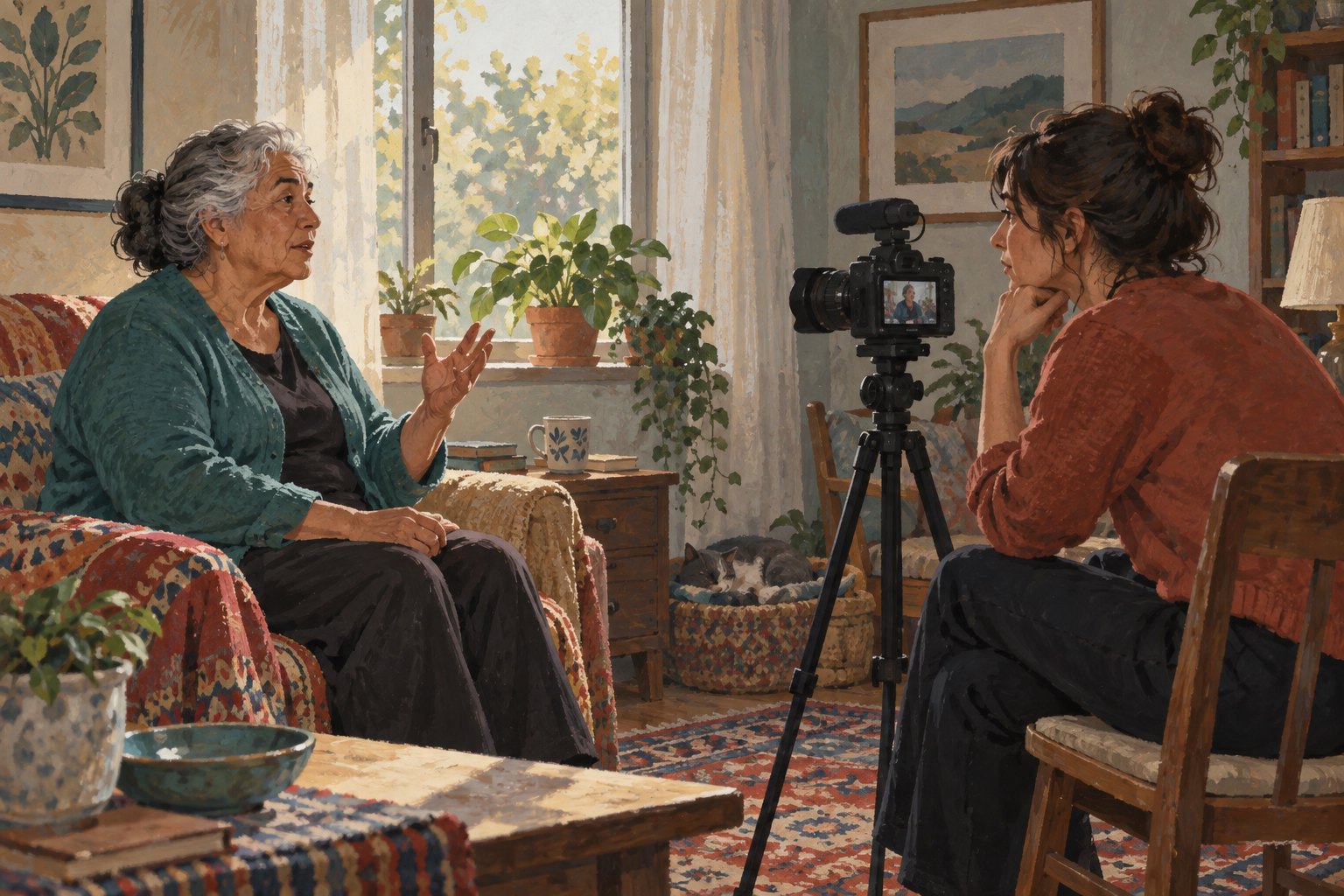
This is a productive perspective to bring to the Hot Springs selections once watching them. Notice whether participants can redirect a conversation, complicate the central premise, or express desires unrelated to the film’s apparent destination. Those moments can reveal a person more fully than a perfectly shaped confession.
Editing determines how we understand a person
Documentary authorship becomes tangible in the edit. The duration of a pause, the placement of a reaction shot, and the move from testimony to archival material all influence interpretation. A statement followed by skeptical commentary occupies a different dramatic position from the same statement followed by silence.
None of those techniques is inherently suspect. They are part of cinematic expression. The critical question is whether the relationships created between images and sounds are supported by the material. Does the film clarify chronology? Can viewers distinguish an event recorded as it happened from a later recollection? Does an image provide evidence, atmosphere, or an illustration of someone’s account?
Our discussion of how post-production shapes the finished viewing experience offers a related perspective on this often less-visible labor. In nonfiction, that work shapes our understanding of real people as well as rhythm and suspense.
A celebration of documentary achievement becomes richer when it includes this craft. The decisive accomplishment may be a patient sequence that preserves uncertainty, or an edit that allows two incompatible memories to remain in conversation. Such choices deserve precise praise.
Memorable testimony needs its surrounding scene
A striking line can become the sentence through which audiences remember a documentary. But testimony carries context: who asked the question, what happened before the answer, and whether the speaker later qualified it. Quoting the most dramatic fragment can accidentally turn ambivalence into certainty.
When reviewing films from the Hot Springs program, the useful standard is to explain what a memorable statement does within its scene. Does it alter our understanding of a relationship? Challenge an earlier account? Reveal that the speaker’s priorities differ from the director’s? That analysis respects the words by preserving their function.
The same discipline applies to disagreement. Our commentary on the NAZA controversy and the reception of documentary testimony considers a related problem: how reactions surrounding a film can interfere with assessing what it actually presents. Festival recognition should encourage attentive engagement without making scrutiny feel unwelcome.
Questions that make recognition more meaningful
The Hot Springs announcement provides an occasion to ask what we want documentary celebration to illuminate. For audiences discussing a film afterward, these questions can move the conversation beyond whether its subject was compelling:
- Whose objective drives the story? Identify what the central participant wants and whether the film gives that desire room to develop.
- What supports the central claim? Separate recorded events, personal recollection, interpretation, and unresolved questions.
- Where does the film acknowledge its limits? Look for clarity about missing access, uncertain chronology, or conflicting accounts.
- What does the ending ask us to believe? Consider whether its emotional resolution is supported by the lives and circumstances shown.
These questions can also make appreciation more specific. Instead of praising a documentary simply for being powerful, we can identify the sustained attention, careful construction, or openness to contradiction that produced that response.
Celebrating the filmmaker while seeing the participant
The deeper significance of placing a lineup beside a list of honorees is the invitation to connect achievement with responsibility. Documentary filmmaking involves deciding how another person will become visible to strangers. Its artistry resides partly in managing that encounter: choosing what to emphasize while recognizing how much a frame leaves outside.
For me, the strongest documentary work allows its participants to exceed the purpose for which we first meet them. They can be funny during a painful story, mistaken without becoming worthless witnesses, or resistant without becoming obstacles. Their complexity gives the filmmaking something substantial to answer to.
That is the standard I would bring to Hot Springs’ 2026 program: an appreciation of authorship attentive to the people who make that authorship possible. Honors can direct us toward a filmmaker. The films must then teach us how to look at everyone else.
Original content by this site's editorial team. Published: September 19, 2026 at 16:23:46 PDT (Los Angeles time)