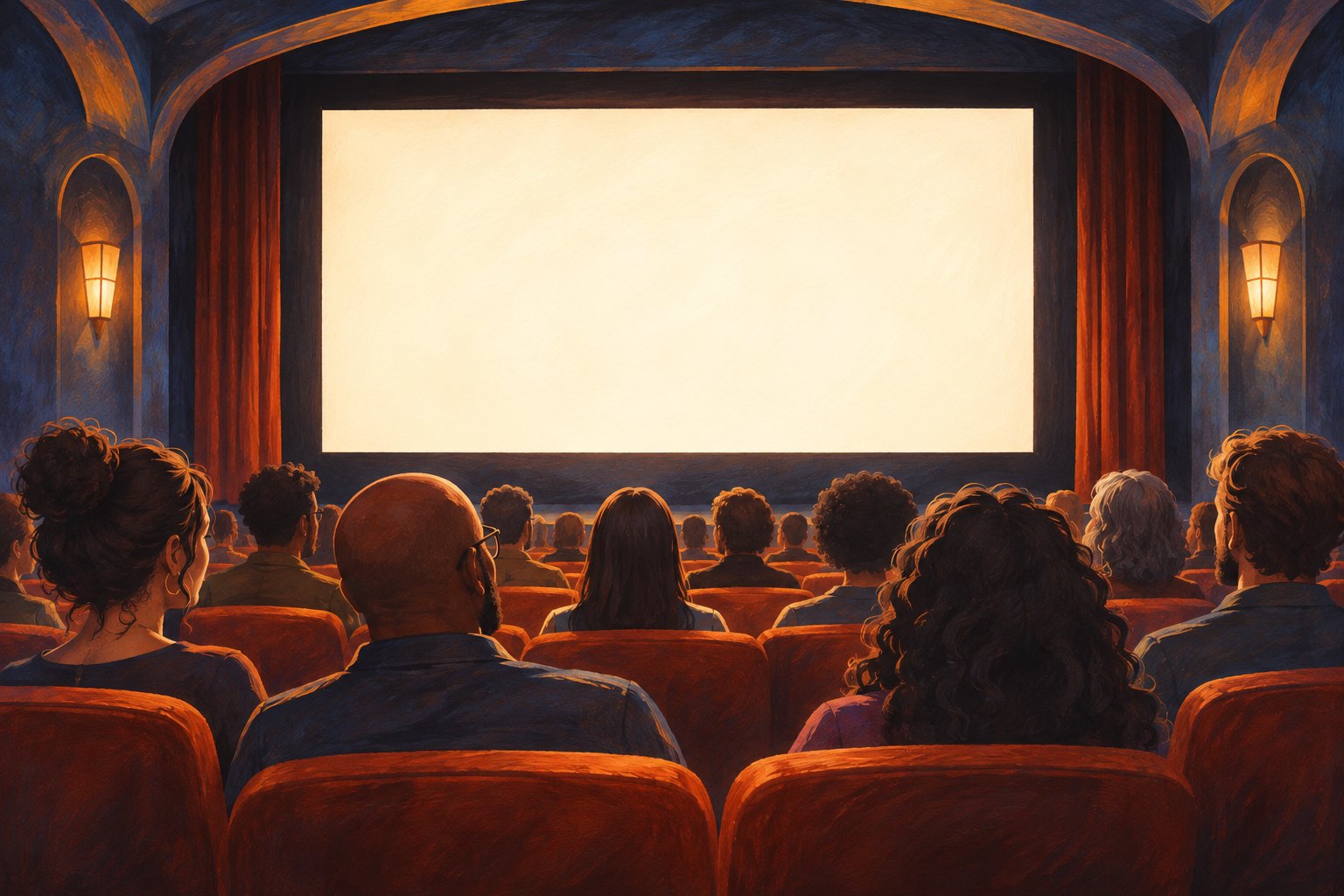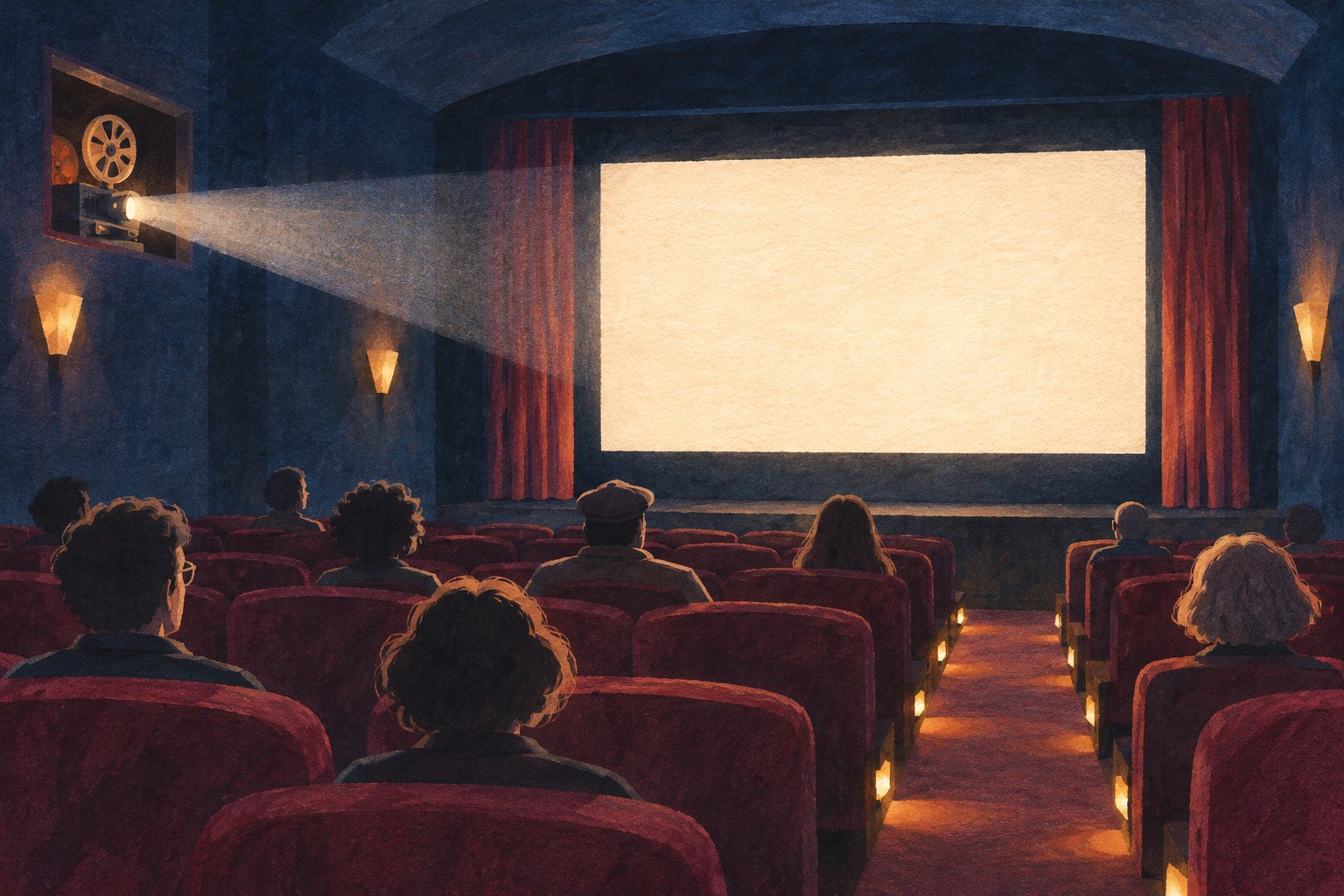
Exhibitors, programmers, festival organizers, and archivists influence something fundamental about cinema: which movies we get to see, how we encounter them, and whether anyone will be able to see them again. Newcity Film’s Film 50 2026: Exhibitors, Programmers, Festivals & Archivists brings these interconnected fields into focus. For moviegoers, their importance extends beyond the names attached to an institution. Their work helps determine the range of stories available to us.
This is film-culture commentary, rather than a review of an individual movie. The central argument is straightforward: a finished film still needs people who can bring it into public life. An excellent performance cannot reach an audience through reputation alone. Someone must make the encounter possible—and give the work conditions in which it can be understood.
Exhibition Shapes What We Notice in a Performance
Consider a hypothetical scene in which a character listens without speaking. The meaning might rest on a tightening jaw, a glance toward the door, or the interval between a question and an answer. If the image is difficult to read or the soundtrack obscures a quiet breath, the audience loses evidence. What looks like an underwritten character may actually be a performance whose details have become inaccessible.
That is why exhibition deserves a place in serious film analysis. Projection, sound, sightlines, and the management of distractions affect our ability to follow the choices a movie makes. They do not manufacture artistic quality, but they can help reveal it. A theater’s responsibility begins with making the work perceptible.
My view is that the strongest argument for theatrical viewing begins here, with attention. A large screen can make small behavior legible. A shared room can make a pause feel unusually exposed. Neither effect guarantees a profound experience; both create opportunities for one.
Access belongs in the same discussion. Clear information about captions, physical accessibility, running times, and admission helps viewers decide whether a screening will work for them. An inviting atmosphere matters little if the practical route into the room remains confusing.
Programming Is an Interpretation Before the Opening Shot
A programmer chooses more than a title. The surrounding program suggests a way to approach it. A domestic drama shown beside other films about work might draw attention to unpaid labor. The same drama in a series about unreliable memory could direct viewers toward omissions and contradictions. The footage remains unchanged, while the questions brought to it shift.
This gives programming real critical power. A thoughtful pairing can expose a connection that an isolated viewing might miss. It can also become too restrictive, reducing a complicated movie to evidence for a theme. The best context offers a starting point without dictating the destination.
Keep the character larger than the category
For viewers who favor character-focused criticism, a useful test is whether the framing leaves room for contradiction. Does a protagonist get to be funny, selfish, uncertain, and affectionate? Or does the introduction encourage us to treat that person only as a representative of an issue?
A program note earns its place when it supplies relevant context and then allows the film to complicate it. The broader question of who establishes that context also informs our commentary on Pocahontas Reframed and who gets to shape the story. Representation involves the terms of the encounter as well as the images on screen.
Festivals Should Make Discovery Possible, Not Compulsory
A festival concentrates choices into a limited span of time. That can encourage adventurous viewing: a short film before a feature, an unfamiliar filmmaker between anticipated screenings, a conversation that sends someone toward another program. It can also create pressure to accumulate titles instead of absorbing them.
As an editorial judgment, a worthwhile festival experience should leave space for a movie to register. A difficult ending needs time. So does a performance whose emotional logic becomes clear only after the initial reaction fades. More screenings do not automatically produce more understanding.
Discussions are most useful when they return attention to specific artistic decisions. Asking how a scene establishes a character’s knowledge usually reveals more than asking for a single definitive message. Filmmakers can illuminate their intentions, but audiences still need room to describe what the completed work actually communicates.
For practical viewing choices, our guide to choosing screenings at the 32nd Black Harvest Film Festival offers a related starting point. The larger principle is to build a manageable experience that permits curiosity and reflection.
Archives Preserve the Possibility of a Different Judgment
Preservation introduces a longer timescale. An exhibitor must think about the next audience; an archivist must also consider audiences who cannot yet ask for a film. That difference makes archival work central to criticism. Future viewers need access to the material before they can reconsider what earlier generations valued or overlooked.
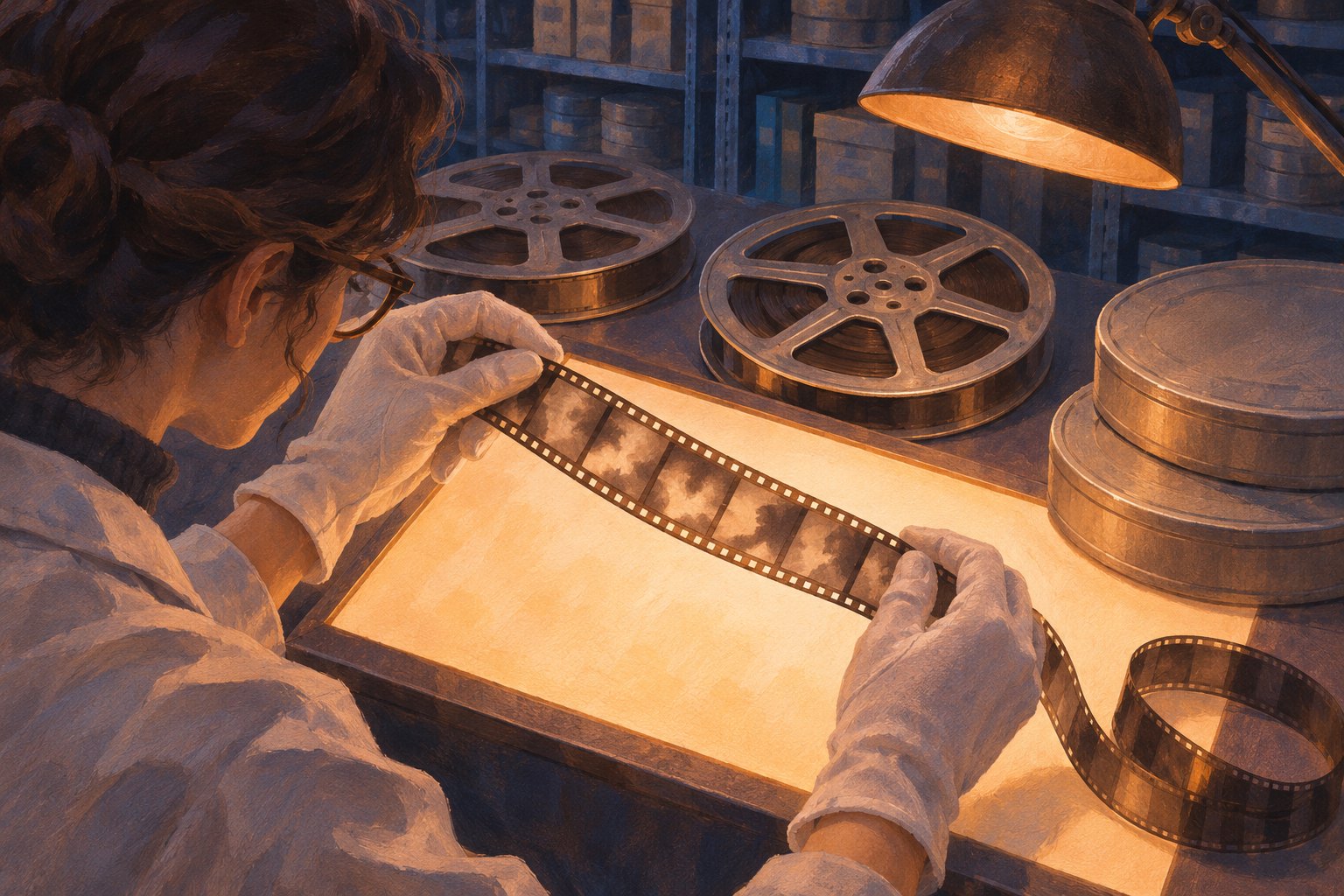
A film’s survival and its availability are separate questions. Keeping material safe does not necessarily make it easy to identify, study, or screen. Description, documentation, permissions, and usable viewing materials can all affect whether preservation leads to an encounter with an audience.
For the viewer, this makes version information worth noticing. A screening described as a restoration or reconstruction invites reasonable questions: What material was available? What was changed? Are any passages missing? Such details help establish what is actually being evaluated. They need not turn every review into a technical report.
There is also a deeper critical stake. If we preserve only work already considered important, we restrict the evidence available to anyone who might disagree. An unfamiliar film may offer an unexpected performance, a neglected aesthetic approach, or an account of everyday life missing from more celebrated work. Preservation keeps those possibilities open without requiring advance agreement about greatness.
What Moviegoers Can Look For
The four fields highlighted by Film 50 suggest a practical way to evaluate the organizations behind a screening:
- Presentation: Can you clearly see and hear the details on which the film depends?
- Context: Does the introduction help you look closely while leaving interpretation open?
- Access: Is the information needed to attend easy to find and understand?
- Continuity: Can you learn more about the work, its version, or related screenings afterward?
No single screening has to satisfy every possible ambition. These questions simply make the labor surrounding movies visible and give audiences something more concrete than prestige to assess.
Cinema Needs More Than a Moment of Attention
The deeper significance of bringing exhibitors, programmers, festivals, and archivists together is their shared responsibility for a film’s life beyond completion. Each works at a different point in the passage from artistic creation to public experience. Each can widen or narrow the opportunity for a viewer to encounter something unfamiliar.
For a site devoted to honest movie reviews, that matters directly. Criticism depends on access to films and enough attention to judge them fairly. The people who sustain those conditions help ensure that a character’s hesitation, an unsettling image, or an unresolved ending can still find someone willing to look closely. Their most meaningful achievement is making that encounter possible again.
Original content by this site's editorial team. Published: November 4, 2026 at 11:18:32 PST (Los Angeles time)