Street Fighter, featuring Noah Centineo and Andrew Koji, is the subject of first-reactions coverage from The Hollywood Reporter. For readers wondering whether that means the movie delivers, the essential distinction is between an early impression and an argued verdict. The existence of a reactions roundup does not, by itself, establish critical consensus or tell us how well the film develops its characters.
This is a spoiler-free critical preview, not a review based on a screening. It does not assign the movie a score or treat unverified dialogue, plot developments, or audience opinions as established facts. Its focus is the question that makes this particular adaptation worth discussing: what would turn Centineo and Koji’s performances into something more lasting than a collection of impressive fighting poses?
What first reactions can actually tell you
A useful early response identifies the source of a viewer’s enjoyment. Praise for physical performance means something different from praise for storytelling. An enthusiastic comment about a spectacular confrontation might describe a genuinely accomplished sequence while leaving the surrounding film largely unexamined. Neither observation cancels the other.
When reading reactions to Street Fighter, look for distinctions between action, comic timing, emotional involvement, and narrative clarity. Those categories help explain whether a viewer enjoyed individual moments or felt carried through a complete story. A response becomes more informative when it connects an adjective to an observable feature: readable movement, expressive reactions, or a relationship that changes under pressure.
Also consider what a short response leaves unanswered. Does the viewer explain why a confrontation matters? Can someone unfamiliar with the characters follow their motivations? Is the ending satisfying on its own terms? Silence on these points is not evidence of failure. It simply means that the reaction has not addressed them.
Centineo and Koji: the performance question beneath the spectacle
With Centineo and Koji foregrounded in the coverage, their dramatic contribution deserves attention beyond physical resemblance or athletic credibility. For my money, a compelling action performance makes a character’s intentions readable before anyone explains them. The way someone enters a room, watches an opponent, or responds to embarrassment can establish a personality as efficiently as a speech.
That is the standard I would bring to both actors here. Does confidence feel secure, rehearsed, or defensive? Does restraint suggest patience, fear, or a refusal to reveal weakness? These are questions for the performances to answer, not claims about specific scenes in the finished film. They identify the difference between looking convincing in costume and making a character feel internally consistent.
Interaction matters just as much. An actor can be charismatic in isolation without creating an interesting relationship with another performer. The stronger test is whether one person’s behavior changes the other’s: a glance interrupts bravado, a joke fails to hide discomfort, or a challenge produces an unexpectedly measured response. Such exchanges give action an emotional context.
The same concern underlies our discussion of how an ensemble takes shape in Narcs: a cast list creates possibilities, while the relationships on screen determine their dramatic value.
Fight choreography should reveal a way of thinking
For Street Fighter, the most useful critical question about action is not simply whether it looks powerful. It is whether the movement expresses a decision. A character who rushes forward after being provoked tells us something different from one who waits, studies, and adjusts. Even without dialogue, a fight can expose a person’s priorities.
Spatial clarity makes that storytelling possible. Viewers need enough information to understand distance, danger, and the consequences of a mistake. Rapid editing is not automatically confusing, and a long take is not automatically expressive. What matters is whether the presentation allows us to follow choices rather than merely register impacts.
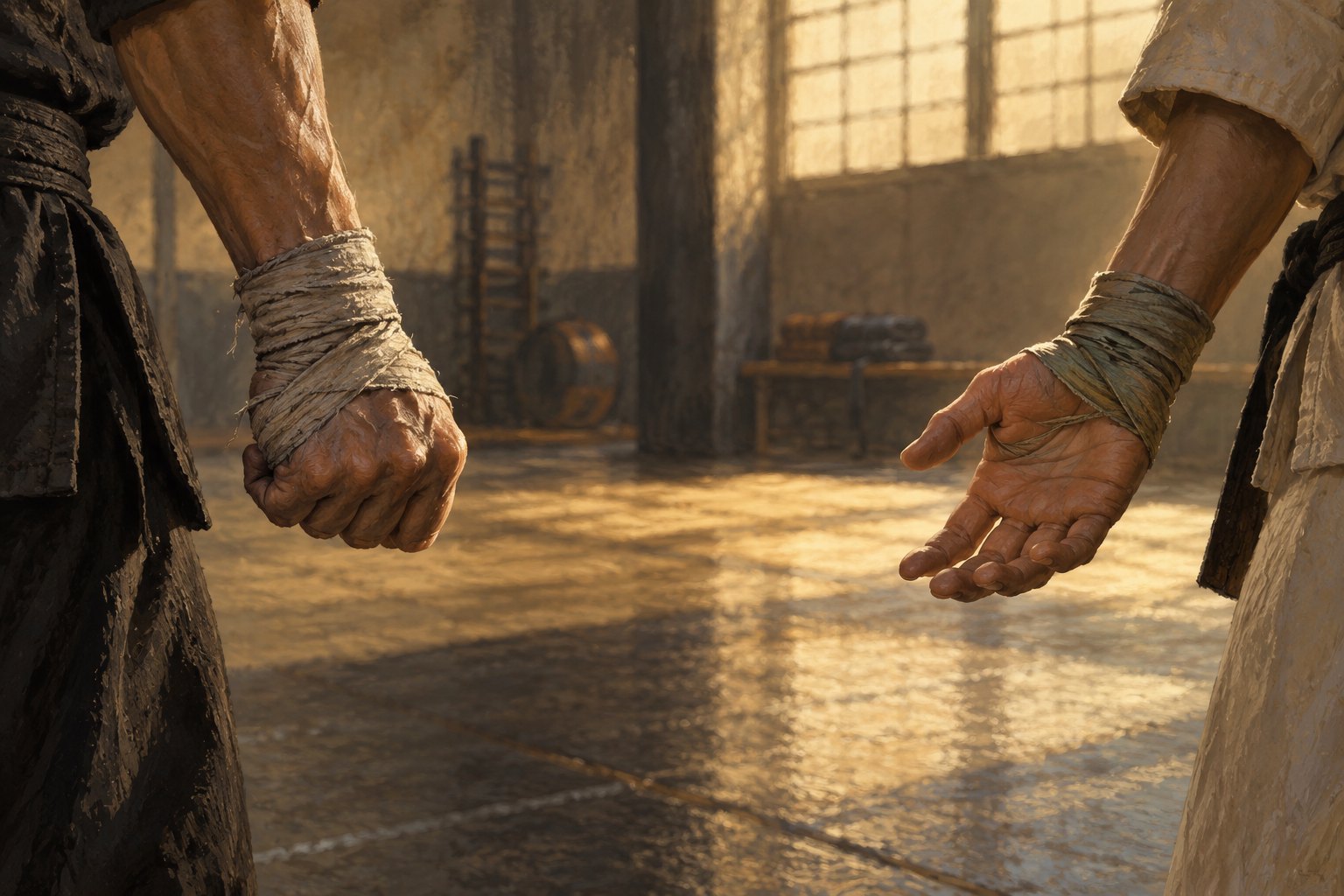
Consider the difference between a clenched fist and an open hand. Either gesture can suggest confidence or vulnerability depending on context. A film earns those meanings by establishing what a character wants and what that person fears losing. Choreography becomes especially rewarding when a later movement revises our understanding of an earlier one.
This is also why escalation needs more than bigger effects. If each confrontation merely increases the scale of destruction, the experience can become repetitive. A change in tactics, trust, or self-control can make a smaller encounter feel more consequential than a much louder one.
Humor needs characters who believe in their own stakes
My preference for an adaptation like Street Fighter would be a willingness to enjoy heightened personalities without treating their emotions as disposable. An extravagant world can accommodate sincere disappointment, competitive insecurity, and affection. Those feelings do not require a solemn tone; they require consistency.
Humor becomes dramatically useful when it reveals how a person handles pressure. Boasting can conceal uncertainty. Teasing can test a relationship. An awkward pause can reveal that someone has misjudged the room. By contrast, a joke that repeatedly interrupts consequences can make it harder to invest in the next confrontation.
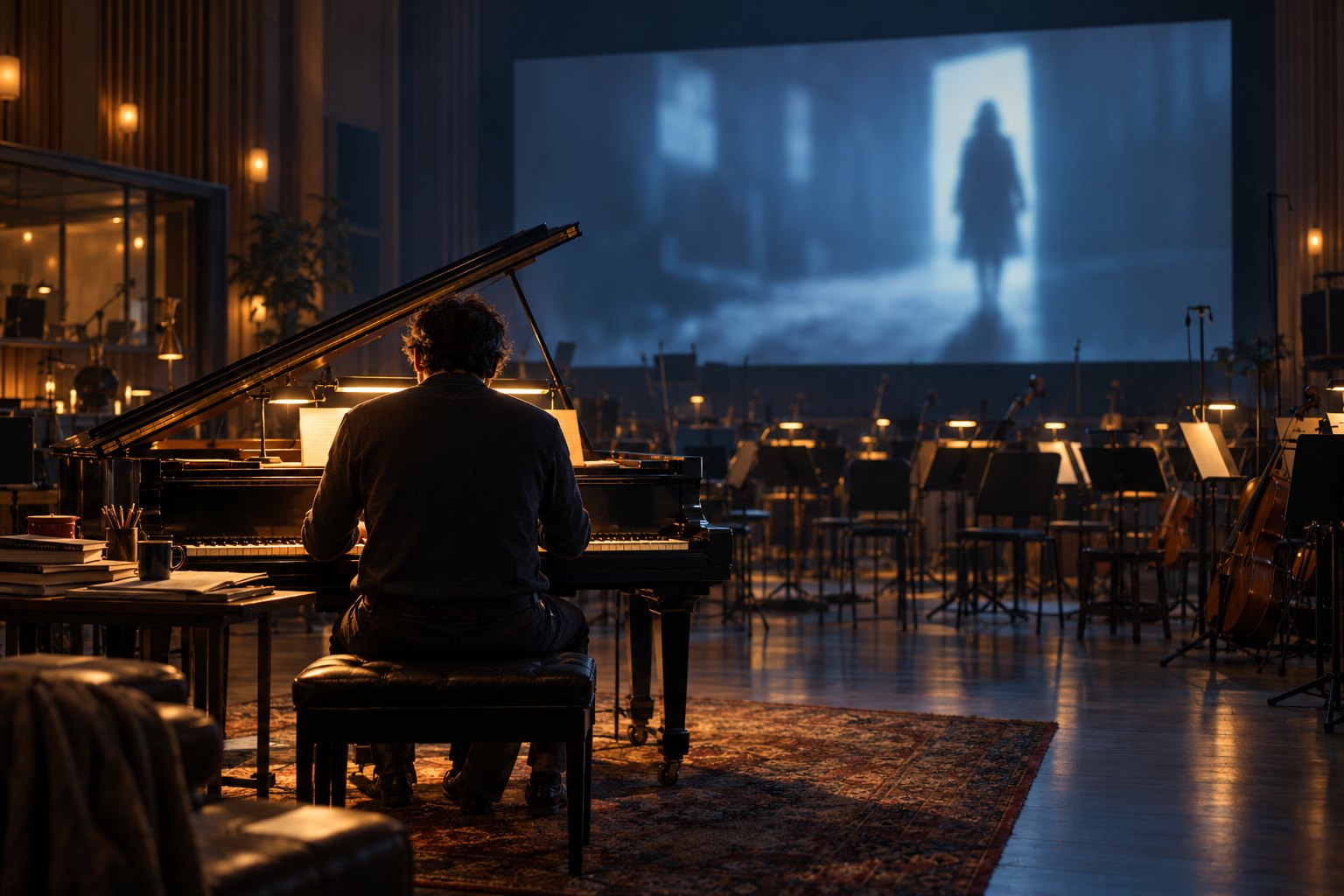
Music contributes to that balance. A cue can encourage us to celebrate a character’s entrance, question the confidence behind it, or notice an emotion the character is concealing. Our examination of the storytelling choices available to film composers explores why those decisions matter. Here, the critical test would be whether sound deepens the moment rather than simply announcing excitement.
Recognition is a beginning, not a complete dramatic payoff
For established fans, recognition can be an immediate pleasure. A familiar silhouette or gesture may carry associations that need little explanation. A newcomer, however, still needs a reason to care about the person making that gesture. Successful adaptation can serve both viewers by making the recognizable element perform a clear function within the scene.
That provides a practical way to assess fan service: would the moment still communicate something if you missed the reference? If it establishes temperament, changes a relationship, or resolves a conflict, recognition adds another layer. If its only function is to invite applause, its appeal depends more heavily on prior attachment.
The deeper question: what does winning prove?
The interpretive possibility that interests me most in Street Fighter is the gap between winning a confrontation and understanding oneself. Physical victory offers an obvious result. Emotional growth is harder to measure: accepting a limitation, changing a habit, or recognizing another person’s worth may matter more than dominance.
That is a critical lens, not a claim about the movie’s ending. It gives the first-reactions conversation a useful next step. Beyond whether Centineo and Koji look convincing or command attention, ask whether their characters’ choices make strength mean something specific. The most persuasive eventual verdict will explain what the fighting reveals—and why that revelation stays with the viewer after the spectacle ends.
Original content by this site's editorial team. Published: October 14, 2026 at 02:24:37 PDT (Los Angeles time)