The Hole, the thriller featuring Theo James, Hoyeon, and Christian Slater, has landed a summer 2027 release from Orion, according to The Hollywood Reporter. For viewers following the film, that is the central development: a release window now gives the project a place on the coming movie calendar.
The cast supplies an immediate reason for curiosity. What it cannot supply, on its own, is evidence that the suspense works. A compelling thriller needs more than recognizable faces and an ominous title; it needs people whose decisions make uncertainty feel consequential. That is the most useful lens through which to approach The Hole at this stage.
This is a spoiler-free release preview and critical commentary, not a review of the finished film. Its performances, dialogue, plot revelations, and ending remain outside the judgments made here.
What the Summer 2027 Announcement Establishes
The announcement connects three clear elements: The Hole, the named performers, and an Orion release planned for summer 2027. Readers deciding whether to follow the project have a straightforward starting point. It is an upcoming thriller with James, Hoyeon, and Slater attached, rather than a film for which this article offers a viewing recommendation.
A seasonal release window also has limits. It should not be treated as a worldwide availability calendar, a streaming appointment, or a guarantee that every territory will receive the film simultaneously. Those are separate practical questions. The useful takeaway here is the reported summer timing, without attaching unsupported viewing instructions to it.
Nor does the timing establish a particular scale or tone. Summer can accommodate many kinds of moviegoing experiences. Reading the calendar as proof of relentless action, broad commercial appeal, or a specific level of violence would confuse a distribution decision with the creative character of the film.
Theo James, Hoyeon, and Christian Slater: An Ensemble to Evaluate Together
It is tempting to approach a cast announcement as three separate promises. Fans of James may arrive with one expectation, viewers interested in Hoyeon with another, and Slater’s audience with a third. The eventual film has a more demanding job: making those individual attractions serve a coherent dramatic world.
My interest lies in how the performances will relate to one another. In suspense, a character’s apparent confidence means little until another person challenges it. Vulnerability becomes more complicated when someone else can exploit it. Even silence changes meaning depending on who is waiting for an answer.
These are criteria for assessing the film, not descriptions of its scenes. The release news does not justify assigning any of the named actors a moral category, predicting their relationships, or identifying a villain. Casting can invite assumptions, but those assumptions should remain open to revision.
That distinction also informs our discussion of how an ensemble takes shape in Narcs: learning who appears in a film starts a conversation about dramatic possibilities. It does not settle whether the characters will feel like people with competing needs.
Character Perspective Is the Real Test of Suspense
For a character-focused assessment of The Hole, the first question will be whose understanding organizes the experience. A thriller can place viewers close to someone while leaving that person’s judgment open to doubt. It can also give the audience information a character lacks, turning an ordinary decision into something agonizing to watch.
Neither approach is automatically superior. What matters is consistency: does the film establish a meaningful relationship between what we know, what a character knows, and what each new discovery costs? Withholding information is effective when it sharpens our attention. It becomes frustrating when it merely postpones an explanation.

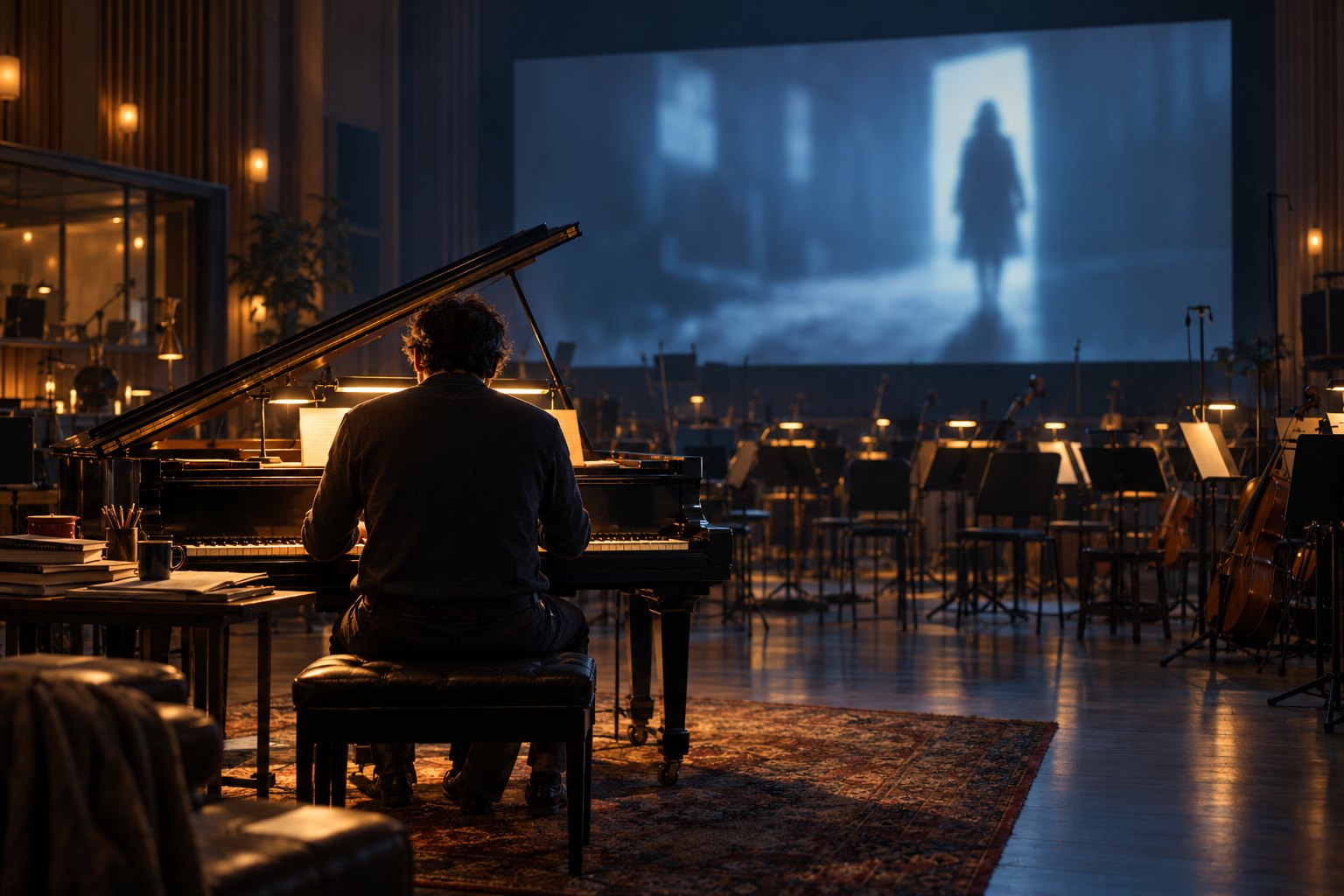
The illustration above represents competing perspectives; it does not reproduce a scene from The Hole. That distinction matters because an evocative image can make a hypothetical situation feel established. The same caution applies to imagining the movie from its title or cast.
When the film can be assessed, a useful character analysis will follow choices rather than simply catalog secrets. What does a person want before the danger becomes clear? Which belief keeps that person from recognizing a problem? Does new knowledge change their behavior? Those questions reveal whether suspense grows from characterization or merely happens around it.
What Would Make the Thriller Feel Substantial?
My standard for this kind of film is that its revelations should alter relationships, not simply rearrange a timeline. A surprise can explain an earlier event and still leave the emotional stakes untouched. The more rewarding discovery changes how we understand a decision, a debt, or an expression of concern.
Performance is crucial to that process. A reaction needs to be convincing when first encountered, then remain believable if later information gives it another meaning. That balance allows audiences to reconsider a character without feeling that the film has substituted a new personality for the old one.
Dialogue deserves the same scrutiny. A memorable line earns its place through the pressure surrounding it: who says it, who hears it, and what becomes impossible to say afterward. No dialogue is quoted here because there is no verified scene-level basis for selecting representative lines. Inventing a striking quotation would create a false impression of the movie’s voice.
Our commentary on letting character drive the suspense in Sleepover explores a related expectation. Atmosphere can attract attention, but a character’s reason for staying, trusting, refusing, or concealing something gives that atmosphere dramatic weight.
The Title Invites Interpretation, but the Film Must Earn It
The Hole is a title that encourages an audience to think about absence, depth, or something hidden from view. Those are associations with the words, not verified explanations of the story. Treating any one of them as the movie’s central metaphor would get ahead of the evidence.
Still, the title suggests a useful eventual critical question: does the film make what is missing as important as what is visible? An omission can carry emotional force when it shapes a person’s choices. Without that connection, obscurity risks becoming decoration.
For now, the summer 2027 announcement makes The Hole a project to keep in view. James, Hoyeon, and Slater provide the recognizable names; the finished film will have to provide the human stakes. The deeper test will be whether discovering the truth also changes our understanding of the people living with it.
Original content by this site's editorial team. Published: October 14, 2026 at 01:49:05 PDT (Los Angeles time)