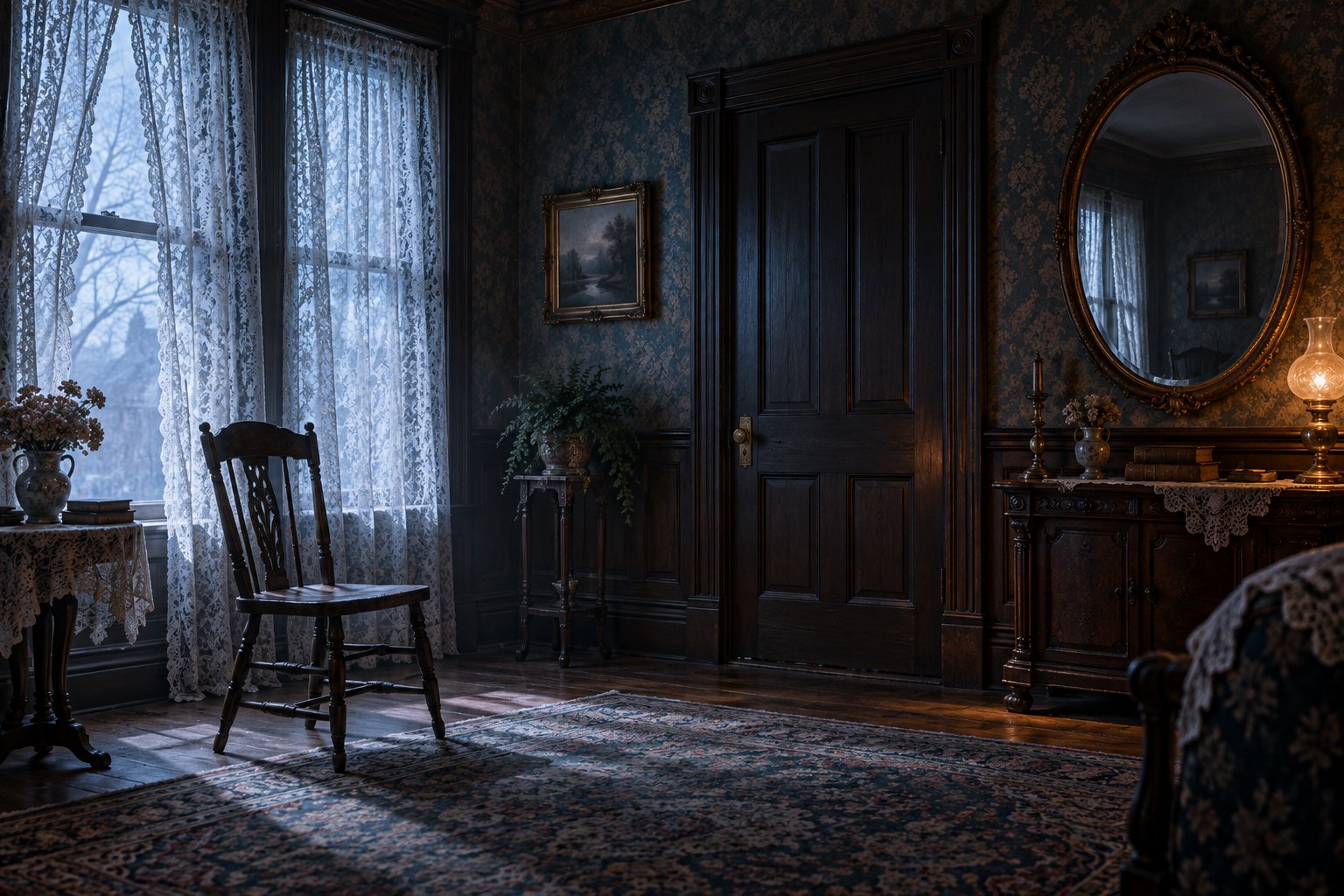
Monster: The Lizzie Borden Story has attracted the kind of negative reception that can make a viewing decision seem settled before the opening scene. Forbes has reported criticism from both professional reviewers and audiences. Yet the more useful question is what viewers want from this particular story: an investigation, a psychological portrait, or an extravagant nightmare built around a notorious name.
Those expectations lead to different judgments. A drama can be compulsively watchable while leaving its central character poorly understood. It can also invite sympathy for someone’s suffering without making that suffering a persuasive explanation for murder. The tension between those possibilities is the most interesting way into the Borden backlash.
Spoilers follow for the central relationships, murders, and trial. This is critical commentary on the drama’s documented narrative choices and published reception, rather than a firsthand assessment of every episode.
The negative reception needs a little precision
The Rotten Tomatoes listing checked for this article displayed a 50% critics’ score from six reviews and a 28% audience score from more than 50 ratings. That is an unfavorable audience response and a divided critical sample, rather than universal rejection. Neither figure identifies the particular scene, performance, or storytelling decision that disappointed a viewer. [Rotten Tomatoes season listing](https://www.rottentomatoes.com/tv/monster_2022/s04)
That distinction matters because a score compresses several possible complaints into one signal. Someone seeking historical restraint may reject the same excess that attracts a viewer interested in gothic melodrama. Another viewer may enjoy individual performances while finding the larger argument unconvincing. Agreement on a negative rating does not necessarily mean agreement about the problem.
Our discussion of audience scores and the appeal of horror makes a related distinction: enthusiasm, attendance, and artistic achievement answer different questions. For Borden, the worthwhile question is what the storytelling does with its disturbing material.
Lizzie’s perspective: suffering is a beginning, not a complete character
Netflix’s account of the adaptation describes Ella Beatty’s Lizzie as confined by a repressive household. It also explicitly separates the imagined character from the historical woman: Beatty calls the role a “very fictionalized version.” The series gives Lizzie a violent course of action, while the historical Borden was acquitted. [Netflix’s explanation of the adaptation](https://www.netflix.com/tudum/articles/monster-the-lizzie-borden-story-true-story)
From Lizzie’s perspective, that domestic confinement supplies an intelligible emotional starting point. A person denied privacy, affection, or meaningful choices may experience ordinary rooms as instruments of control. The challenge for a dramatization is to develop that experience into a particular consciousness. What does she misunderstand? What does she want that freedom alone would not provide? How does she justify a decision before she makes it?
My reservation about the premise is that accumulated cruelty can become a substitute for those questions. Showing more suffering does not automatically reveal more personality. If each indignity merely pushes the protagonist toward an already familiar destination, the character risks becoming a mechanism: pressure enters, violence comes out.
A stronger psychological reading preserves responsibility alongside sympathy. Lizzie’s pain can matter without making every subsequent act inevitable. The uncomfortable space between an understandable grievance and an indefensible response is where a character becomes more than an illustration of a theme.
Bridget and the difference between intimacy and liberation
TheWrap’s review describes Bridget, played by Vicky Krieps, as Lizzie’s confidante, lover, and eventual partner in rebellion. It also identifies a revealing household detail: Abby calls Bridget “Maggie,” using the previous maid’s name. These are elements of the dramatization, not proof of the historical women’s relationship. [TheWrap’s review](https://www.thewrap.com/creative-content/reviews/monster-the-lizzie-borden-story-netflix-ella-beatty/)
The naming detail is particularly useful for character analysis. Calling a worker by another person’s name reduces her individuality to a job that needs doing. From Bridget’s position, recognition itself can therefore carry emotional weight. Being seen by Lizzie potentially offers something the household withholds.
But mutual recognition is not the same as mutual freedom. An intimate relationship can widen someone’s world; it can also create a private system in which destructive ideas go unchallenged. The crucial issue is whether these women help each other imagine alternatives or make one increasingly extreme alternative feel like the only possible future.
That is a richer dramatic question than whether their connection makes the violence more provocative. Desire should reveal differences between them: competing fears, unequal risks, separate expectations of life afterward. Treating them as a single expression of female anger would flatten the very individuality that their relationship appears to promise.
The parents must remain people for the violence to retain its weight
A revenge narrative becomes easy to follow when the people targeted are presented as relentlessly cruel. It also becomes morally easier to consume. Once an audience is encouraged to regard a character as nothing but an obstacle, removing that character can feel like solving a problem.
For a story built around real deaths, that convenience deserves scrutiny. Character complexity does not require excusing abuse or distributing sympathy equally. It requires allowing the victims’ existence to exceed their usefulness in explaining someone else’s actions.
This is where the treatment of Lizzie’s perspective becomes decisive. Understanding how she regards her parents is different from asking the audience to accept her view as the drama’s final moral judgment. A productive gap between those positions would let viewers recognize her confinement while remaining troubled by her response.
The courtroom turns identity into a performance

Netflix explains that the series brings actress Nance O’Neil into Lizzie’s trial preparation, moving a friendship that historically began later. Beatty describes Lizzie’s task during the trial as “staying committed to that story.” That is an actor’s explanation of the character, rather than dialogue spoken in the show. [Netflix’s account of the trial storyline](https://www.netflix.com/tudum/articles/monster-the-lizzie-borden-story-true-story)
As a dramatic idea, this makes the courtroom an extension of the household. Both environments reward an acceptable performance of femininity. The character who experiences those expectations as confinement can learn to use them as protection.
The troubling implication is that public credibility may depend on how convincingly a person occupies a familiar role. A composed appearance can become evidence in the minds of observers even when it proves very little. Our analysis of conviction and evidence in A Beautiful Mind explores a related problem: a coherent explanation can feel persuasive before it has earned belief.
What the backlash ultimately asks of Monster
The most valuable interpretation of The Lizzie Borden Story concerns the stories people build around violence: the explanation a character needs, the role an audience recognizes, and the narrative a television series finds marketable. Those stories can illuminate an event while also making it easier to misunderstand.
My critical standard here is straightforward. Sensationalism earns its place when it exposes a contradiction that quieter storytelling would conceal. It becomes limiting when it supplies excitement where a character’s difficult, specific interior life should be.
The negative reception is a reason to approach this series with measured expectations. The deeper test is whether its Lizzie remains a person whose choices demand examination, or becomes a striking image of rage that the surrounding spectacle has already explained away.
Original content by this site's editorial team. Published: September 18, 2026 at 04:48:56 PDT (Los Angeles time)