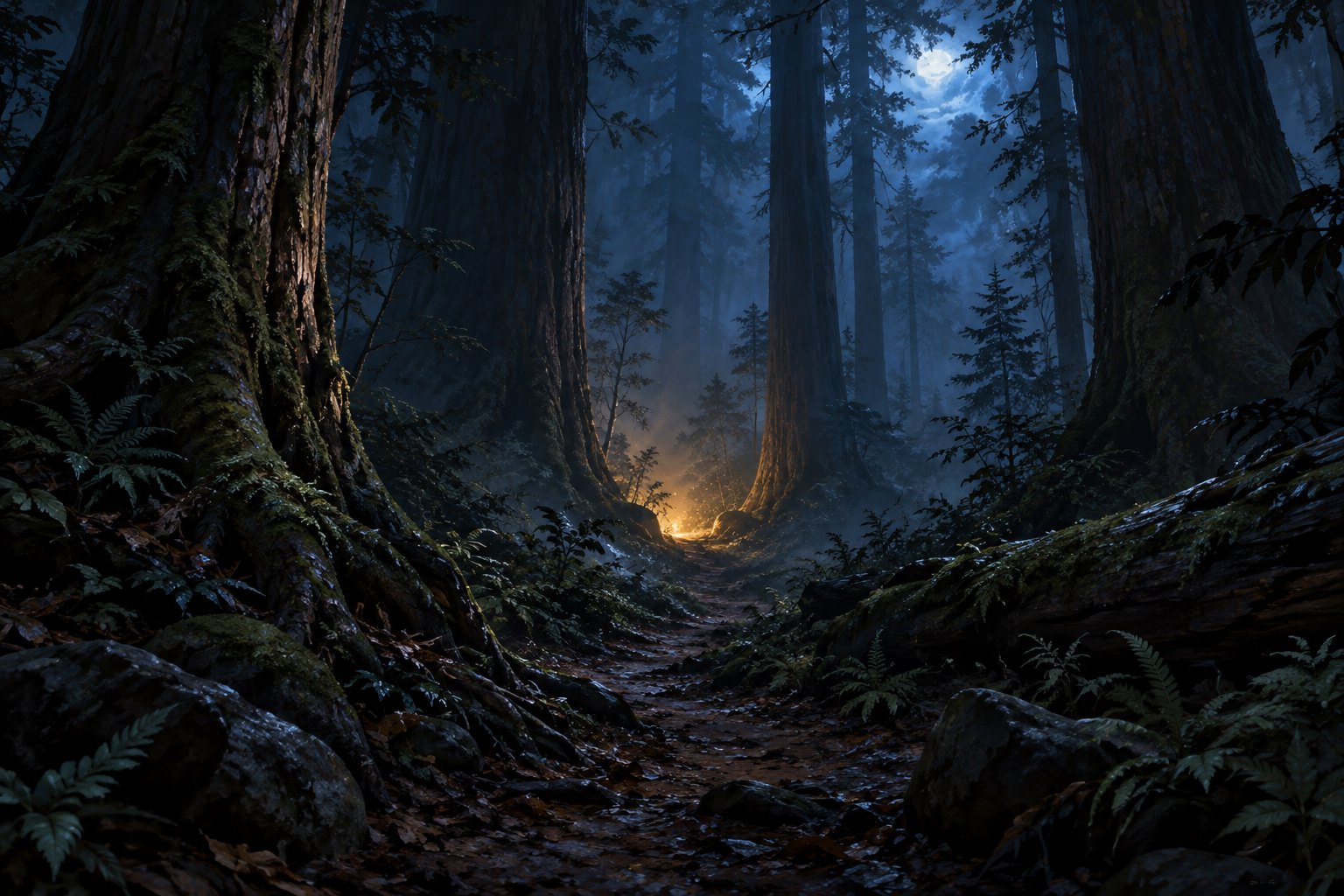
99 Nights in the Forest is in development as a movie with Josh Cooley and Sam Raimi involved, according to Deadline. That is the central news—and the starting point for an intriguing storytelling question. How can a film make an extended stretch of danger feel increasingly personal, rather than simply longer?
The title practically invites that question. Its number suggests duration; its setting suggests an environment that can conceal more than it reveals. Neither tells us what the finished movie will actually show. But together they establish an appealing dramatic possibility: a story in which time changes how people understand their surroundings, their companions, and themselves.
This is a spoiler-free development commentary, not a review of a completed film. There is no basis here for assessing performances, quoting character dialogue, or explaining an ending. The useful critical task at this stage is to identify what could make this particular project work, while keeping those expectations distinct from its reported development.
What the announcement establishes
The reported connection between 99 Nights in the Forest, Cooley, and Raimi gives readers a concrete project to follow. It does not, by itself, establish what the movie will feel like. A creative team’s involvement cannot tell us the balance of suspense and humor, the intended audience, or the emotional weight of the eventual story.
Likewise, development should not be mistaken for a release commitment. Readers looking for a viewing date, a cast to follow, or an authoritative account of the movie’s plot should distinguish those questions from the narrower announcement that a film is in the works. An exciting title can arrive well before there is enough finished material to judge.
That distinction matters because expectations can harden surprisingly quickly. Once audiences attach a particular tone to a filmmaker’s name, every later detail risks being measured against an imagined movie. Cooley and Raimi make this announcement worth attention; the film’s own choices will eventually need to justify that attention.
The number in the title creates a dramatic problem
Read simply as a title, 99 Nights in the Forest promises an encounter with time. One frightening night can sustain urgency through immediate uncertainty. A much longer span asks a different question: what happens after the unfamiliar begins to become routine?
My view is that repetition would be the project’s most interesting potential resource. A recurring sound, route, or task can acquire a new meaning once the audience understands what a character expects. Suspense then comes from noticing a deviation. Familiarity supplies the pattern that makes a small change alarming.
The challenge would be making that repetition accumulate consequences. If successive stretches merely deliver fresh obstacles, the structure could become episodic. A stronger approach would allow earlier decisions to alter later possibilities. Experience should leave marks on judgment, relationships, and confidence.
This is a critical preference, not a description of the screenplay. The title does not establish a literal night-by-night structure. Still, whatever form the movie takes, the implied duration creates an expectation that endurance will mean something beyond reaching the next scene.
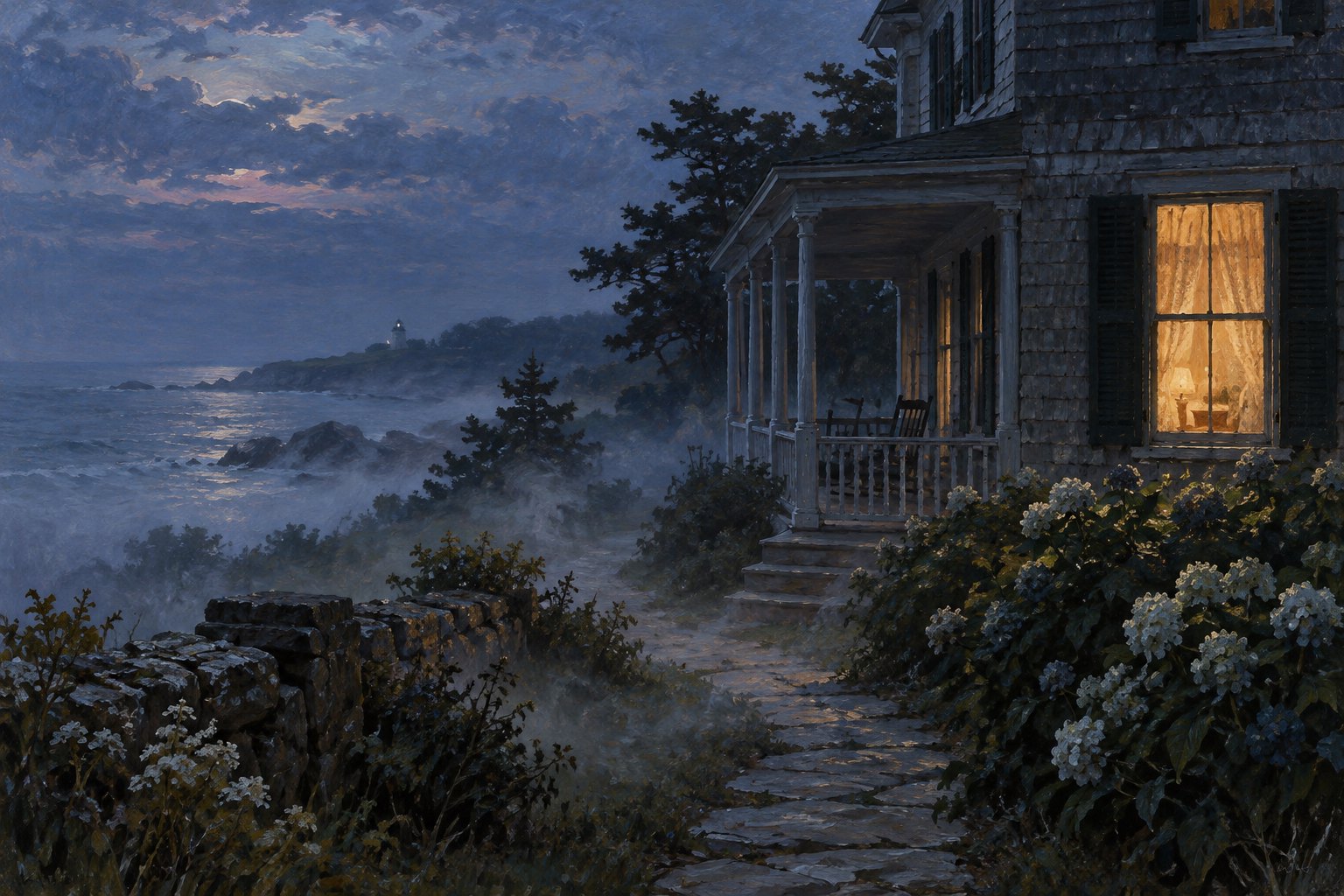
A forest becomes frightening through someone’s eyes
A dark woodland is an evocative image, but atmosphere alone cannot explain why a particular moment matters. Character perspective supplies that explanation. The audience needs to understand what someone is trying to perceive, what they believe they know, and what they fear they have misunderstood.
Consider the general mechanics of a restricted viewpoint. A wide shot can show a landscape clearly while leaving a person emotionally remote. A tighter view can withhold information and make the act of looking feel difficult. Neither technique is inherently better; their value depends on whose uncertainty the scene asks us to share.
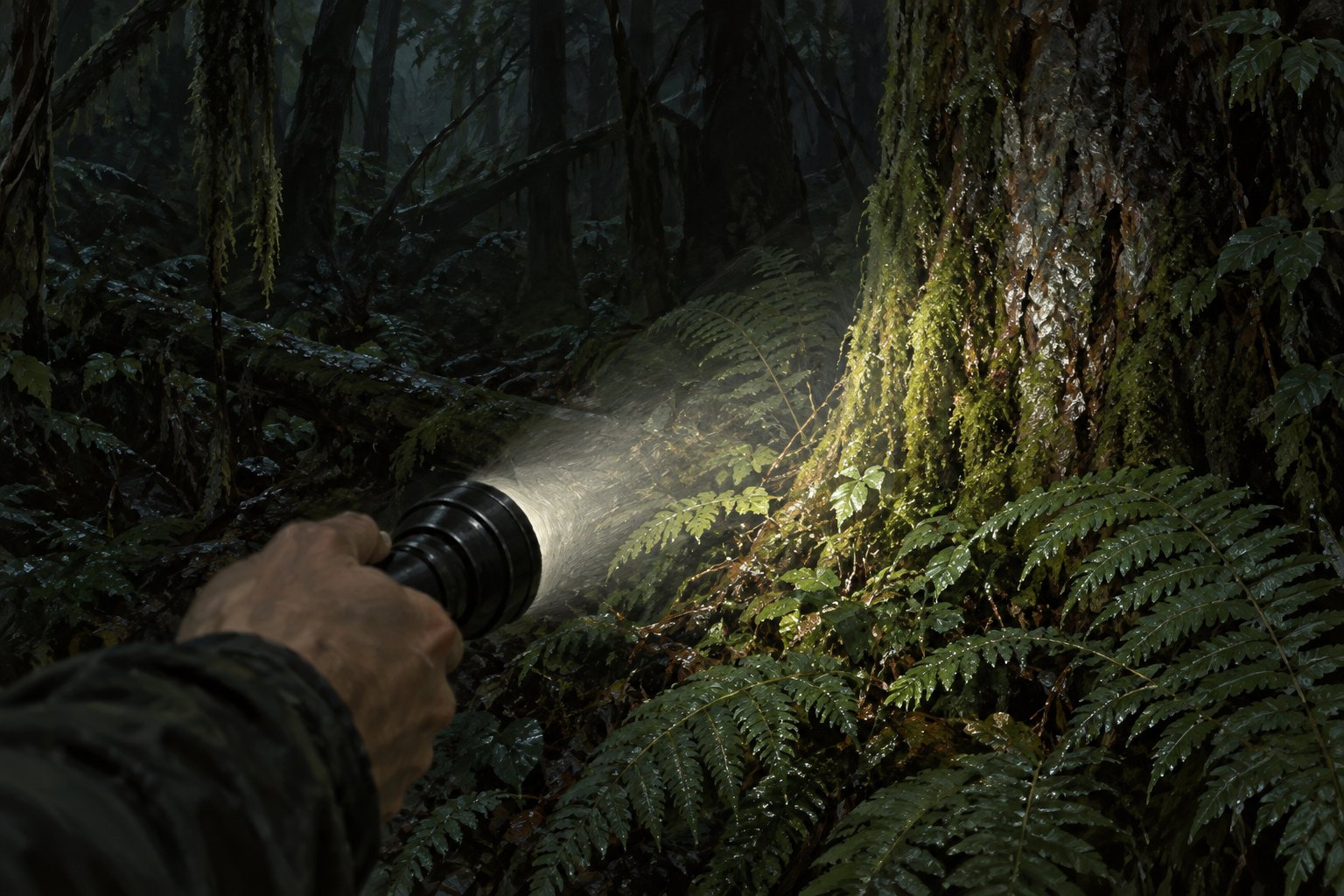
For this project, I would be especially interested in whether the eventual visual storytelling gives unfamiliar surroundings a comprehensible geography. Viewers do not need a complete map. They do need enough orientation to recognize when a decision carries risk. Confusion can communicate panic, but constant confusion makes it harder to appreciate a character’s choices.
Our discussion of how locations contribute to screen storytelling addresses a related issue: a place gains dramatic force through the actions it enables and obstructs. Here, the forest would be most compelling if its presentation developed alongside the people experiencing it.
Character matters most when confidence changes
There are no verified character arcs to analyze here. But a useful standard for the eventual movie is already available: does pressure reveal a person’s existing qualities, and does prolonged pressure change them?
Those are different dramatic achievements. A decisive response can establish courage in a moment. A longer story can examine whether that courage becomes recklessness, whether caution becomes withdrawal, or whether apparent certainty proves difficult to maintain. Such developments require behavior the audience can track.
If the movie follows multiple central characters, differences in judgment could become as important as differences in temperament. People can agree on a goal while disagreeing about what counts as evidence or an acceptable risk. That creates conflict with substance, because the disagreement shapes what happens next.
These are possibilities rather than announced story elements. They explain why a character-focused approach would interest me more than a sequence built entirely around escalating spectacle. As our Vested commentary on the human demands of horror explores, an ominous premise becomes emotionally persuasive through the people who inhabit it.
What future footage should help viewers assess
When substantial footage becomes available, three questions will offer a better guide than counting striking images. First, does it establish a recognizable point of view? Second, can we understand a consequential choice? Third, does the tone make those choices feel significant?
A preview need not reveal the larger story to answer any of these. A brief exchange can establish a relationship. An interrupted action can suggest a limitation. A reaction can give an otherwise ordinary space emotional meaning. Those details would offer firmer grounds for enthusiasm than the development announcement alone.
Dialogue deserves the same patience. Memorable lines matter because of who says them, what they cost, and how later events change their meaning. Until actual dialogue is available in context, assigning catchphrases or imagined speeches to this movie would substitute invention for criticism.
The deeper possibility: endurance that changes perception
The most promising interpretation of the title, to my mind, concerns the difference between passing time and being changed by it. Repeated nights could make a setting feel more familiar while making a character less certain. That tension offers a rich possibility: knowledge might grow without bringing comfort.
Whether Cooley and Raimi’s project pursues that idea remains to be seen. For now, 99 Nights in the Forest has an evocative title and a reported development team worth following. Its eventual dramatic achievement will depend on giving duration a human consequence—so that reaching another morning changes what the audience understands about the person who reaches it.
Original content by this site's editorial team. Published: September 17, 2026 at 13:38:55 PDT (Los Angeles time)