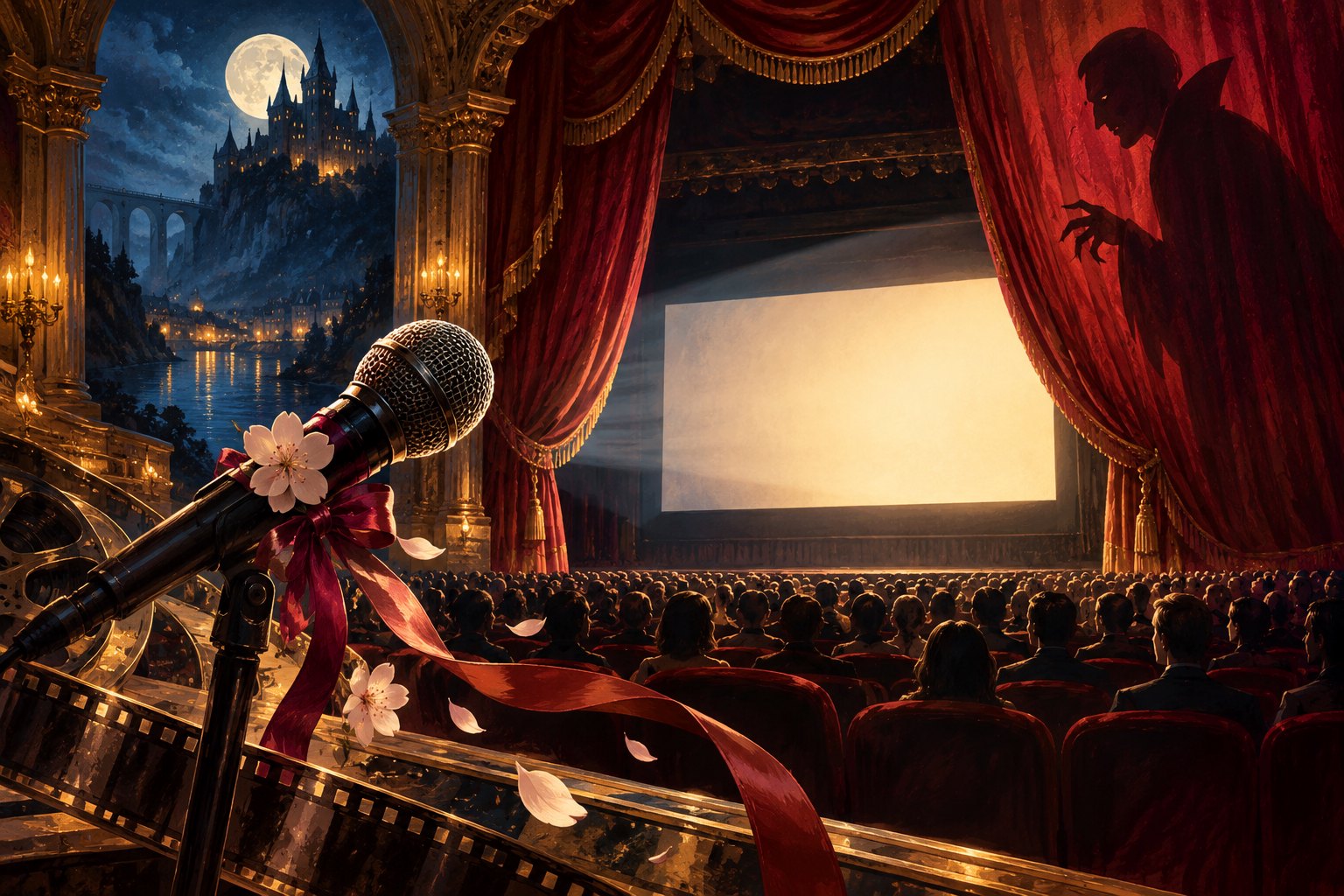
J-pop, opera, Dracula, and film festivals make an intriguing cultural combination because each asks an audience to surrender to a different kind of performance. A singer commands attention through sound and movement. A vampire makes attention itself feel dangerous. A festival places unfamiliar work before viewers who must decide what deserves their trust.
The Santa Barbara Independent brings these subjects together in its ON Culture coverage. For film lovers, their most useful connection is a question of perspective: when a performance overwhelms us, whose experience are we actually sharing? That question can turn an entertaining night into a more revealing encounter with a movie.
This is a critical exploration of that connection, rather than a review of a particular Dracula adaptation or a schedule of festival screenings. No specific production, cast, or screening date is established here. The emphasis is on what to watch for when music, theatricality, horror, and discovery meet on screen.
J-Pop on Screen: Look for the Person Inside the Performance
A productive way to approach a filmed pop performance is to distinguish the performer’s command of the stage from the camera’s command of our attention. Those powers can complement each other, but they are not identical. A performer may sustain an expressive gesture while an edit redirects us toward the crowd, a lighting effect, or another member of the ensemble.
For J-pop-related viewing, that distinction offers a more useful starting point than treating the music as a single visual style. Ask what the filmmaking allows you to notice. Does a sustained shot reveal physical effort? Does a close-up preserve a fleeting change of expression? Does the editing help you understand the choreography, or primarily communicate excitement?
My preference is for filmmaking that gives performance enough time to become an action, with a beginning, a risk, and a result. Fast cutting can be exhilarating, but constant emphasis makes it difficult to distinguish an emotional turning point from another attractive image.
The same principle matters when a fictional story centers on a singer. Applause tells us that the audience inside the film is impressed. It does not, by itself, tell us what the performance costs the character. Look at the moments surrounding the song: hesitation before an entrance, an unanswered glance, or the difference between public confidence and private behavior. These are examples of details to watch for, not descriptions of a particular film.
Opera and Cinema: When a Voice Changes the Meaning of a Scene
Opera offers another way to think about screen performance: the emotional event can reside in how something is expressed, rather than in how quickly the plot advances. A character may remain caught in a decision while the music gives that uncertainty shape and duration.
For a movie viewer, the interesting question is what the camera contributes. A wide composition can preserve the distance between two people. A close-up can make an apparently commanding declaration feel vulnerable. Neither approach is automatically more cinematic; its value depends on what the scene needs us to understand.
Consider the difference between hearing an assertion and believing it. A character may declare devotion while another person’s response introduces doubt. If the camera attends only to the singer, the statement can dominate the scene. If it lets us study the listener, the relationship becomes more complicated.
This is where character-focused film analysis earns its place. Instead of asking only whether a performance is impressive, ask whether the person performing understands the situation correctly. Confidence, sincerity, and wisdom are separate qualities. A convincing interpretation can allow us to feel all three pulling in different directions.
Dracula: Follow the Person Who Has Something to Lose
Dracula brings the problem of commanding attention into darker territory. The useful critical question is not simply whether the vampire looks frightening or seductive. It is whether the film gives comparable attention to the people living under that presence.
Different adaptations make different choices, so a familiar name should never substitute for examining the version in front of you. Before judging its romance, menace, or tragedy, identify whose desires organize the story. Who receives private moments? Whose account of an encounter seems trustworthy? Who gets to make a consequential decision?
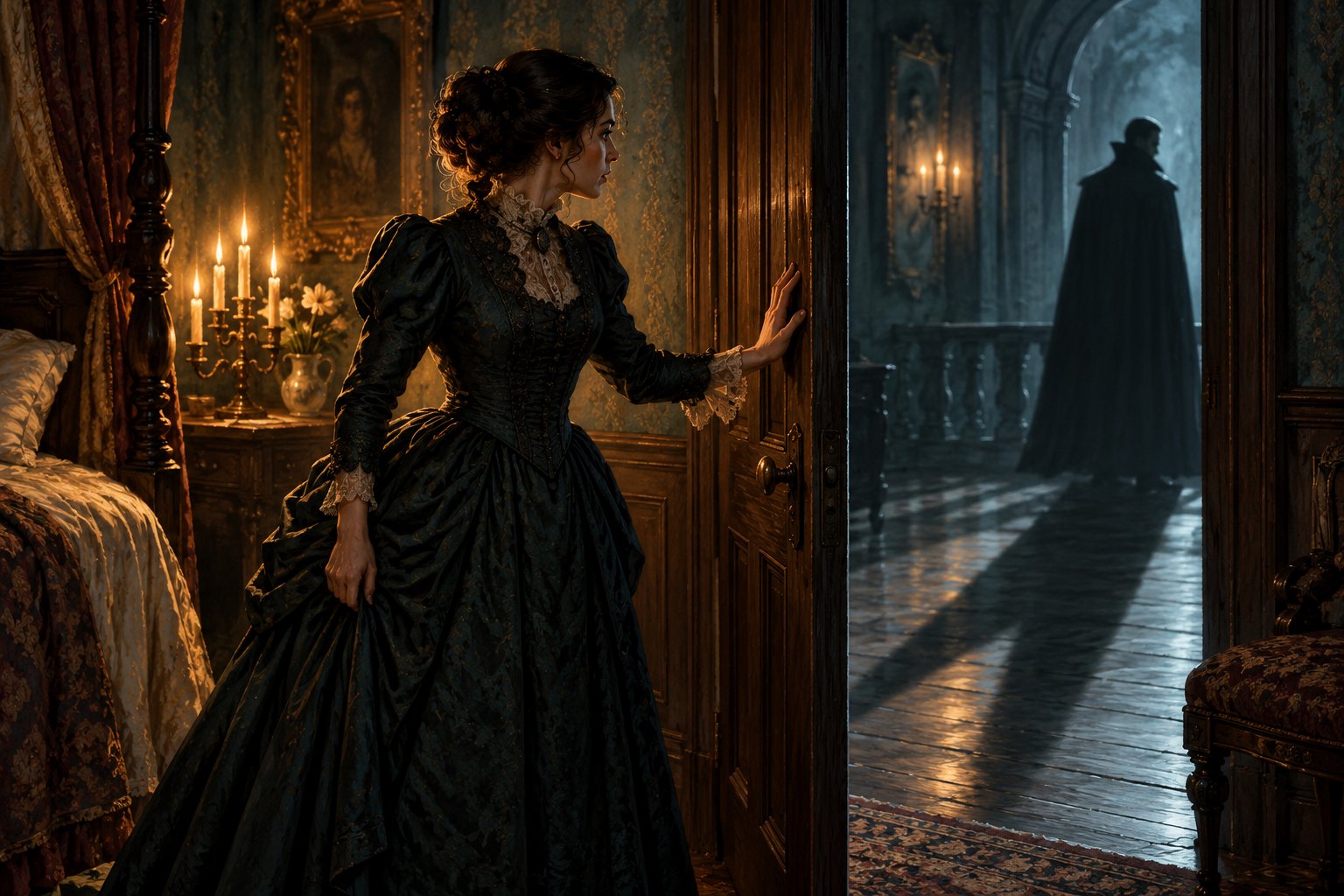
My strongest test for a Dracula interpretation is whether its threatened characters remain people when the vampire is absent. Do they have loyalties, competing wishes, or judgments that matter beyond their usefulness to his story? A character who exists only to be desired or endangered gives the film fewer emotional possibilities than someone whose life we can imagine continuing elsewhere.
That distinction also sharpens the treatment of consent. Attraction is an emotional response; permission is a decision. A film can deliberately complicate their relationship, but criticism should not casually collapse them. Beautiful lighting and persuasive music may explain why an encounter feels romantic without settling what happens between the characters.
For a related examination of affection and control, our analysis of the horror in being loved too much considers how devotion can become a claim of ownership. The useful connection is a question, not an equivalence: does the person being loved retain the freedom to refuse?
Film Festivals: Let Discovery Come Before Judgment
Film festivals add a different influence to the viewing experience: expectation. A movie arrives within a program, alongside other films, and often surrounded by conversation. That context can encourage curiosity. It can also tempt us to decide what a work means before we have watched how it behaves.
A practical defense is to separate your response into three stages. First, identify what the film actually shows. Then consider how its formal choices direct your attention. Only afterward decide whether those choices succeed. This keeps an ambitious subject from becoming automatic evidence of accomplished filmmaking.
Our discussion of La Bola Negra beyond its festival recognition approaches a related distinction between a film’s reception and its dramatic substance. Recognition can prompt a viewing; the work still needs an independent response.
When choosing among screenings, check the individual listing for format, language, subtitles, runtime, and any accompanying discussion. A concert film, a captured stage production, and a narrative feature offer different experiences even when their subjects overlap. Knowing the format helps you arrive with useful expectations.
The Deeper Connection: Who Gets to Answer Back?
Across this cultural mix, the most revealing distinction is between commanding an audience and allowing another person a voice. A spectacular performance can dominate a scene. A richer film also makes room for the person watching, listening, resisting, or misunderstanding it.
That is the perspective worth carrying from J-pop to opera, from Dracula to an unfamiliar festival selection. Notice the central attraction, then look toward the edge of its influence. Who changes because of it? Who pays for it? Who can walk away?
For me, spectacle becomes dramatically meaningful when it alters a relationship we understand. The lasting image is not always the grand entrance or the dazzling performance. Sometimes it is the answering look—the moment another character reveals that the story belongs to them, too.
Original content by this site's editorial team. Published: November 1, 2026 at 14:26:45 PST (Los Angeles time)