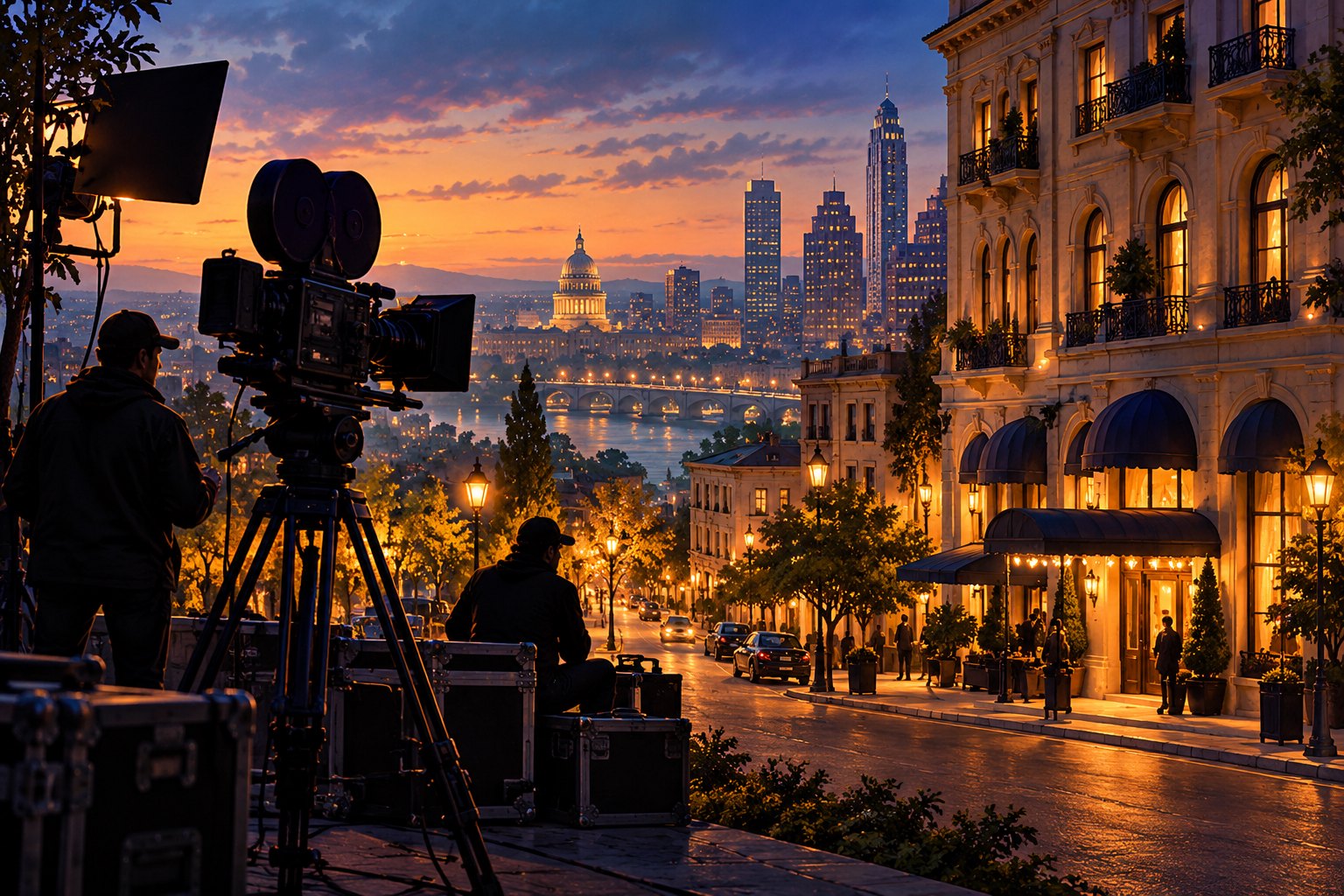
Hotel and travel industry groups are backing a U.S. film incentive on the argument that filmmaking can help attract tourists, according to Variety. Their support brings a hospitality perspective to a question usually discussed in terms of production jobs and entertainment spending: what might a community gain after the cameras leave?
The proposition is appealing. A production needs somewhere to work and, potentially, somewhere to house its people. A finished movie can then give audiences a reason to remember a place. But these are separate opportunities, with different conditions for success. Supporting an incentive does not establish that it has become law, and anticipating tourism does not demonstrate that additional trips will materialize.
For movie lovers, the most interesting part of this debate is also its least predictable element. A location becomes meaningful through the story unfolding there. The tourism argument therefore depends partly on something that no incentive can guarantee: an audience caring enough to carry a fictional experience into the real world.
Why the Hospitality Industry Has a Stake
Consider the basic business logic. A production bringing people into an area may need accommodation, meals, transportation, and other services. For a hotel, that potential demand has value even before anyone knows whether the finished film will connect with audiences. This is the immediate commercial rationale for hospitality businesses to take an interest in filmmaking.
The tourism proposition operates on a longer timeline. It imagines viewers discovering a place through a movie or television show and later choosing to visit. That requires several additional steps: the work must reach an audience, the location must register, interested viewers must identify it, and some must have the means and motivation to travel.
Those distinctions matter when assessing the endorsement. Hotel and travel groups have an understandable interest in policies that could expand their customer base. Their support establishes a business constituency for the idea. It does not, by itself, settle whether the public cost would be justified.
Production Spending and Screen Tourism Need Separate Evidence
Money spent while filming and money spent because someone watched the finished work should be evaluated separately. Combining them into one broad promise makes the argument sound simpler than it is.
Production-related activity can be examined through records such as local purchases and accommodation bookings. Even then, an evaluation needs to ask how much activity the incentive actually caused. A production that would have filmed in the same place anyway presents a different case from one persuaded to bring genuinely additional work.
Tourism is harder to attribute. Someone might recognize a movie location while already visiting relatives nearby. Another traveler might choose an entire vacation around that location. Both are encounters with screen culture, but only the second clearly describes a trip motivated by it. Counting both as equivalent would obscure the policy question.
A persuasive assessment would distinguish interest from behavior, visits from overnight stays, and gross spending from benefits remaining after public costs. These are standards for evaluating the tourism claim, rather than findings about this particular incentive.
The Character Makes the Location Memorable
From a film criticism perspective, scenery acquires force through a character's experience. A hotel corridor can suggest freedom to someone escaping an unhappy home and confinement to someone afraid to leave a room. A town square can become a place of belonging, exposure, or rejection depending on who crosses it and what awaits them.
That is why an attractive establishing shot and an emotionally memorable setting are different achievements. The first tells us what a place looks like. The second teaches us what being there might feel like. Performance, framing, sound, and editing work together to create that impression.
My view is that the strongest artistic basis for screen tourism lies in this emotional specificity. Viewers may want to stand where a character made a consequential choice, rather than simply locate the prettiest background. Yet the meaning comes from the entire scene; reproducing its camera angle cannot reproduce its dramatic circumstances.
Our discussion of how movie memorabilia connects physical objects to character offers a related way of thinking about this attachment. A familiar object or location becomes compelling because of the human experience audiences associate with it.
Where a Story Happens Is Not Necessarily Where It Was Filmed
The tourism argument also needs to account for the difference between fictional geography and production geography. A story's named destination, the place where its exterior scenes were photographed, and the facilities used for its interiors can be different locations. Viewers do not automatically know how those elements fit together.
That creates a practical challenge. A community might host production work without becoming recognizable on screen. Conversely, a destination named in the story might receive audience attention even when the production work took place elsewhere. These possibilities should be considered when connecting an incentive to prospective tourism benefits.
For viewers planning a visit, the useful distinction is straightforward: identify whether the attraction is a filming site, a setting represented in the story, or a separate exhibition celebrating the production. Each can be worthwhile, but each offers a different experience.

What a Credible Tourism Case Should Address
Supporters of film incentives can make their argument more useful by explaining how anticipated benefits would be tested. Readers following this debate should look for answers to a few concrete questions:
- Additional activity: What evidence would show that the incentive attracted work or visitors who otherwise would not have come?
- Public cost: How would the expense of the incentive be compared with the benefits claimed?
- Local participation: Would independent businesses and local workers have meaningful opportunities to benefit?
- Visitor access: Could interested travelers safely and legally visit the locations being promoted?
- Duration: Would benefits persist beyond a production schedule or a brief burst of audience attention?
Access deserves particular attention. A recognizable house might remain a private home. A picturesque street might be a residential neighborhood with limited capacity for visitors. Tourism planning should account for the people who use these places every day, including those whose businesses have no direct connection to the film.
The question is therefore larger than whether fans will arrive. It includes what their arrival would mean for residents, public spaces, and the experience that made the destination appealing.
Good Movies Need Room to Complicate the Picture
There is an artistic tension beneath the commercial optimism. A tourism campaign generally wants a destination to look inviting. A filmmaker may need to show that same place as lonely, unequal, frightening, or suffocating. Both interests can coexist, but they should not be confused.
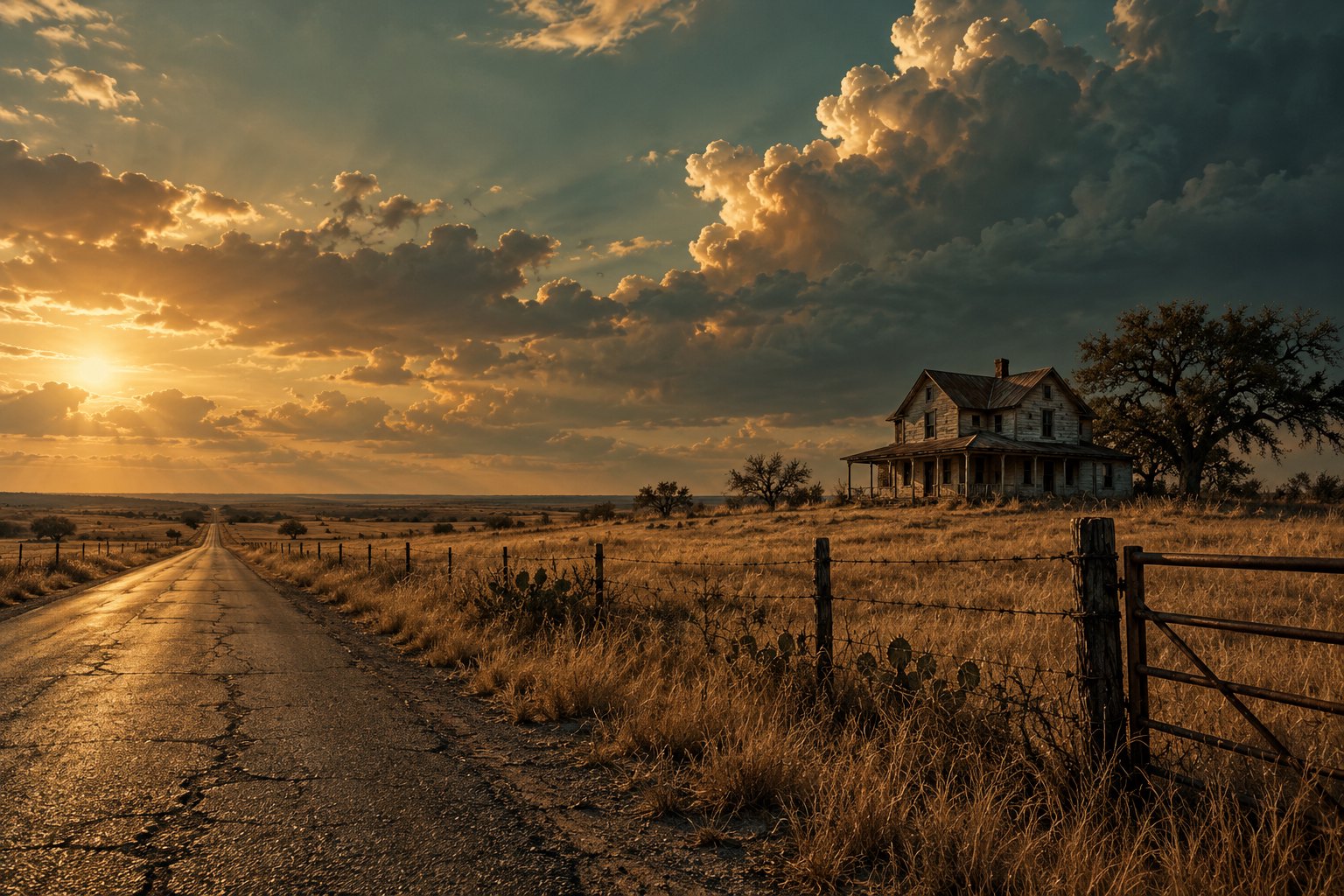
Our examination of place and atmosphere in Texas horror illustrates why regional identity deserves a richer critical vocabulary than scenic appeal. Landscapes can create unease and reveal social pressures. Their dramatic value does not depend on making viewers want to book a room.
The hotel and travel industry's support makes the economic conversation around filmmaking broader. The tourism argument deserves consideration, alongside careful evidence about costs and additional benefits. As an editorial judgment, however, tourism potential should remain one possible outcome of supporting film culture—not the standard by which a story earns its legitimacy.
A memorable movie gives a place meaning through the people it asks us to understand. Sometimes that meaning may inspire a journey. Sometimes it changes how we see the place where we already live. Any serious account of cinema's value should leave room for both.
Original content by this site's editorial team. Published: October 31, 2026 at 07:13:47 PDT (Los Angeles time)