The Halloween Movie Cookbook sits at an appealing intersection: the comfort of a meal and the deliberate discomfort of a scary movie. The attraction is easy to understand. A Halloween screening can become more memorable when the evening has its own flavors, textures, and small rituals, especially when the food helps establish a mood before the opening scene.
But a good pairing needs more than a spooky name. The useful question is whether bringing the kitchen into movie night deepens the experience or leaves the host missing half the film. This is a spoiler-free appraisal of that food-and-fright premise, rather than a hands-on verdict on the book’s recipes. Specific dishes, cooking results, and hidden references require direct examination before they deserve a recommendation.
Why comfort belongs beside a good scare
My favorite argument for a Halloween movie cookbook is the contrast it creates. Food makes a room feel welcoming. Horror makes us question whether a welcoming room can be trusted. Put those sensations together, and an ordinary evening gains a pleasing contradiction: you can settle into your chair while the film steadily removes that sense of security.
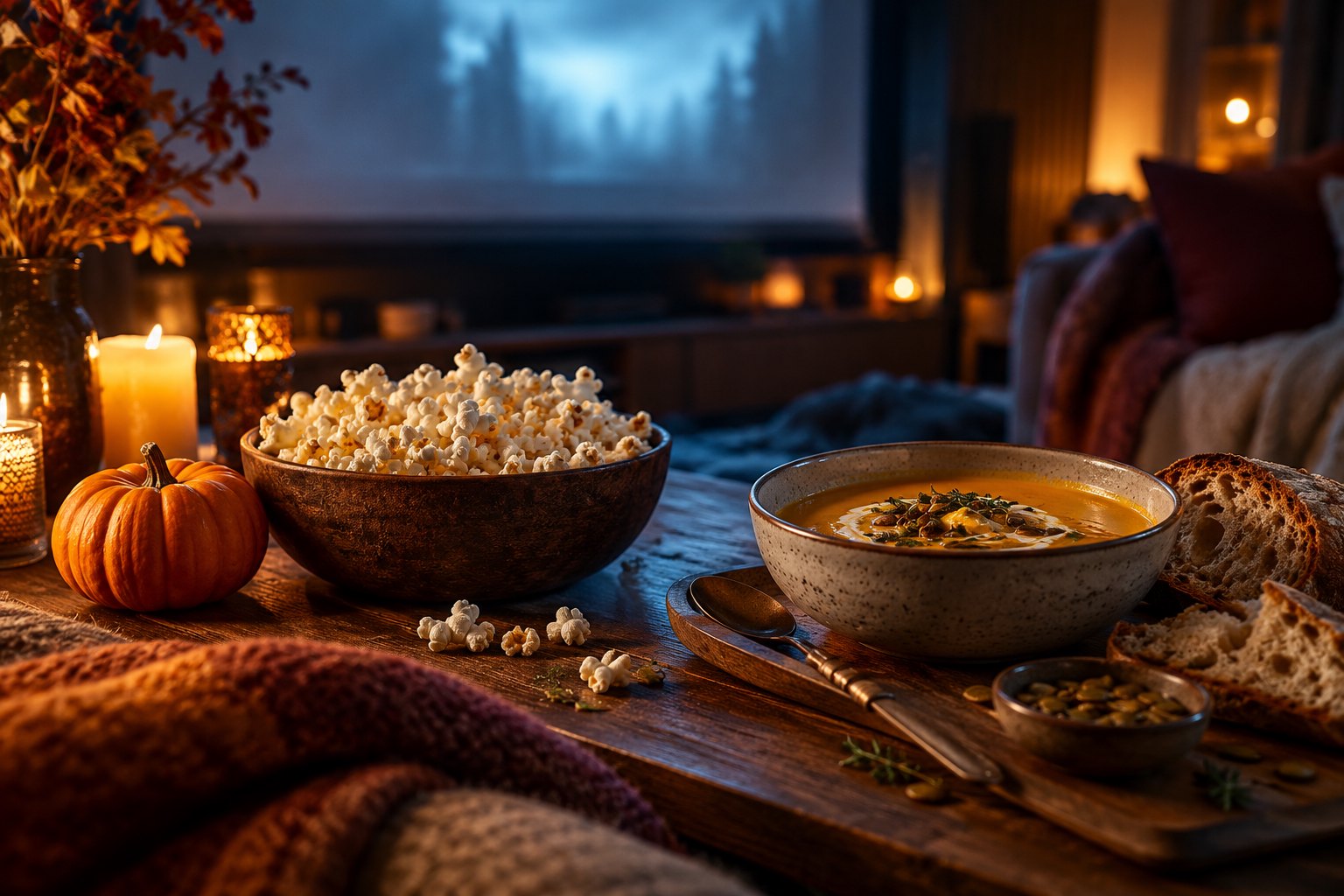
That contrast does not require elaborate decoration. A warm bowl, a familiar snack, or a shared plate can establish the audience’s comfort without competing with the screen. The experience becomes especially interesting when the movie turns ordinary domestic spaces into places of uncertainty. The viewer has something reassuring within reach while watching characters lose their own reassurance.
This is one way cinema moves beyond the screen and becomes part of everyday ritual, a subject explored further in how movies become part of our lives. The meal does not need to recreate a prop. It can express what watching the film together feels like.
A movie cookbook needs two kinds of coherence
A themed cookbook has to work in the kitchen and in the imagination. On the practical side, a reader needs understandable instructions, realistic preparation demands, and a clear sense of what must happen just before serving. On the cinematic side, the connection should reward recognition without making recognition the only reason to eat the dish.
These are criteria for judging The Halloween Movie Cookbook, not claims that every recipe meets them. A clever title cannot establish flavor, and an attractive photograph cannot establish how easily something cooks. Readers considering any film-inspired collection should separate its appeal as a keepsake from its usefulness as a working cookbook.
For me, the strongest conceptual pairing would remain appealing after the joke was explained. A dish might echo a setting, a character’s habits, or a film’s movement between sweetness and menace. That gives the association somewhere to go. A pun earns a quick smile; a thoughtful connection can start a conversation after the credits.
Let characters shape the conversation
Horror-themed entertaining often puts the monster at the center of everything. That is understandable: threatening silhouettes and grotesque shapes are easy to recognize. Yet a more rewarding movie night can begin with the people experiencing the threat. What makes them feel safe? Whom do they trust? What familiar routine are they trying to preserve?
Those questions keep the gathering connected to film criticism. During the screening, notice how characters inhabit domestic spaces. Who serves, who waits, who controls the room, and who appears uncomfortable? Where a meal or kitchen actually appears, its dramatic role matters more than whether it supplies a recipe idea. Hospitality can suggest affection, obligation, status, or unease, depending on the scene.
The same attention to motivation underlies our character-focused discussion of Ryu and Ken: spectacle becomes more interesting when we ask what the people inside it want. For a Halloween gathering, that means leaving room to discuss vulnerability and relationships alongside favorite scares.
Build the menu around uninterrupted viewing
The most useful hosting principle is simple: protect the film’s rhythm. Suspense relies on attention. A timer sounding during a quiet passage, or a host repeatedly leaving to finish another course, can break the tension the movie has carefully assembled.
The following suggestions are independent hosting ideas, not recipes attributed to the book. Use them to decide which preparations would suit your evening before committing to a larger menu.
- Choose the viewing mood first. Decide whether the gathering is intended for playful seasonal entertainment, nervous laughter, or concentrated suspense. Let that decision guide the level of table decoration and conversation.
- Limit the menu’s moving parts. One substantial item and one easy accompaniment can give the evening a theme without demanding constant attention.
- Finish active preparation before pressing play. Read the entire recipe in advance, including resting, chilling, assembly, and serving steps.
- Make portions easy to manage. Choose dishes and utensils that guests can handle comfortably while seated, with somewhere stable to put them down.
- Save an extra treat for the credits. A closing course gives everyone a natural reason to stay and discuss what they watched.
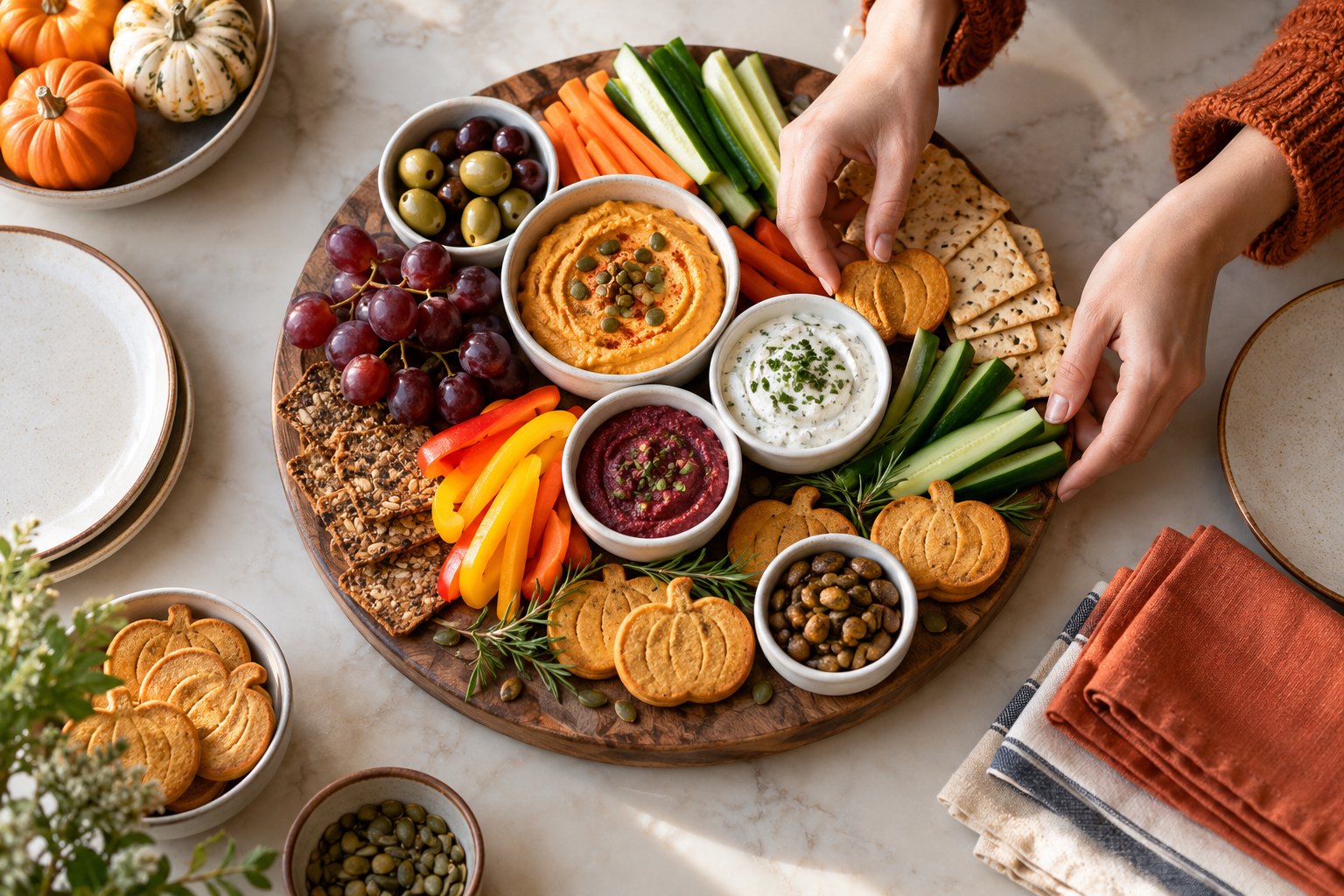
There is also a small courtesy that elaborate themes can obscure: tell guests what they are eating. A playful presentation works best when ingredient information remains clear. Discuss preferences beforehand, and make sure the evening offers something satisfying to people who are more enthusiastic about dinner than horror.
Keep the surprise on the screen
A film-inspired menu can accidentally reveal too much. If someone is watching for the first time, a dish named after a character’s fate or a climactic discovery can spoil an important turn before the lights go down. Broad references to season, setting, or atmosphere are usually better companions for an unfamiliar audience.
The same restraint helps with memorable dialogue. Let a first-time viewer encounter an important line in its scene, with the performance and pacing intact. Afterward, discussing why a line stayed with the group is more revealing than treating it as a catchphrase detached from the character who speaks it.
Hidden references deserve similar care. A familiar color or decorative object is not automatically an Easter egg. Any claim about a deliberate reference in the cookbook should be checked against its actual pages. Until then, there is plenty to discuss in the larger relationship between food, recognition, and cinematic memory.
The deeper appeal is shared reassurance
The promise behind The Halloween Movie Cookbook is ultimately social. Cooking gives people a reason to gather; a frightening film gives them a reason to react together. A startled laugh can travel around a room, and an ordinary plate passed between friends can quietly reinforce the feeling that everyone is safe enough to enjoy being unsettled.
That is the standard I would bring to this kind of book: does it help create an evening people want to inhabit? The most successful food-and-film pairing would leave space for both pleasures. The food deserves to taste good. The movie deserves our attention. And after the last scare, the table should still feel like somewhere worth staying.
Original content by this site's editorial team. Published: October 19, 2026 at 08:10:21 PDT (Los Angeles time)