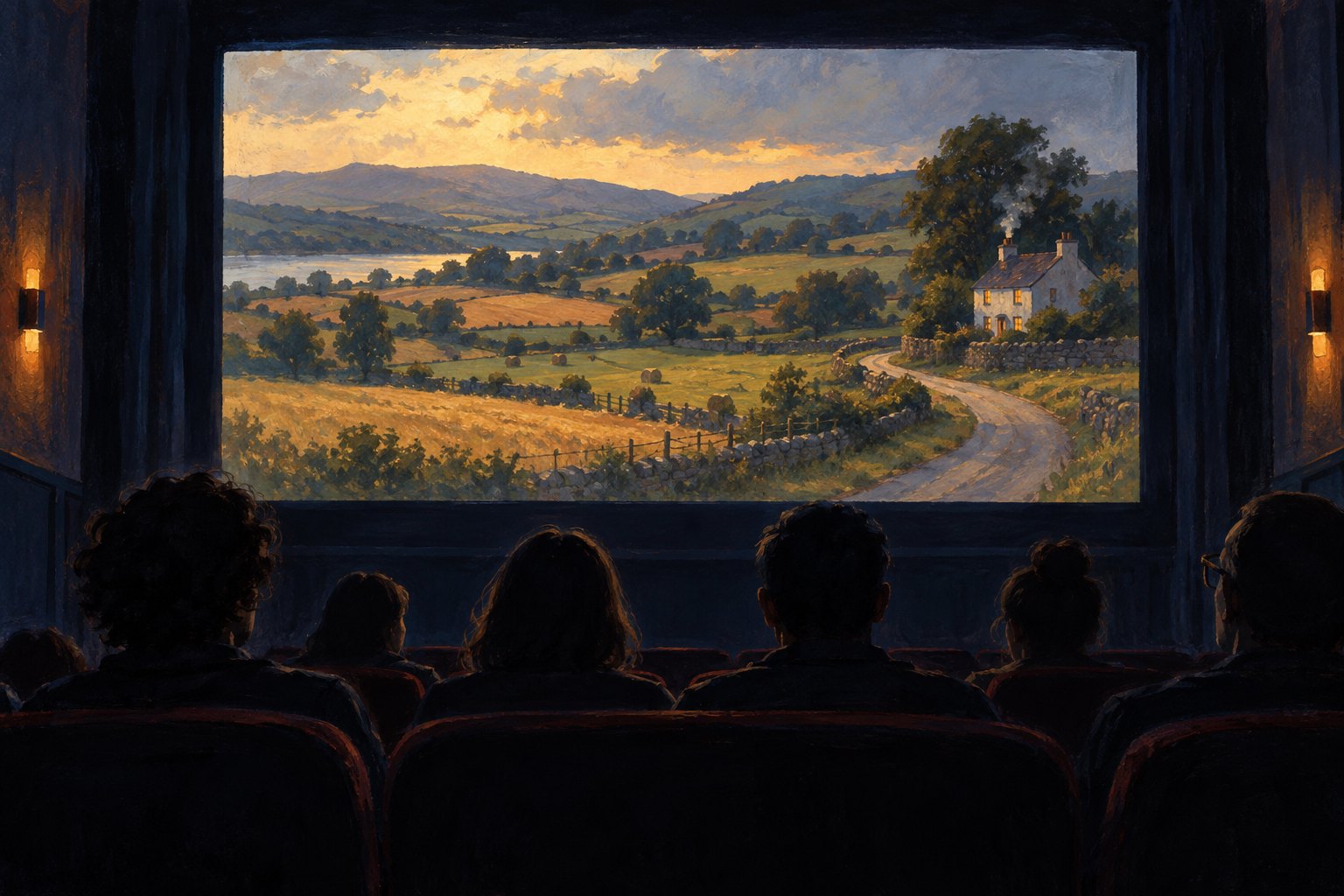
Santa Fe International Film Festival brings more than 300 hours of entertainment, according to the Santa Fe New Mexican. For movie lovers, that scale suggests an appealing problem: how do you choose an experience that feels personal when the possibilities stretch far beyond any individual viewing schedule?
The most useful answer begins with a little restraint. A large program gives you room to follow your curiosity, reconsider your preferences, and encounter stories you would otherwise overlook. Our editorial recommendation is to build a festival experience around a few deliberate choices, with enough breathing room to notice what those films actually do.
This is a spoiler-free festival commentary and viewing guide. The reported hours establish scale; they do not, by themselves, establish the quality of individual films, the number of distinct titles, or what any particular ticket includes.
What 300-Plus Hours Means for Your Choices
A total measured in hours can make a festival sound like an endurance challenge. Yet the practical value of a broad offering lies in the alternatives it creates. You can prioritize a subject that matters to you, make space for an unfamiliar filmmaking approach, or follow an emotional question across otherwise different stories.
Keep the distinction between volume and variety in mind. An aggregate figure does not explain how programming is distributed, whether screenings overlap, or how much of the total an attendee could realistically access. Those questions belong to the current schedule and ticket information. Treat the headline number as an invitation to explore, then make decisions at the level of individual listings.
Before committing, check each event’s stated runtime, location, admission terms, and any content guidance that matters to you. Allow for travel and getting seated. A schedule that works mathematically can still leave you distracted, hungry, or rushing through the final moments of a film.
Choose an Anchor, Then Make Room for a Surprise
Start with one screening you genuinely want to see. Your reason can be simple: a compelling premise, an actor whose work interests you, or a subject you have been thinking about. That choice gives the day a center without requiring every other selection to resemble it.
Next, look for a contrasting experience in the available listings. If your anchor promises an emotionally demanding story, consider something with a different rhythm. If it follows familiar territory, choose another work whose perspective raises questions you cannot immediately answer. This is a selection method, not a claim about specific films in Santa Fe’s lineup.
- Pick an anchor: Choose the film you would most regret missing.
- Identify your curiosity: Write down what interests you beyond the promotional description.
- Add contrast: Look for a different tone, form, or central relationship.
- Protect a break: Leave space to eat, move between venues, and think.
- Keep a backup: Have another option if availability or timing changes.
Prestige can help attract attention, but it cannot predict your response. Our commentary on what an Oscar selection tells viewers explores that distinction. Bring the same independence to festival browsing: an accolade may justify a closer look, while the film still has to earn your involvement.
Follow the Character’s Choices, Not Just the Premise
Once the screening begins, the program description has done its job. Now the useful questions become more specific. What does the central character want? What do they misunderstand? Which choices are available to them, and what would each choice cost?
Watching through a character’s perspective does not require agreeing with that character. It means reconstructing the pressures under which they act. Someone may describe a decision as generous while avoiding responsibility. Another person may appear withdrawn because the scene gives everyone else permission to speak first. The film’s evidence should determine the interpretation.
Pay particular attention to who gets a reaction shot. A scene may belong to the person speaking at the level of dialogue, yet belong emotionally to the person listening. A held glance, an interrupted movement, or a cut away from an expected response can shift your understanding of a relationship.
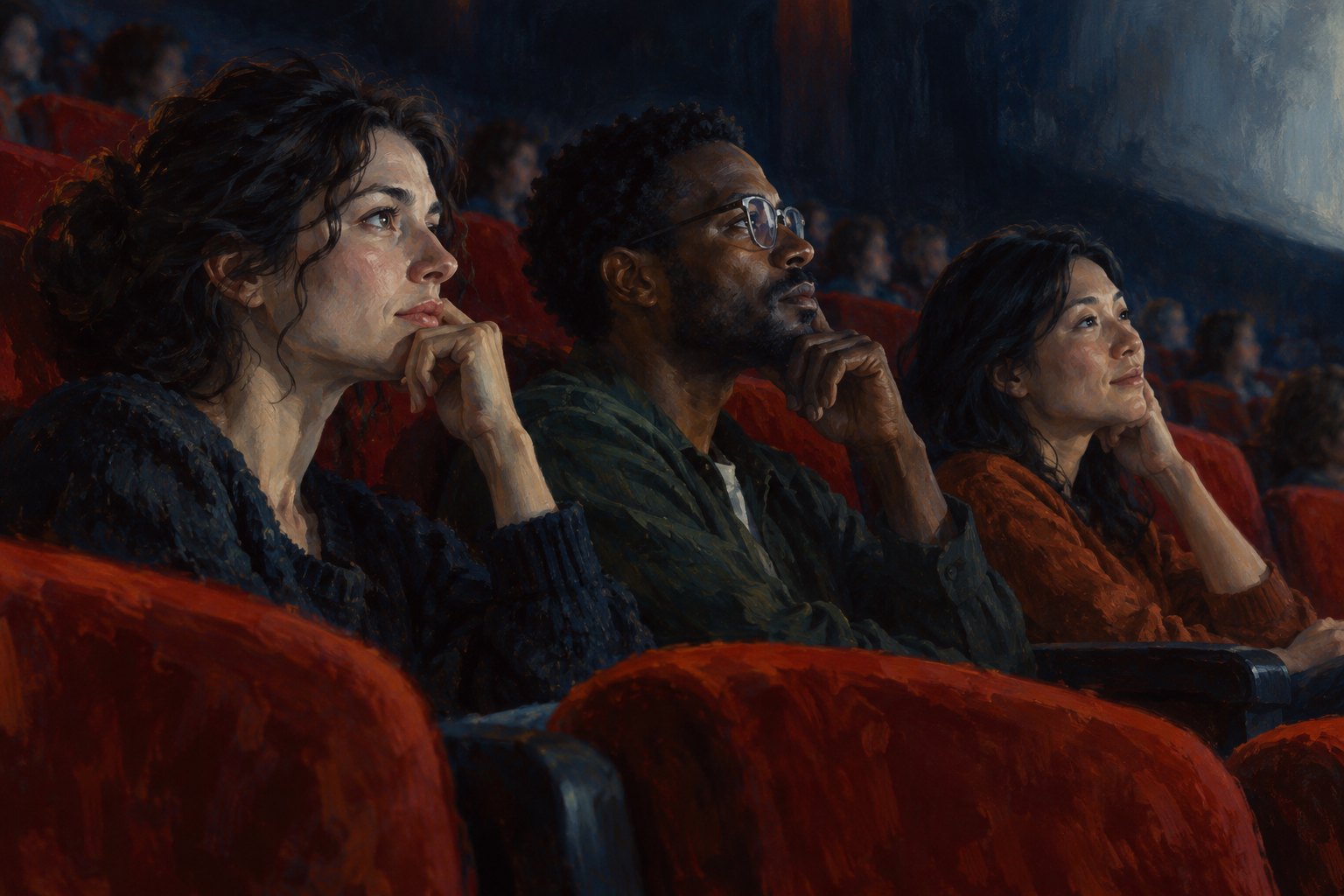
That attention to relationships also informs our discussion of watching beyond the mystery in The Lowdown. An unanswered plot question can pull you forward, while a change in trust gives the answer emotional weight. The principle is useful when approaching unfamiliar festival films, regardless of genre.
Listen for Dialogue That Changes Meaning
A memorable line does more than sound good in isolation. It can expose a contradiction, force a decision, or acquire a different meaning after another scene. Listen for the gap between what a character says and what their actions make possible.
Afterward, ask why a particular exchange stayed with you. Was the wording unusually precise? Did an actor hesitate before a familiar phrase? Did the other person refuse to respond? Those distinctions help separate an effective screenplay from an effective performance—and reveal how the two support each other.
If you keep notes, write them after the screening. Record the situation and the effect before trying to preserve exact wording. When discussing the film later, paraphrase any line you cannot confidently remember. A persuasive interpretation needs accurate evidence more than a polished quotation.
Give Each Film Its Own Standard of Success
Moving between screenings creates a temptation to judge every film against the one you just watched. Resist that long enough to identify what the new work is attempting. A restrained drama may depend on accumulating small changes; a thriller may depend on restricting information. Neither approach succeeds simply because it announces its intentions.
Instead, test the relationship between intention and effect. Does a long scene deepen the tension or repeat what is already clear? Does withheld information make a character’s uncertainty tangible, or merely postpone an explanation? Does an ending change your understanding of earlier choices?
For nonfiction, keep a separate question in view: how does the film support its account? Emotional intimacy, editing, and music can shape your response, but they are not interchangeable with evidence. Notice whose perspective is included and which conclusions remain uncertain.
Leave With an Interpretation Worth Keeping
Before the next screening takes over, jot down three things: a choice that mattered, a formal detail you noticed, and a question the ending left behind. This small habit gives your memory something more durable than a quick rating. It also makes conversations more interesting because you can point to what happened on screen.
Look for recurring images or sounds only when the film gives you reason to connect them. A repeated object may illuminate a character’s changing circumstances without being an Easter egg. The stronger interpretation explains how a detail works within the story before searching for a hidden reference outside it.
Santa Fe International Film Festival’s reported 300-plus hours offer an abundance of possible encounters. Our view is that their deepest value will emerge in the attention viewers bring to a few of them: recognizing a compromised decision, hearing an ordinary sentence differently, or understanding a person whose motives initially seemed remote. Choose a manageable path through the program and give those discoveries time to register.
Original content by this site's editorial team. Published: October 15, 2026 at 02:18:09 PDT (Los Angeles time)