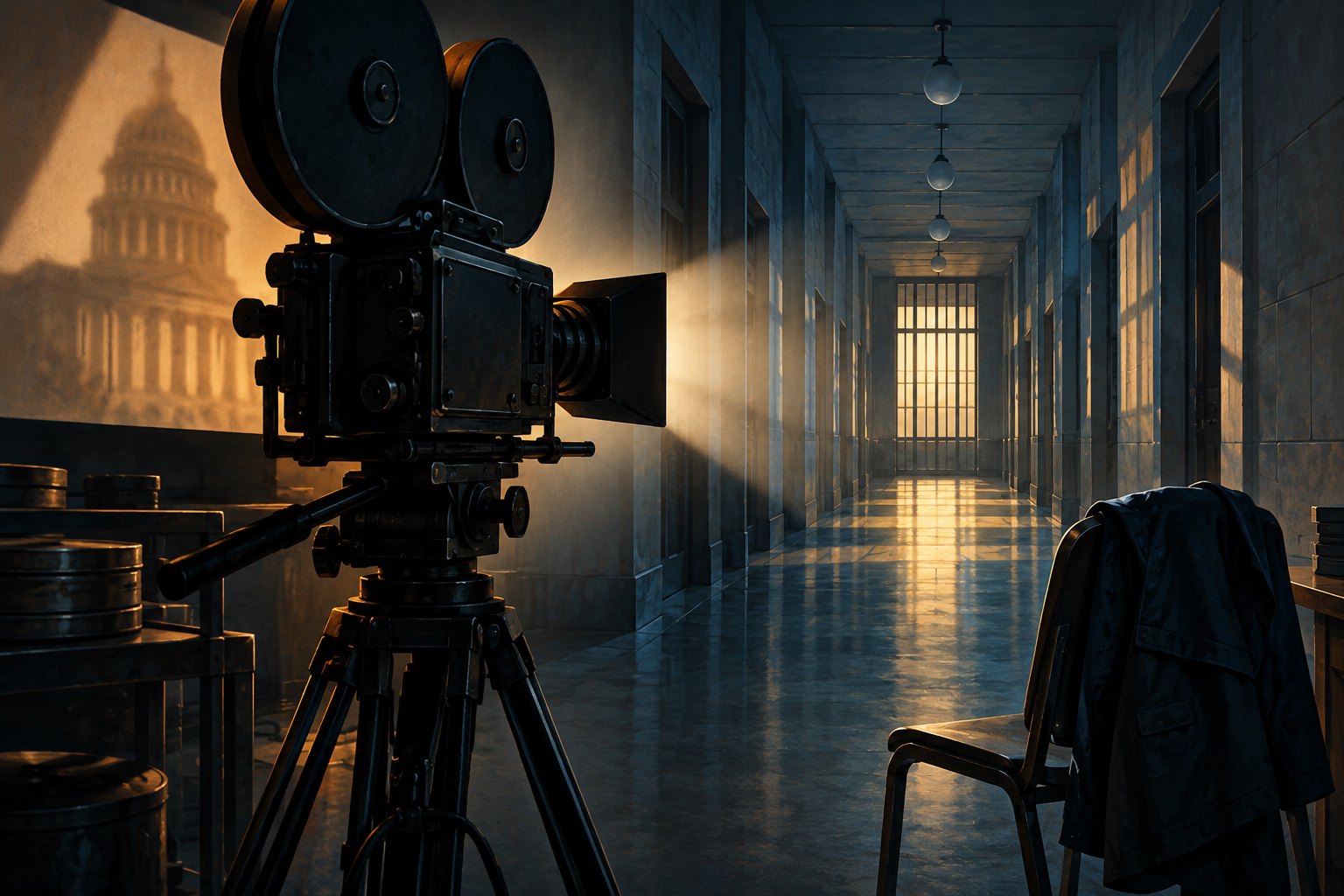
Psycho Killer deserves a more specific argument than either “everyone hated it” or “everyone missed a masterpiece.” IndieWire’s declaration that it belongs among 2026’s best films makes a forceful case for reconsideration at the headline level. But the most interesting question lies inside the movie: can a grieving woman’s pursuit retain its emotional weight when the murderer keeps pulling the story toward spectacle?
My reading is that this imbalance explains both the attraction and the frustration. The premise contains a compelling conflict between a person confronting an actual loss and a killer who treats other people’s deaths as evidence of his own importance. Whether that conflict feels disturbing or dramatically underdeveloped is the real dividing line.
Spoilers follow for character developments and the climax.
Jane Archer gives the pursuit its human stakes
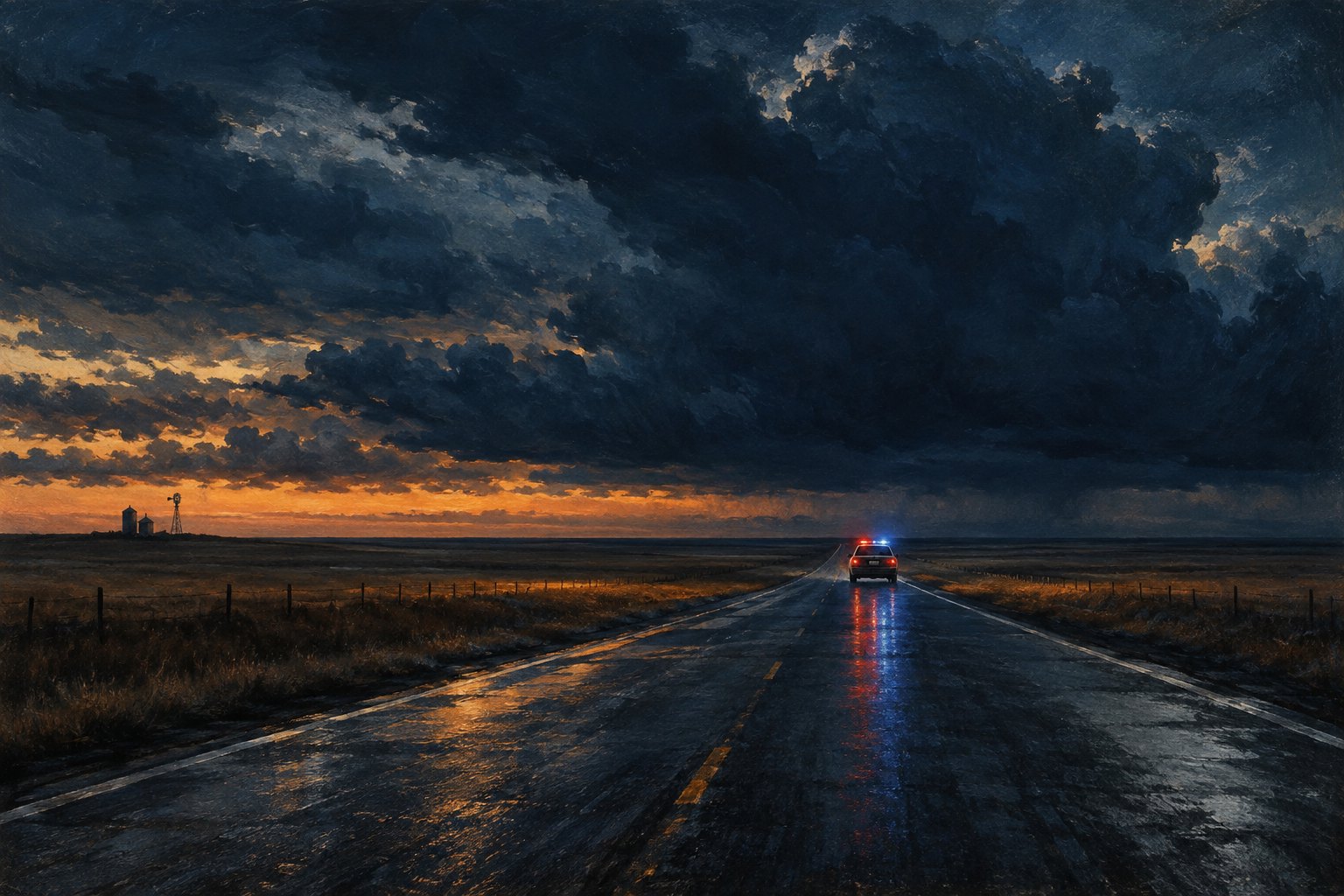
Directed by Gavin Polone and written by Andrew Kevin Walker, Psycho Killer opened in the United States on February 20, 2026. Georgina Campbell plays a Kansas highway patrol officer pursuing the man who murdered her husband; James Preston Rogers plays the killer. The official synopsis establishes a pursuit that grows beyond Jane’s initial understanding of the crime. [20th Century Studios’ film information](https://www.20thcenturystudios.com/movies/psycho-killer).
That setup makes Jane’s professional role inseparable from her bereavement. Investigation normally requires distance: identify a pattern, test an explanation, follow evidence. For Jane, every advance also returns her to the event she cannot undo. Catching the murderer promises an achievable objective where grief offers none.
Viewed from her position, pursuit can therefore mean two things simultaneously. It is a necessary effort to prevent further harm, and it is a way of organizing a life that has suddenly become unrecognizable. The critical question is how much room the film gives those motives to differ. A grieving character becomes more interesting when competence does not automatically equal recovery.
Campbell’s character is also pregnant, a development she discussed in an interview with ScreenRant. She explained that versions with and without the pregnancy were filmed before the decision was settled during editing. [Campbell’s interview, republished by AOL](https://www.aol.com/articles/janes-psycho-killer-reveal-nearly-210004627.html).
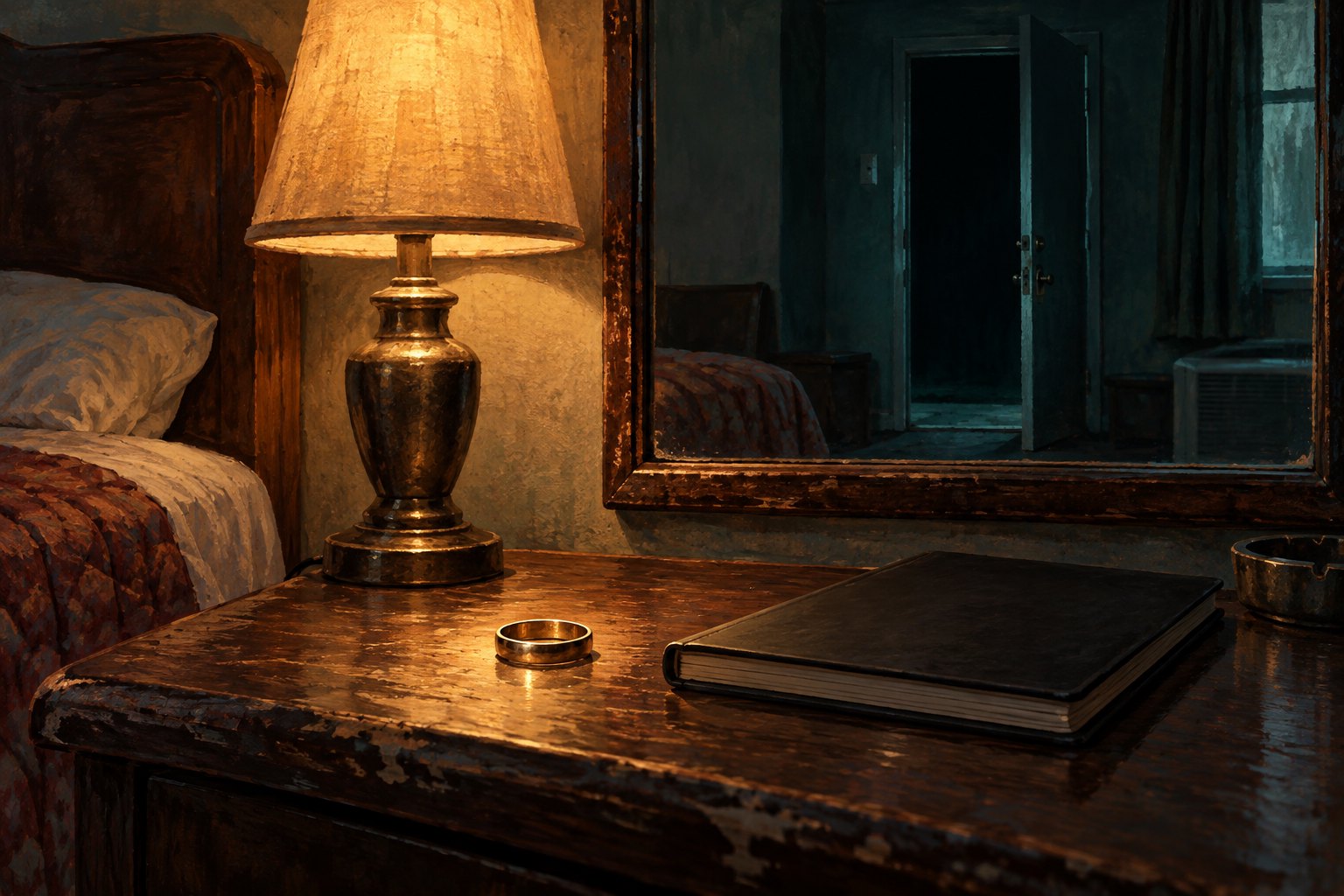
That detail changes the moral pressure of Jane’s choices. Her future has not disappeared with her husband, even if her pursuit risks making the past her only concern. Pregnancy should not be treated as a shortcut to sympathy or an instruction that she abandon her work. Its dramatic value lies in making her survival matter to a future she has barely had time to imagine.
The killer wants an audience as much as victims
The villain’s language exposes a very different relationship to suffering. “I’m flattered you’ve been following my work” turns Jane’s investigation into an imaginary act of appreciation. Later, “Open the gates!” compresses his destructive ambition into a command. Both lines appear in the film’s dialogue. [Dialogue transcript](https://www.subtitlecat.com/subs/1434/Psycho%20Killer%202026%201080p%20WEB-DL%20HEVC%20x265%205.1%20BONE.html).
The word “work” is especially revealing. He converts murder into a personal achievement and recasts the person hunting him as a spectator. From Jane’s perspective, each crime represents another life interrupted. From his, it becomes another contribution to a grand design. Their conflict is partly about who gets to define what the violence means.
This offers a productive way to interpret the film’s competing perspectives. Following a villain need not mean admiring him. It can expose the gulf between his self-image and his actions. But the distinction requires care: an imposing silhouette, a theatrical voice, and elaborate cruelty can also make the murderer the main attraction. Jane then has to compete for attention with the very spectacle she is trying to stop.
That is the character test underlying this particular horror story. Does time spent with the murderer reveal something Jane cannot know, or does it mainly postpone our return to her? The answer can vary from sequence to sequence, which helps explain why a viewer might find the film fascinating without finding it consistently involving.
Why the hostile reaction has a substantive basis
The negative response cannot fairly be dismissed as an inability to appreciate unpleasant horror. In his review for TheWrap, William Bibbiani criticized Jane’s limited characterization and the film’s storytelling energy. He also identified a potentially interesting episode in which the killer encounters other Satanists whose appetite for indulgence contrasts with his literal commitment to destruction. [Bibbiani’s review](https://www.thewrap.com/creative-content/reviews/psycho-killer-review-georgina-campbell/).
That encounter offers more than a change of location. It places the villain among people who share his imagery without sharing the consequences of his belief. The distinction creates room for grotesque comedy: what one person treats as an identity or lifestyle, another regards as a binding mission.
My interpretation is that this contrast could make the killer’s certainty look both terrifying and foolish. Those responses are compatible. A person does not become less dangerous because his worldview is absurd. The difficulty comes when a film asks us to move from that absurdity back to Jane’s grief without giving either register enough space.
Viewers who reject those transitions have a defensible objection. A surprising scene does not automatically deepen a character, and escalating violence does not automatically increase suspense. Conversely, awkwardness alone does not erase an arresting idea. The useful debate concerns what the changes in tone accomplish.
What a second look can reveal
A reassessment works best when it changes what we notice. Our discussion of Digger and the moment critics become the story considers a related danger: an argument about reception can displace the film itself. Psycho Killer benefits when attention returns to its characters.
For a second viewing, watch whose objective controls each sequence. Jane seeks an identifiable person responsible for an identifiable loss. The killer seeks confirmation of a fantasy that can always demand more victims. Their goals operate on radically different scales.
Then watch whether the film preserves that difference. Jane’s determination should have limits, costs, and competing obligations. The killer’s certainty should expose his inability to recognize anyone outside himself. Treating both characters simply as equally obsessive would flatten the ethical distinction that gives the pursuit meaning.
This is also why a darker tone needs more than brutality, a question explored in our analysis of darkness and meaningful character choices. Here, the strongest possible source of tension is whether Jane can act decisively without letting the murderer define everything that remains of her life.
The ending’s deeper conflict—and a horror reference
Jane’s climactic “Go to hell, psycho” answers the killer in the vocabulary he has imposed on the story. As an interpretation, its force comes from the difference between their intentions: he imagines hell as a destination worth opening to others; she uses it to reject him. The bluntness can register as release, although viewers looking for a richer emotional reckoning may find the line insufficient.
A smaller detail places the film within horror’s own conversation. Ryan Lambie’s Film Stories appraisal identifies a reference to Tom Savini’s effects in Maniac. It is a genre nod worth catching, without treating every resemblance to an older thriller as a confirmed Easter egg. [Lambie’s appraisal](https://filmstories.co.uk/news/psycho-killer-a-cult-horror-in-the-making/).
The strongest case for reconsidering Psycho Killer rests on its conflict over the value of a human life. Jane begins with one person whose absence matters immeasurably. The murderer seeks magnitude, attention, and an imagined cosmic reward. Calling the film one of the year’s best remains a subjective judgment. Its more persuasive invitation is to look closely at that opposition—and decide whether the storytelling gives Jane’s loss as much weight as it gives his spectacle.
Original content by this site's editorial team. Published: October 1, 2026 at 13:11:42 PDT (Los Angeles time)