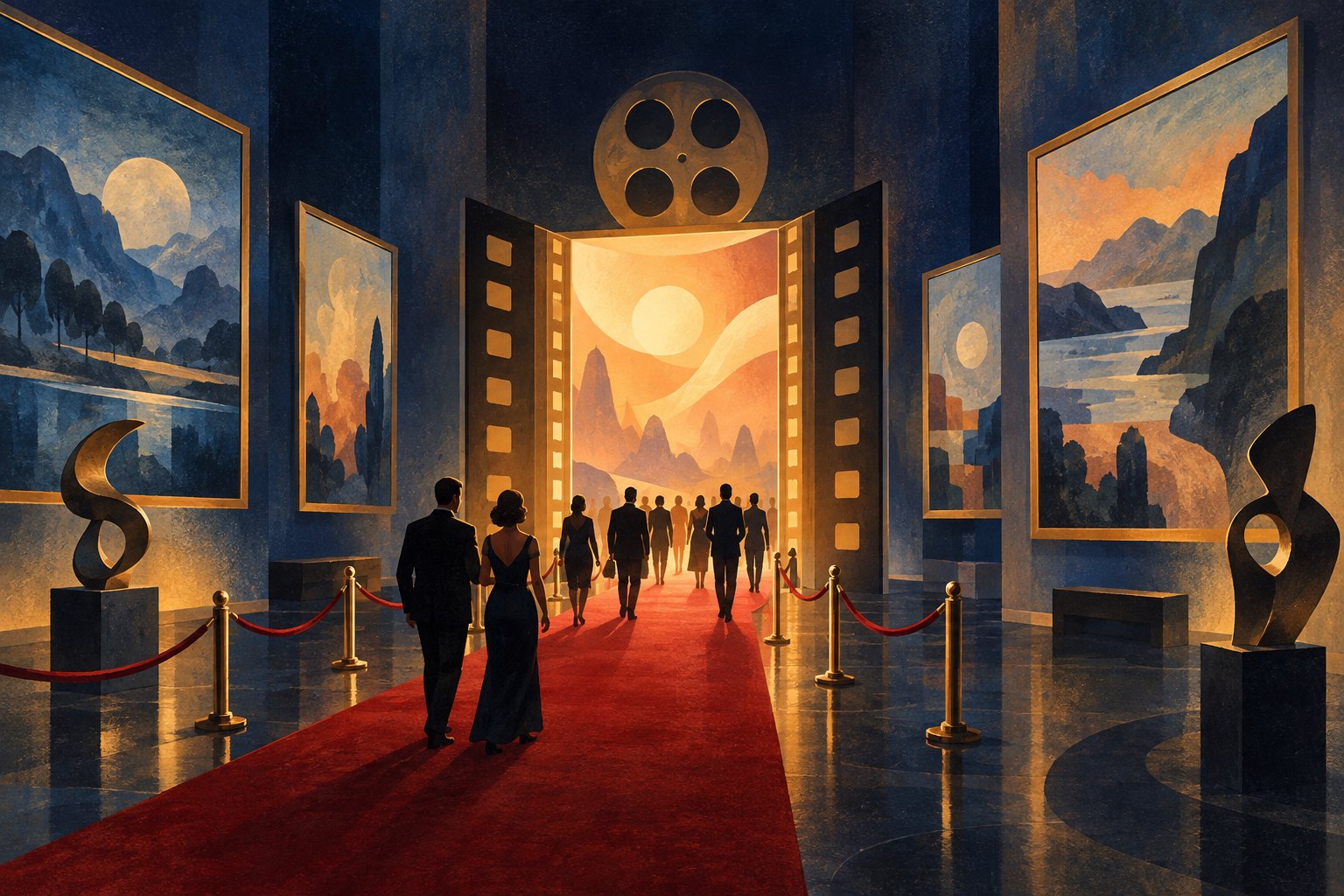
DreamWorks’ Forgotten Island was selected as the first film to premiere at the Lucas Museum of Narrative Art. The announcement gives the animated feature a distinctive place in the museum’s opening chapter. It also creates an intriguing connection between the venue and the movie’s central concern: what people stand to lose when the stories binding them together disappear. Animation Magazine reported the premiere selection, which NBCUniversal also confirmed. [Animation Magazine’s premiere report](https://www.animationmagazine.net/2026/09/dreamworks-forgotten-island-set-as-first-ever-lucas-museum-film-premiere/)
The most interesting aspect of that pairing is its emotional scale. A museum preserves stories for a public audience; a friendship preserves experiences that may matter enormously to only two people. Forgotten Island offers a way to think about both kinds of memory through the same question: what makes something worth keeping?
Coverage note: This is commentary on the premiere announcement and the officially described story premise, with premise-level spoilers. It is not a review of the completed film, an ending explanation, or an assessment of its performances.
What the premiere announcement establishes
The original announcement scheduled the museum premiere for September 23, ahead of the film’s September 25 theatrical release. Those are separate milestones: a premiere is a particular screening event, while a theatrical release concerns the wider audience. The museum’s first-premiere designation should also be understood narrowly. It identifies an inaugural event at that institution, rather than a first for animated filmmaking generally.
The distinction matters because ceremonial language can quickly become an implied verdict. A notable venue gives a movie visibility and context. It cannot establish whether the pacing works, whether the jokes land, or whether an emotional climax feels earned. Those judgments belong to the film itself.
Our discussion of the long journey behind Brad Bird’s Ray Gunn raises a related issue: the circumstances surrounding a film can enrich our interest without settling its artistic value. Here, the museum setting supplies a useful interpretive frame.
Jo and Raissa face more than physical separation
NBCUniversal’s synopsis identifies Jo and Raissa, voiced by H.E.R. and Liza Soberano, as longtime friends approaching different paths after high school. A portal takes them to Nakali, an island populated by creatures connected to stories from their Filipino families. Returning home threatens to cost them their memories of the friendship. [NBCUniversal’s film introduction](https://www.nbcuniversal.com/article/dreamworks-forgotten-island-releases-september-25)
That setup places two different fears beside each other. Moving apart threatens the everyday structure of a relationship: familiar routines, easy access, the assumption that tomorrow will look like yesterday. Losing shared memories threatens something more fundamental. It removes the history that explains why this particular person matters.
From either friend’s perspective, the dilemma therefore reaches beyond escape. Getting home could preserve an individual future while destroying part of the personal history that gives that future meaning. That is the premise’s strongest dramatic idea. A successful outcome cannot be measured entirely by where the characters end up.
It would be premature to assign one girl the role of adventurous friend and the other the role of reluctant companion. The verified premise does not establish those personalities. What it does provide is a relationship in which both perspectives deserve attention. A departure can feel like an opportunity to one person and an impending loss to another without making either person wrong.
Why a memory needs to feel specific
For this kind of story to work, viewers need more than an assurance that its protagonists have always been close. Friendship becomes convincing through particulars: an instinctive response, a disagreement with history behind it, a moment when one person understands what the other cannot say. These are criteria for evaluating the film, rather than claims about scenes it contains.
The central challenge is making the threatened loss tangible. A montage can establish that years have passed, but duration alone does not explain intimacy. The audience needs to understand what each friend recognizes in the other, and what neither could easily replace.
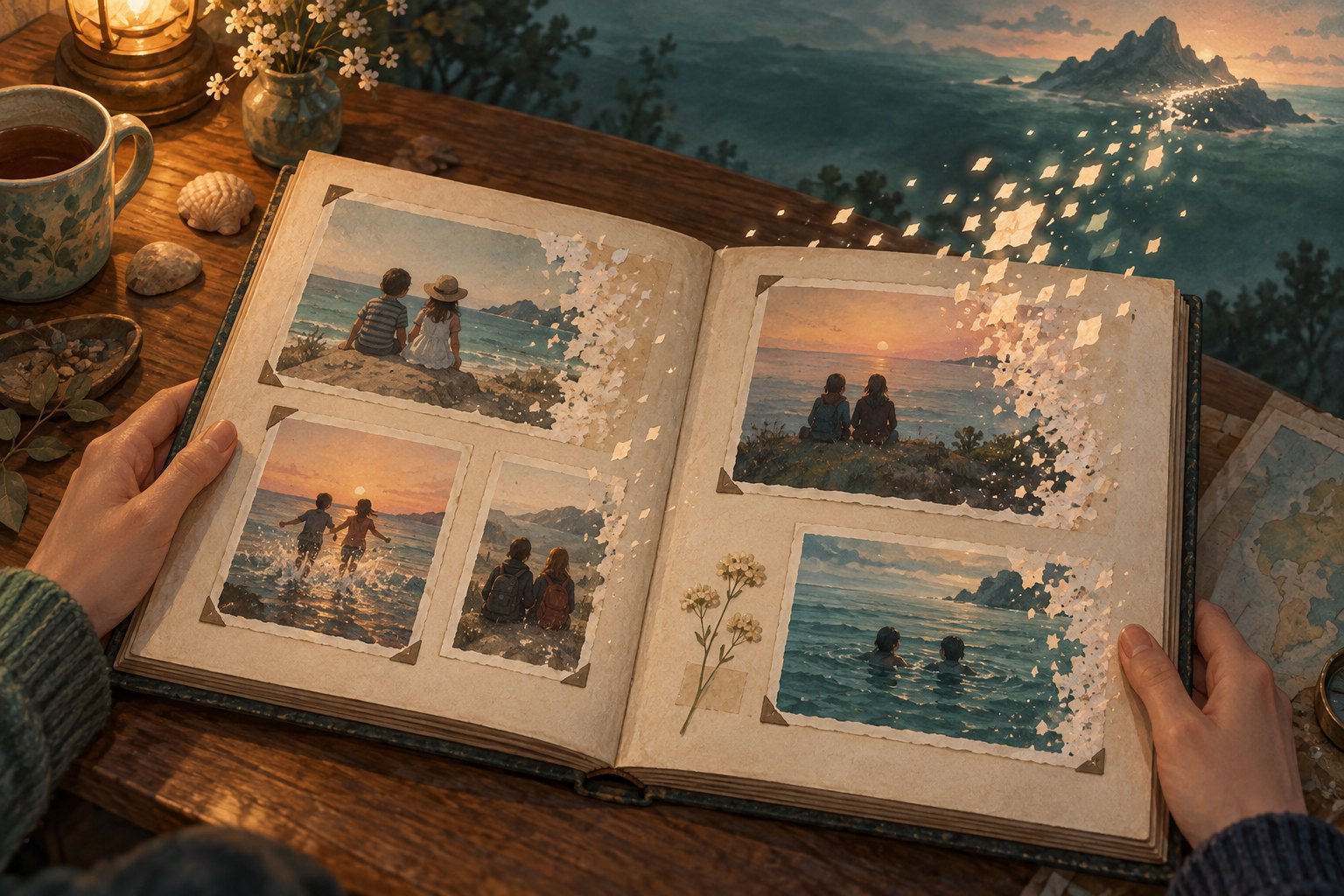
There is also a useful distinction between remembering someone and allowing that person to change. Nostalgia can preserve affection, but it can also freeze a friend inside an outdated version of herself. The premise invites that question without answering it: can Jo and Raissa protect their connection while accepting that their lives will develop differently?
Our analysis of why character perspective matters in the Sesame Street movie addresses a comparable storytelling principle. An expansive world becomes emotionally legible when its events remain connected to what the central characters notice, want, and fear.
Family stories give the island a personal dimension
The premise’s connection to Filipino family storytelling gives Nakali potential significance beyond an unfamiliar fantasy destination. For Jo and Raissa, the island’s creatures belong to a context of stories already heard. Recognition could therefore matter as much as discovery.
That distinction opens an appealing avenue for character analysis. A frightening figure can be both an immediate danger and a reminder of the person who first described it. A story carried from childhood can change meaning when encountered at the edge of adulthood. These are possibilities suggested by the setup, not verified descriptions of the movie’s execution.
The critical question is how thoroughly that cultural familiarity shapes the friends’ experience. Does it influence their understanding, their disagreements, their decisions? Specificity becomes dramatically valuable when it affects what characters do. An inventory of recognizable creatures would tell us less than a single choice rooted in how a character understands her inherited stories.
The museum connection is strongest as an invitation to look closely
For an animated feature, a museum premiere invites attention to the relationship between images and storytelling. Character movement, visual emphasis, and the arrangement of space can communicate attachment before dialogue explains it. A viewer might watch for how the friends occupy a frame together, or whether visual changes make emotional distance perceptible.
Those questions offer more substance than treating the venue as a seal of quality. They also keep the event connected to the actual work of watching: observing choices, identifying their effects, and deciding whether those effects deepen the characters.
What is worth preserving?
The most compelling interpretation available from Forgotten Island’s premise concerns the difference between carrying a relationship forward and keeping it unchanged. A friendship does not necessarily become less meaningful because its daily form changes. The harder question is which parts must survive for both people to recognize it as theirs.
That makes the Lucas Museum premiere a resonant setting for this particular story. Both the event and the premise invite reflection on preservation, but the characters give that abstract idea personal stakes. The film’s eventual achievement must rest on how convincingly it makes those stakes felt. Its strongest promise is the possibility that remembering someone can become a way of making room for who they are becoming.
Original content by this site's editorial team. Published: September 25, 2026 at 04:52:19 PDT (Los Angeles time)