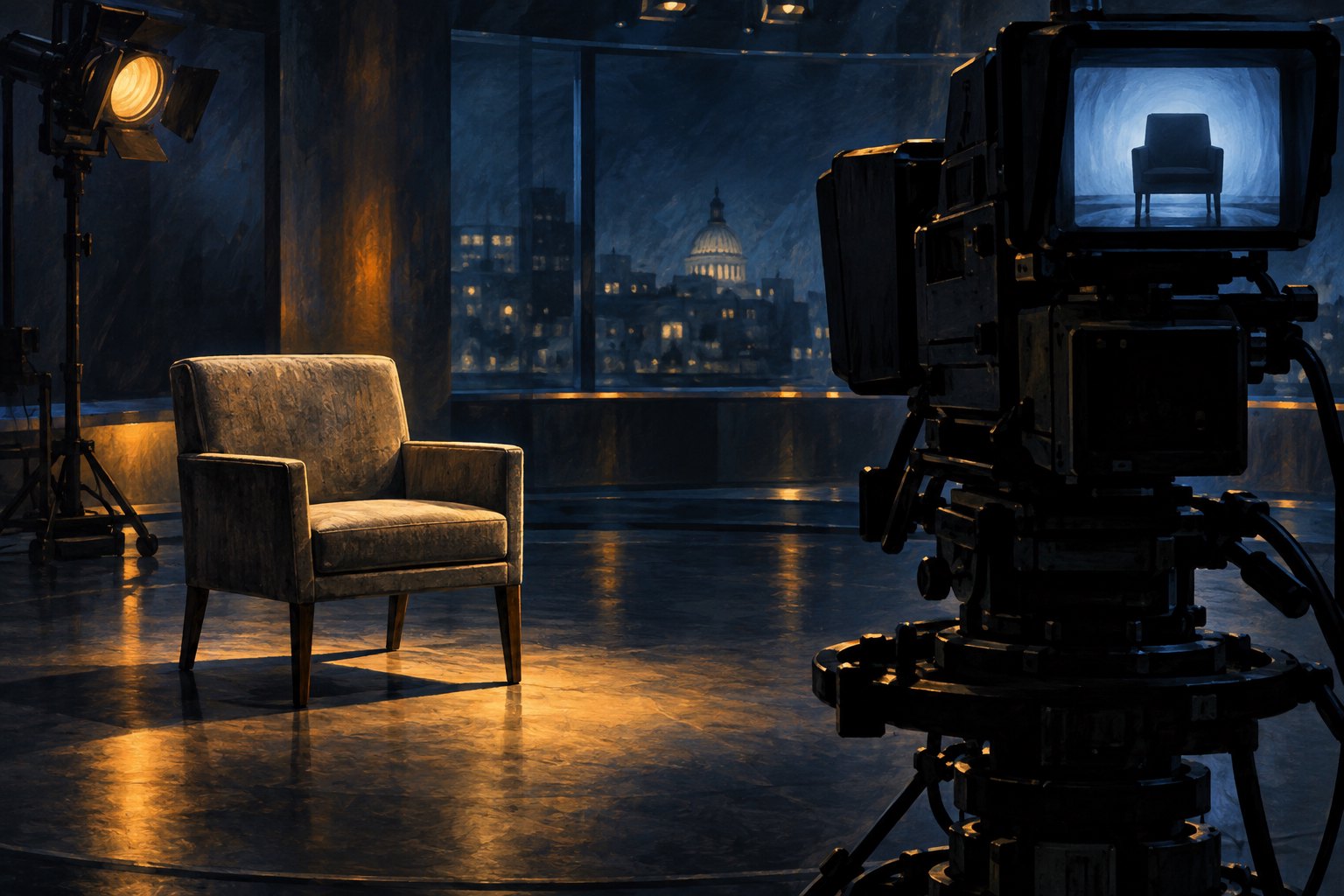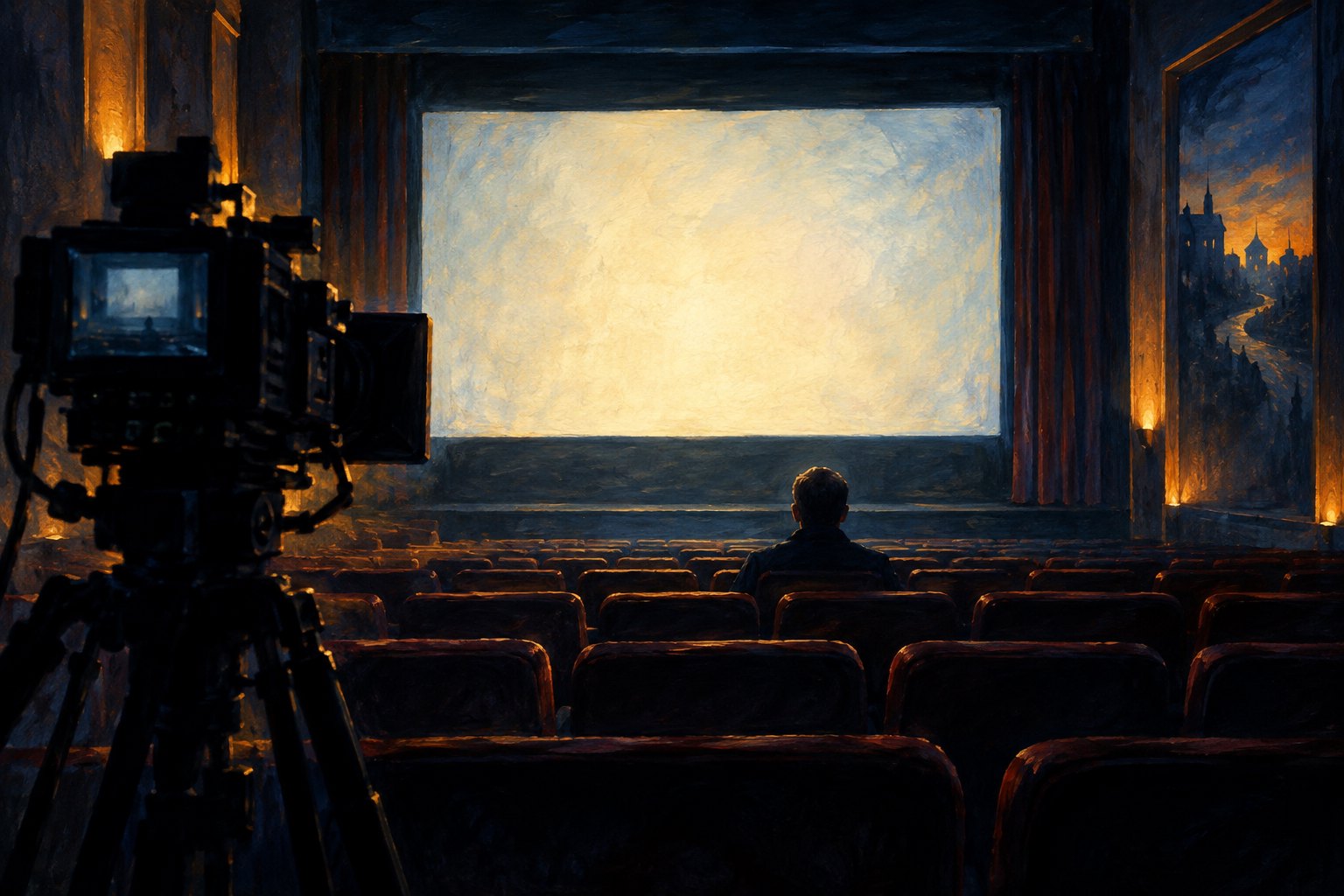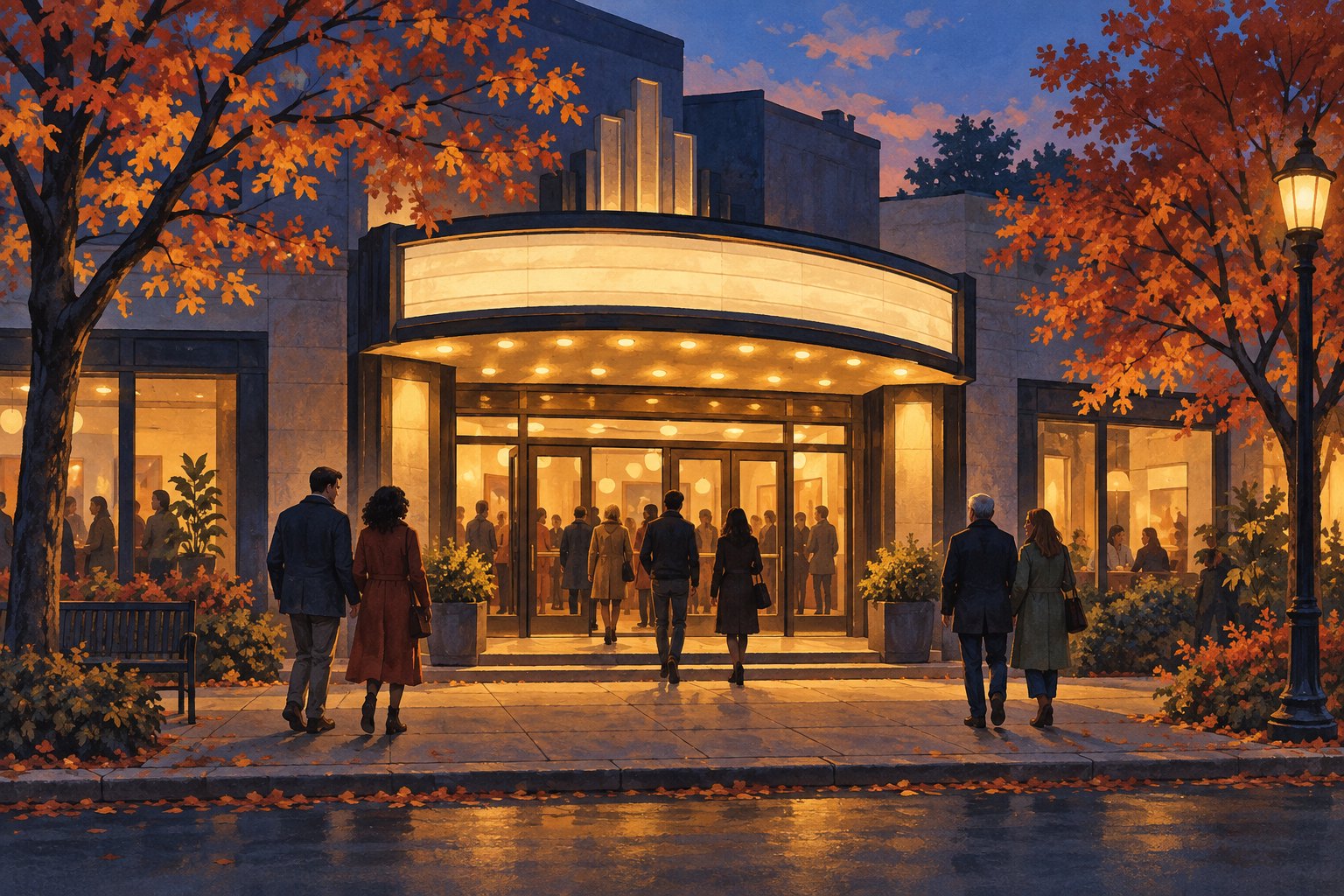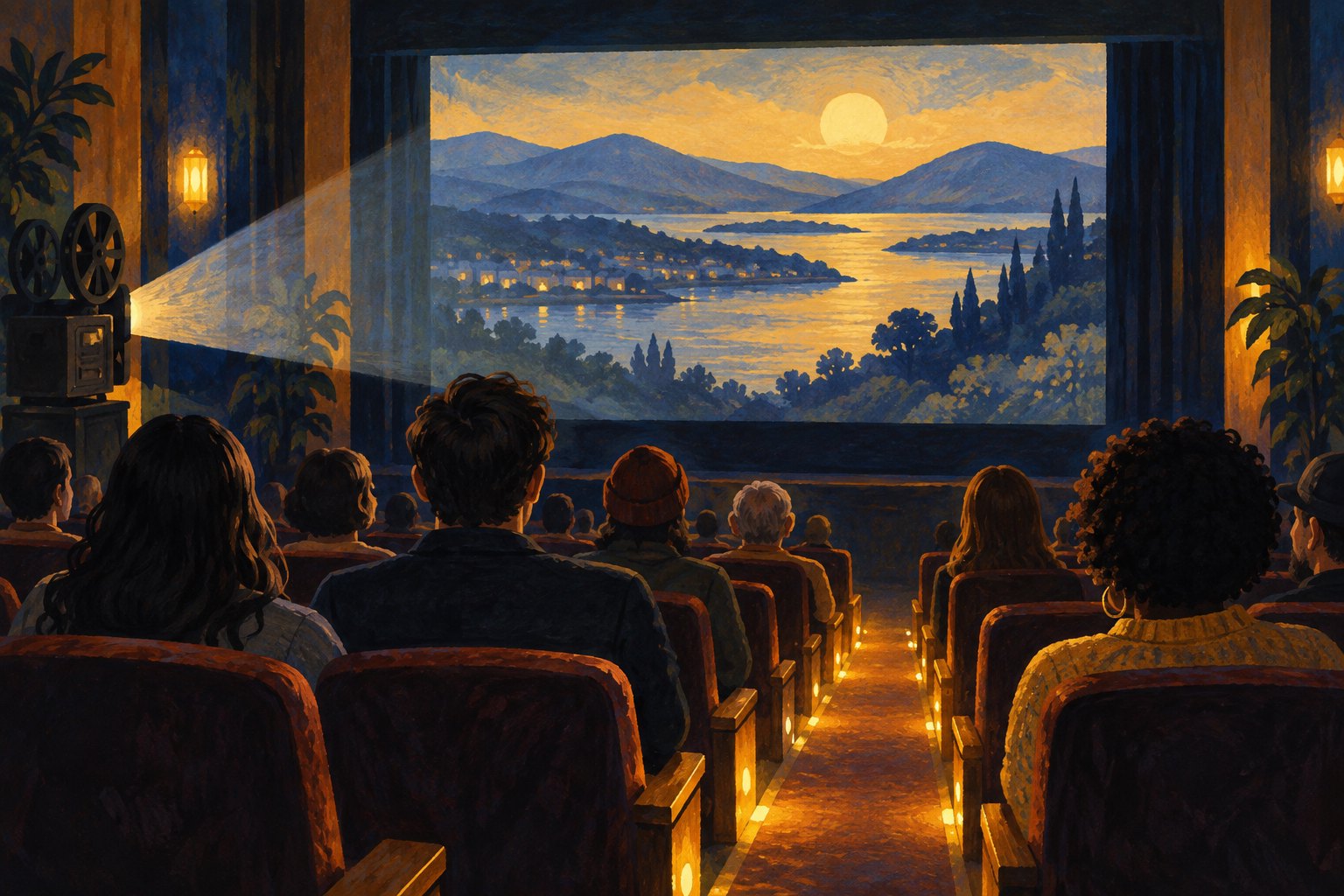
Delta’s new film festival puts local moviemaking at the center of the conversation. Colorado Public Radio describes the event as a celebration of local cinematic creativity. For viewers, that emphasis offers an appealing invitation: look closely at what filmmakers can make from the places, people, and resources around them.
The critical opportunity is equally interesting. Recognizing a location can make a screening feel personal, but recognition is only the beginning of a film’s relationship with its audience. The more revealing question is what happens when that familiar place belongs to a character whose experience differs from our own.
This is spoiler-free film-culture commentary, rather than a review of individual festival selections. The festival’s local emphasis provides the starting point; judgments about particular performances, scenes, or endings require viewing the films themselves.
Local filmmaking deserves close attention
My view is that a celebration of local cinema becomes most valuable when enthusiasm leads to attentive viewing. Applauding the effort involved is understandable. Watching how that effort becomes a sequence of images, sounds, and dramatic choices gives filmmakers something more substantial: engagement with their work as art.
Local identity alone cannot tell us whether a movie succeeds. It can, however, give us a productive way into the movie. A filmmaker’s familiarity with a place may emerge through the spaces chosen for conversations, the distance between people, or the everyday activity allowed to continue at the edge of the frame.
Those details matter when they influence the story. A setting becomes dramatically useful when it affects what someone can do, whom they encounter, or what they risk revealing. For Delta’s festival, that distinction offers a useful critical lens: watch for the moment when a recognizable environment starts shaping a character’s choices.
Watch a familiar place through the character’s eyes
An audience member and a screen character can occupy the same geography while experiencing entirely different worlds. Viewers may recognize a street immediately. The character may experience it as a route to safety, a place of embarrassment, or a boundary they have never crossed.
These are illustrative possibilities, not descriptions of festival films. They show why character perspective is such a strong starting point for film analysis. Ask what the person on screen notices. Then ask what the camera notices. When those answers differ, the film may be creating suspense, exposing a blind spot, or inviting us to question an assumption.
Framing makes these relationships visible. A wide shot can make someone appear comfortable within a community or stranded inside it. A close-up can withhold the surroundings and direct attention toward a difficult reaction. Neither choice has a fixed meaning; the surrounding shots and the character’s situation determine its effect.
Viewers who know a filming location face an additional challenge: allowing the movie to transform it. An actual building’s everyday function may have little relevance to its dramatic role. The pleasure lies in watching an ordinary space acquire a different emotional meaning through performance and perspective.

The craft worth listening for
The idea of movie magic often directs attention toward visible spectacle. During a locally focused screening, it can be rewarding to concentrate on less conspicuous choices, especially sound and editing. Both help create a world that extends beyond whatever the camera can show.
Offscreen sound can suggest nearby activity, establish isolation, or make an unseen presence feel important. Listen for whether a change in the soundscape alters your understanding of a character’s situation. Also distinguish a deliberate effect from a practical problem: dialogue that is difficult to understand may interrupt a scene regardless of the production’s scale.
Editing deserves the same specificity. A conversation gains meaning through decisions about when to show the speaker and when to show the listener. Holding on a reaction may reveal that the emotional event belongs to the person receiving the words. Cutting away too quickly may prevent that response from registering.
These observations make criticism more useful than a broad judgment about whether a film looks professional. They identify where the storytelling reaches the viewer and where its effect becomes uncertain.
Judge performances through relationships
A productive way to assess acting is to follow what each character wants from the other person in a scene. Are they seeking reassurance, concealing resentment, buying time, or trying to end the exchange? The answer need not be spoken aloud, but the performance should give us something to interpret.
Dialogue matters within that relationship. A memorable line earns its force through timing, context, and consequence. An ordinary sentence can become devastating when we understand why someone struggles to say it. A clever sentence can remain weightless when it changes nothing between the characters.
Rather than collecting quotations in isolation, notice whether a line changes the listener’s behavior. Does someone move closer, stop answering, or abandon an earlier intention? This approach respects the whole scene and helps explain why a performance stays with us after its exact wording fades.
Bring curiosity and clear standards to the screening
Delta’s local focus suggests a viewing approach built around discovery. Our guide to approaching a festival lineup through discovery and character considers a related challenge: making room for a film to establish its own terms before expectations settle into a verdict.
Three questions can keep that openness concrete:
- What does the central character want? Notice when the film makes that desire clear and whether it changes.
- Which creative choice affected you most? Identify a performance detail, cut, image, or sound rather than relying only on a general impression.
- Where did your attention weaken? Consider whether missing information, repetition, or an unclear relationship caused the problem.
Afterward, a conversation becomes more revealing when people compare those observations. The connection between shared viewing and meaningful discussion also runs through our examination of how movie clubs turn screenings into social connections. A disagreement about a character’s decision can uncover details that another viewer missed.
What Delta’s celebration can mean beyond recognition
The deeper promise of a local film festival is a shift in how audiences see their surroundings. Places associated with routine become available for invention. People ordinarily understood through their everyday roles become visible as performers, storytellers, and collaborators.
That promise is an interpretation of the festival’s focus, not a verdict on its results. Its artistic value will emerge through the films and the attention viewers give them. The strongest response to local movie magic is to notice how it works: how a room becomes tense, how a face holds a contradiction, and how a familiar place becomes someone else’s story.
Original content by this site's editorial team. Published: September 25, 2026 at 20:05:55 PDT (Los Angeles time)