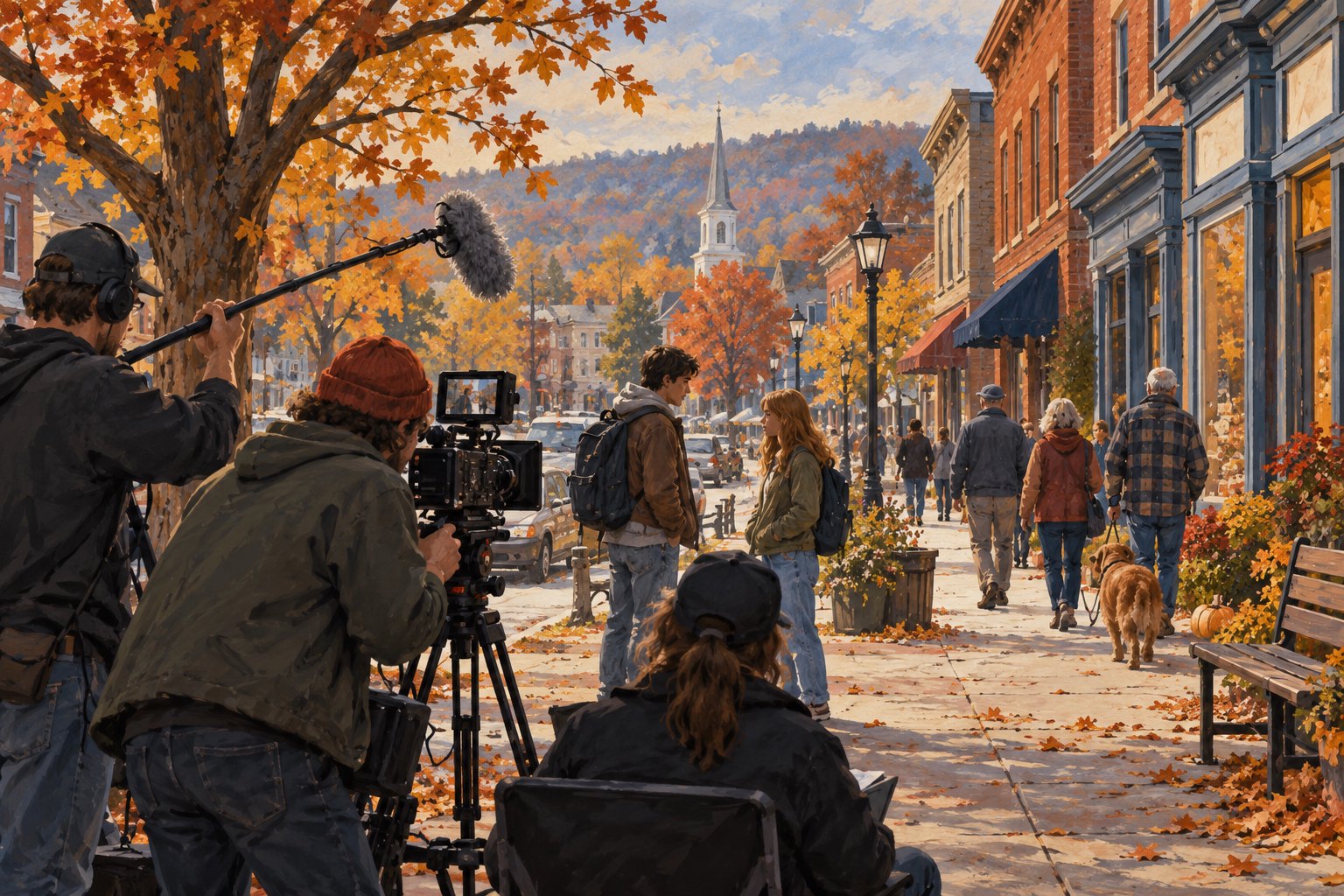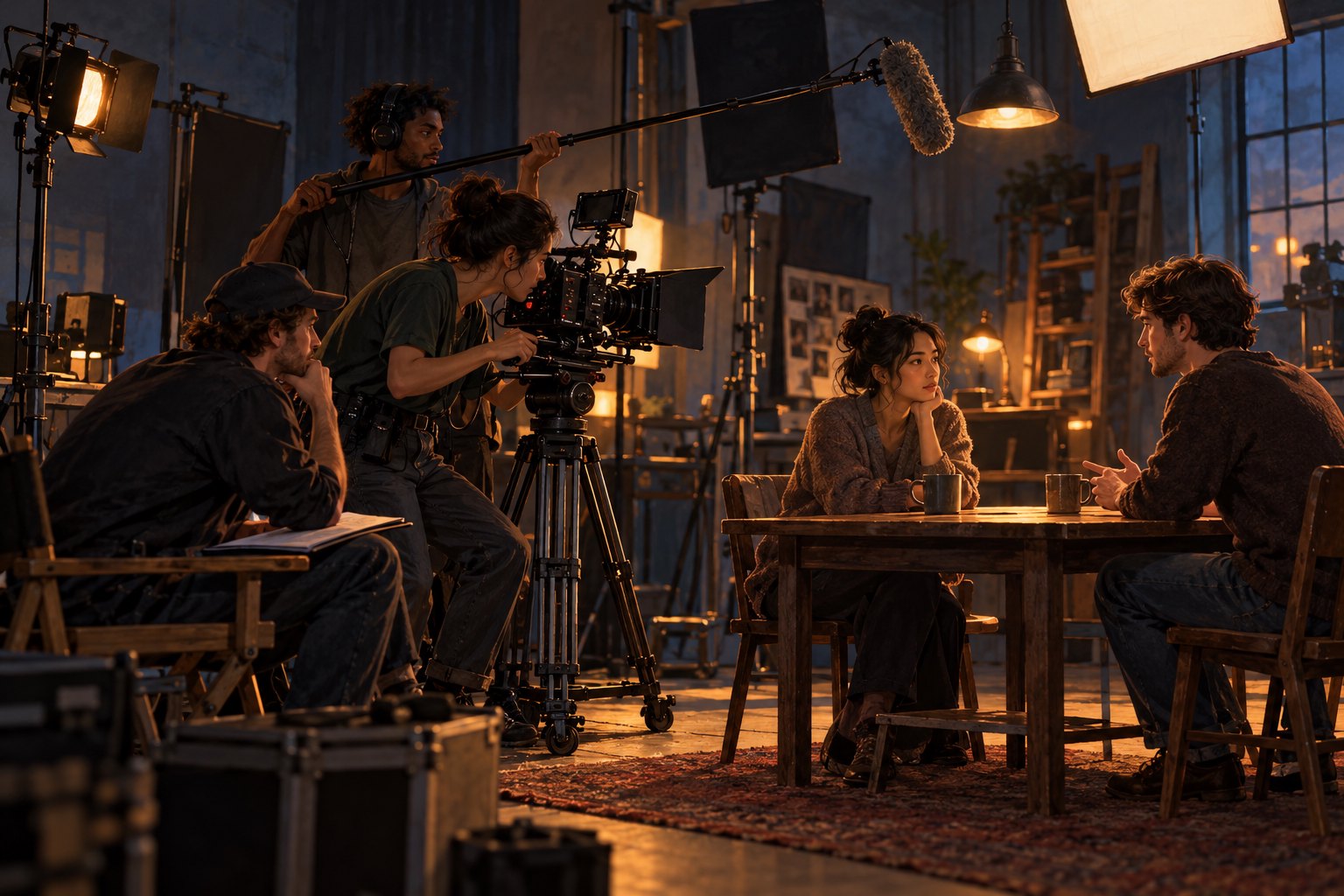
Choosing a film school in 2026 starts with a deceptively practical question: what will you actually learn to make there? A useful answer should include completed films, sustained feedback, opportunities to collaborate, and a clearer understanding of how images express a character’s experience. For an aspiring filmmaker, those are concrete things to investigate before committing to a program.
From a film critic’s perspective, the strongest evidence is on the screen. A student film can reveal an emerging filmmaker’s ability to notice behavior, build tension, or make an audience reconsider someone it initially dismissed. The educational question is whether a school creates the conditions for that ability to develop. Here is how I would assess those conditions, beginning with the films themselves.
Watch complete student films, then watch them again
A promotional reel can show attractive lighting, elaborate sets, and ambitious camera movements. A complete short film asks those images to sustain attention across time. Seek out several recent works from the program you are considering, ideally across different courses or production levels. Ask which projects were required assignments, which received additional support, and how the school selected the examples it presents.
On the first viewing, pay attention to your response. When did you become curious? When did you feel confused? Did the ending change your understanding of an earlier moment? On the second viewing, look for the decisions responsible for those reactions. An expressive film should give you something specific to discuss beyond its surface polish.
A modest scene can provide revealing evidence. Consider a hypothetical short in which two siblings pack up a family home. The dramatic question might emerge from who keeps working, who avoids a particular room, and who claims an apparently worthless object. The audience’s interest depends on behavior acquiring meaning. A school that helps students develop that precision has something substantial to offer.
Look for character development in the filmmaking itself
Character work extends beyond a screenplay’s descriptions. It includes where an actor stands, when the camera moves closer, whose reaction receives attention, and what remains outside the frame. When examining student work, ask whether these choices seem connected to the people in the story.
Return to the imaginary siblings. Filming the conversation from the doorway could emphasize their distance from each other. Staying beside the sibling who wants to leave could make the room feel oppressive. Holding on the other sibling after the conversation ends could reveal a loneliness that the dialogue conceals. Each approach gives the viewer a different emotional position.
My preference is for programs that can explain how they teach these relationships between form and feeling. Ask how directing classes address performance, whether students rehearse with actors, and how instructors discuss a scene that is technically competent but emotionally unclear. An answer grounded in assignments and examples is more useful than a broad promise to develop creative voices.
Ask what happens after the first cut
Editing offers a particularly revealing test of a program’s teaching culture. Request an example of how a project develops between its first assembly and final version. What kinds of notes do students receive? Who provides them? Is there time to try alternatives and screen the film again?
Useful criticism identifies a problem precisely enough to make experimentation possible. An instructor might observe that the viewer learns something before the protagonist does, weakening the intended surprise. Another note might identify a reaction shot that explains an emotion the performance has already conveyed. These observations connect the audience’s experience to a choice the filmmaker can reconsider.
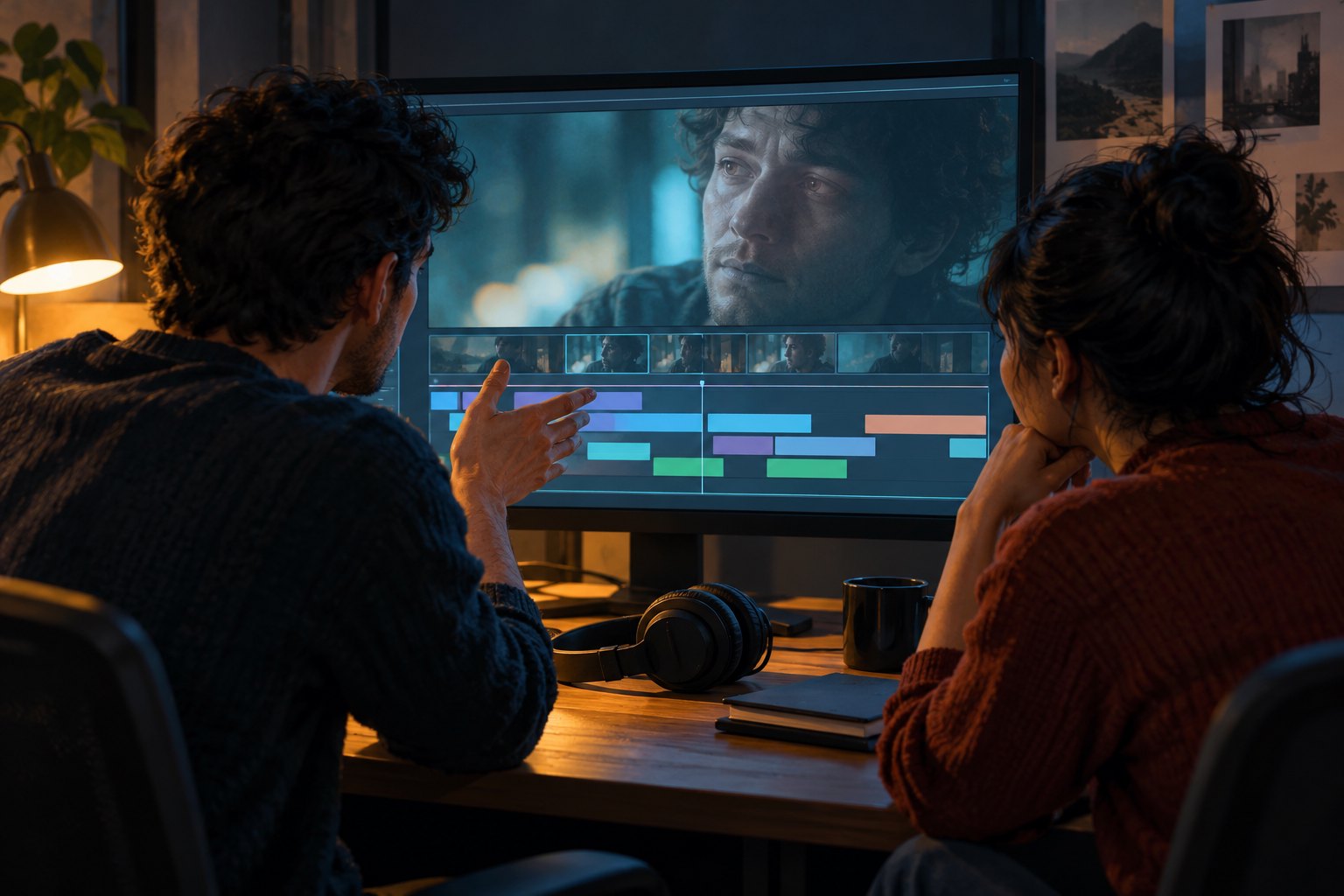
For a useful thought experiment, imagine cutting the same exchange around the speaker’s face and then around the listener’s. The spoken information remains unchanged, yet the scene may shift from confession to suspicion. Learning to recognize that difference builds the judgment needed to shape a performance without reducing it to dialogue.
That attention to interpretation also connects with the questions raised in our analysis of documentary access and the impression of truth. In both fiction and nonfiction, viewers encounter an arrangement of material. A valuable education should help filmmakers examine what their arrangement encourages audiences to believe.
Translate equipment promises into actual access
When a school describes its facilities, follow up with questions about everyday use. A camera package matters to your education when you can book it, learn it, and use it for the work your course requires. The same applies to sound equipment, editing rooms, lighting kits, and performance spaces.
- Availability: Which resources can students in your specific program reserve, and when?
- Training: What instruction or certification must you complete before using them?
- Production support: Who helps students plan locations, crew needs, sound recording, and feasible schedules?
- Additional expenses: Which project costs fall outside tuition and standard fees?
- Completion: What support exists for sound editing, color work, captions, and final delivery?
Request current, program-specific answers. Undergraduate and graduate students may have different arrangements, and a facility tour alone cannot tell you how access works. Speaking with current students about a recent assignment can help you understand the practical sequence from proposal to finished film.
Evaluate collaboration as part of the curriculum
Film education should make collaboration a skill students can practice deliberately. Ask how crews form, how responsibilities are assigned, and whether students receive feedback on the way they communicate. Find out what happens when collaborators disagree about an interpretation or a production falls behind.
These questions have artistic consequences. A director needs to communicate an intention that an actor can play. A cinematographer needs enough understanding of a scene to propose a useful visual approach. An editor needs room to identify a structural problem without every suggestion becoming a contest over ownership.
For students interested in producing, the questions change again: how does the course teach project development, scheduling, and the work of assembling collaborators? Our commentary on the creative possibilities of a film package approaches that relationship from the audience’s side. Within a school, applicants should look for assignments that make the responsibilities behind such combinations understandable.
Build a comparison around the filmmaker you want to become
Before visiting programs, identify the work you most want to improve. Perhaps you write compelling scenes but struggle to direct actors. Perhaps your images are striking while your stories lose momentum. Perhaps documentary interests you, and you need to learn how to conduct interviews and handle the responsibilities of representing other people.
Use that diagnosis to build a short comparison sheet. For each program, record relevant courses, opportunities to practice, the frequency of individual feedback, available production support, and the complete expected cost. Mark unanswered questions clearly. A vague impression becomes easier to evaluate when you can see exactly which needs a program addresses.
My editorial judgment is that the deepest value of film school lies in developing attention: learning to see what a performer is communicating, hear what a scene leaves unsaid, and recognize when a beautiful shot distracts from the story. For applicants considering film schools in 2026, the most persuasive program will be able to connect that ambition to specific teaching, accessible resources, and student work worth watching closely.
Original content by this site's editorial team. Published: October 29, 2026 at 12:02:03 PDT (Los Angeles time)