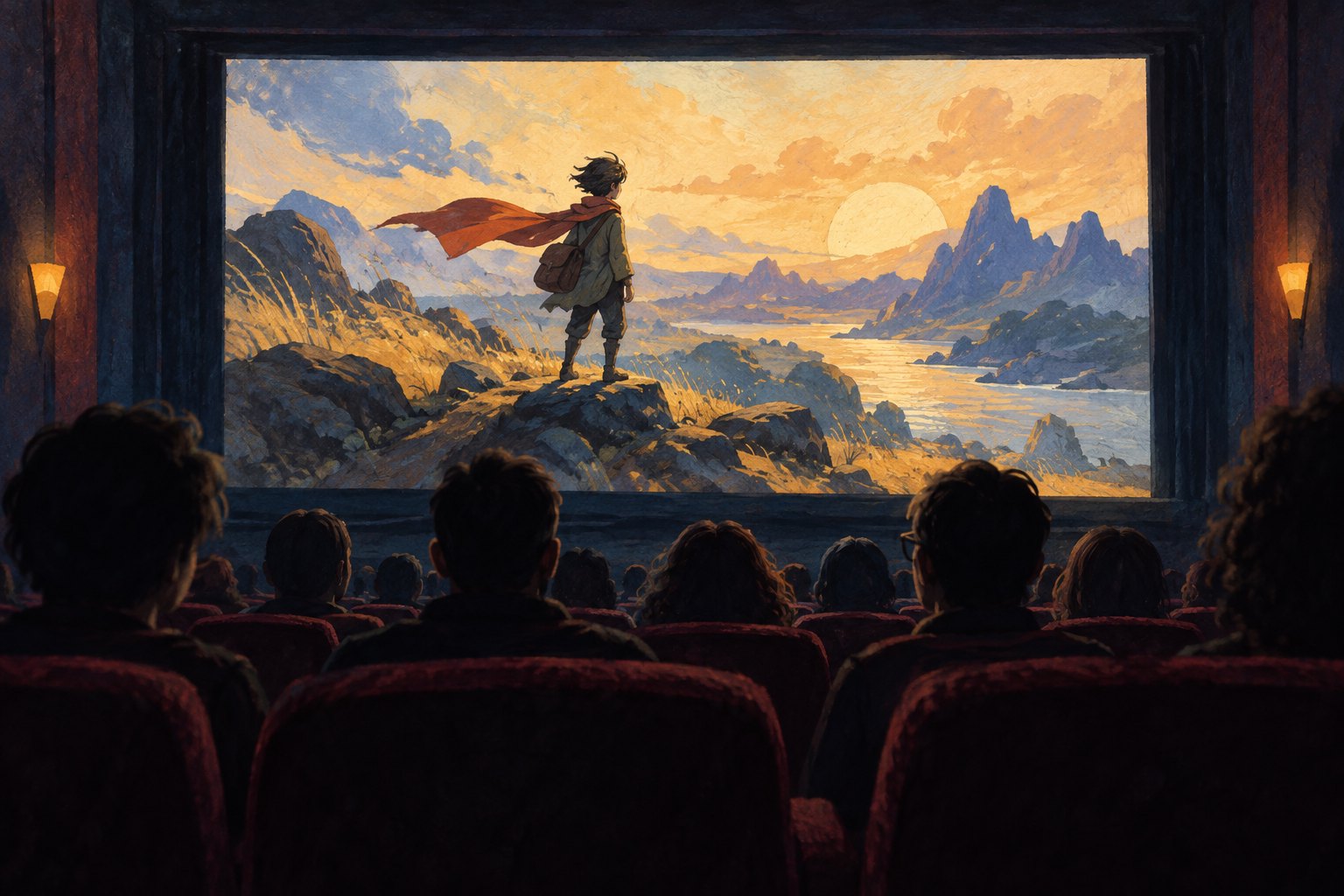
Animation Is Film has announced its 2026 lineup, according to Animation Magazine. For viewers interested in animation, the announcement opens a familiar and enjoyable question: what deserves a place on the watchlist? A striking image can make that decision feel immediate. Understanding what a film might offer takes a little more attention.
The announcement itself establishes that the lineup has been unveiled. It does not, on its own, establish which films will succeed artistically. This is a spoiler-free critical perspective on approaching the program, rather than a review of its selections or a screening schedule. The most useful starting point is character: whose experience might a film allow us to inhabit, and how might animation make that experience visible?
Read a lineup for dramatic possibilities
A festival announcement naturally encourages collecting titles. The more rewarding exercise is to identify different kinds of dramatic interest. A premise can promise an extraordinary world while saying little about the person who must navigate it. Conversely, a modest description can contain a compelling conflict: someone wants something that a relationship, an obligation, or their own behavior makes difficult to obtain.
When considering a synopsis, separate its setting from its dramatic engine. The setting tells you where events happen. The dramatic engine connects desire, resistance, and consequence. An unfamiliar landscape may attract attention, but the choices made inside it determine whether that attention becomes emotional involvement.
This is also a way to remain curious about films without recognizable names attached. Our commentary on looking beyond familiar movies when filmmakers receive support makes a related case for discovery. Recognition can help a viewer find a film; it should not become the condition for giving that film a chance.
Watch animated characters as performers
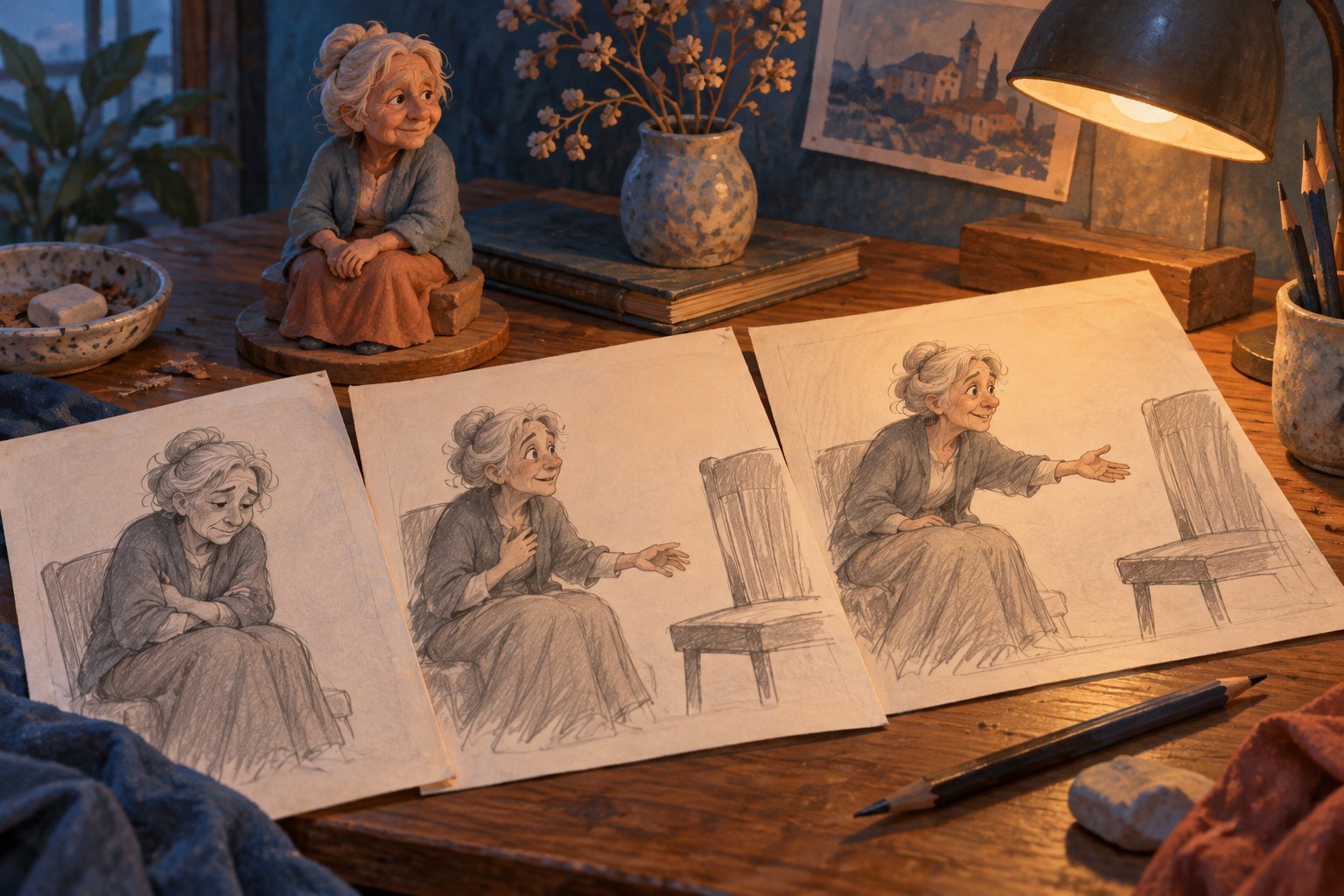
My preferred test for an animated performance is whether a character appears to think before acting. That thought need not be explained in dialogue. It might register as a delayed glance, a hand withdrawn, or a sudden change in the speed of a movement. Such details can turn a designed figure into someone whose behavior invites interpretation.
Consider a hypothetical scene in which a character reaches toward an empty chair. A quick gesture might suggest habit. A hesitant reach might suggest uncertainty or loss. The action is nearly identical, yet its timing changes what the audience understands. This is an illustrative example, not a description of any announced selection.
Voice work belongs within that larger performance. A memorable reading can supply energy, but its relationship with movement matters. Does the body agree with the voice? Does an apparently confident statement accompany a nervous gesture? Contradiction can reveal a character who is concealing something, including something they have not admitted to themselves.
Ask what the visual style lets you understand
Admiring craft is part of watching animation. The critical question is what that craft accomplishes within a particular story. A textured surface, an exaggerated expression, or a nearly motionless composition can each be effective. None automatically produces emotional depth.
A useful question during a screening is whether the film’s appearance changes your access to its central character. Does the environment become harder to read when that character is confused? Does a shift in scale make a familiar place feel threatening? Does a restrained image leave room for an emotion that a more emphatic presentation would overwhelm?
These are possibilities to watch for, not qualities being attributed to the 2026 selections. Their value is that they connect visual analysis to the experience of watching. Instead of stopping at an adjective such as beautiful or unusual, a viewer can explain what the image made understandable.
The same principle applies when animation draws on another work. Our discussion of preserving character motivation when an adaptation cuts scenes addresses the importance of emotional cause and effect. Whatever the medium, recognizable incidents carry less weight when the audience cannot follow why a person acts.
Build a watchlist around contrast
For the Animation Is Film program, a productive selection strategy is to seek contrasting experiences rather than trying to predict a single winner in advance. That approach leaves room for surprise while giving each viewing a purpose. Use the published descriptions and practical screening information to answer three questions:
- What attracts me here? Identify whether it is a character conflict, a visual approach, a subject, or an existing interest in the filmmaker.
- What would broaden my choices? Consider a film whose tone or storytelling approach differs from your first selection, where the program offers that possibility.
- What must I confirm before attending? Check the individual listing for its screening format, runtime, language information, audience guidance, and admission arrangements.
That final check matters because an announcement and an attendance plan serve different purposes. A title’s presence in coverage should not be treated as a complete description of the event being offered. Likewise, animation alone tells a viewer little about whether a particular work suits their interests or a younger companion.
Let the film earn its memorable moments
After a screening, resist the urge to judge everything by the scene that looked most impressive. Ask what changed for the central character and whether earlier scenes prepared that change. An ending can be surprising and still feel earned; it can also be visually overwhelming while leaving the underlying conflict unresolved in an unproductive way.
Dialogue deserves similar attention. A line becomes memorable partly through who says it, what they risk by saying it, and how its meaning develops. Quoting a sentence without those connections can reduce criticism to a collection of appealing fragments. No dialogue is quoted here because this announcement commentary does not establish the content of any individual film.
Details that resemble Easter eggs also deserve restraint. A recurring object may contribute to a character’s story without referring to another movie. Before treating it as a hidden reference, consider its function within the film itself. Interpretation becomes stronger when it explains something observable rather than rewarding recognition for its own sake.
The deeper test is a change in perspective
The most interesting promise of the Animation Is Film announcement is the opportunity to discover how different films organize experience. My standard for a rewarding animated feature is whether its formal choices help me understand a character more precisely: what they notice, what they misunderstand, and what finally becomes impossible for them to ignore.
That is the question worth carrying into the 2026 program. Which films make movement, sound, space, and design feel inseparable from a particular life? A lineup can invite that encounter. The achievement belongs to the film that makes us see through someone else’s eyes—and leaves that perspective with us after the screen goes dark.
Original content by this site's editorial team. Published: September 24, 2026 at 20:57:09 PDT (Los Angeles time)