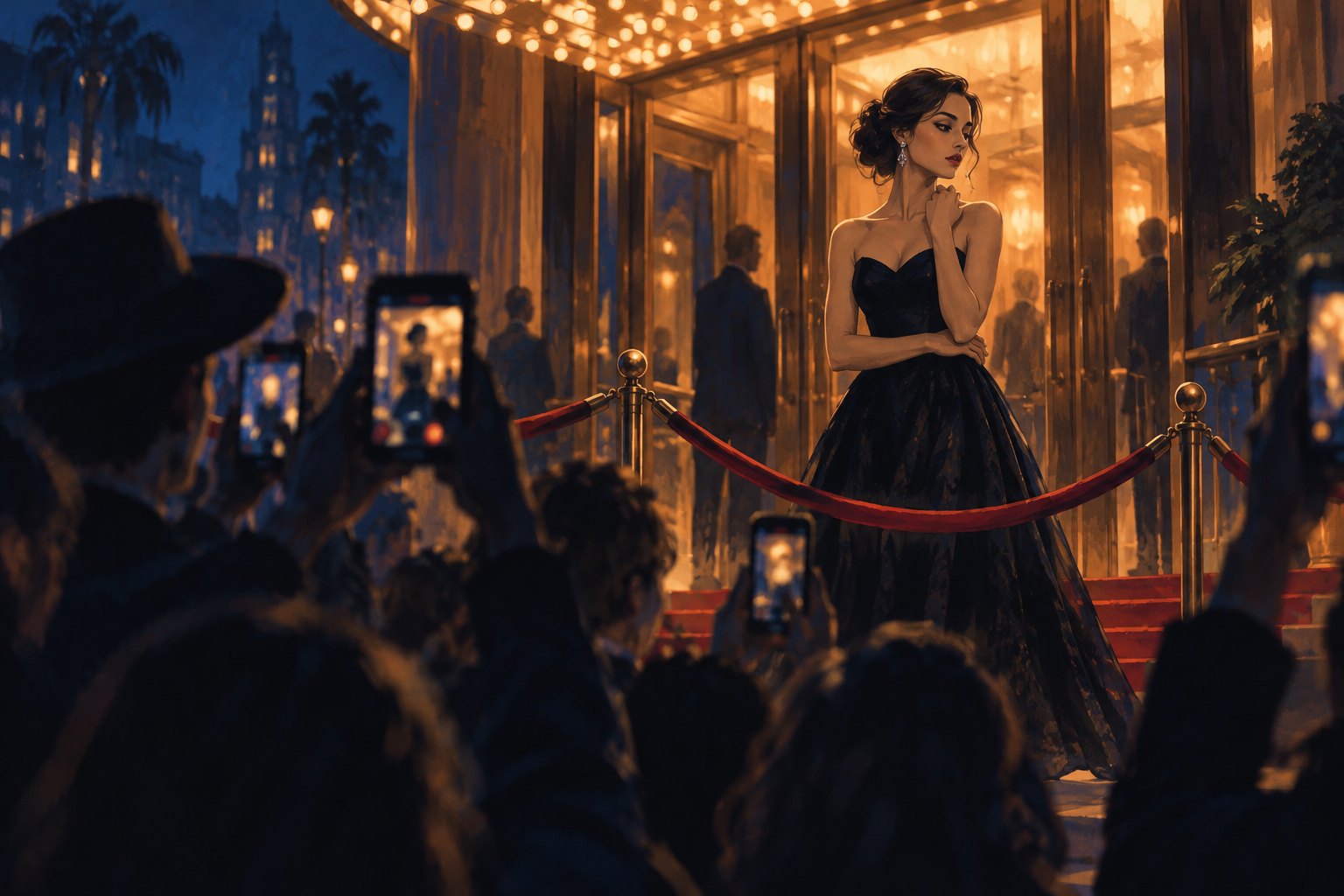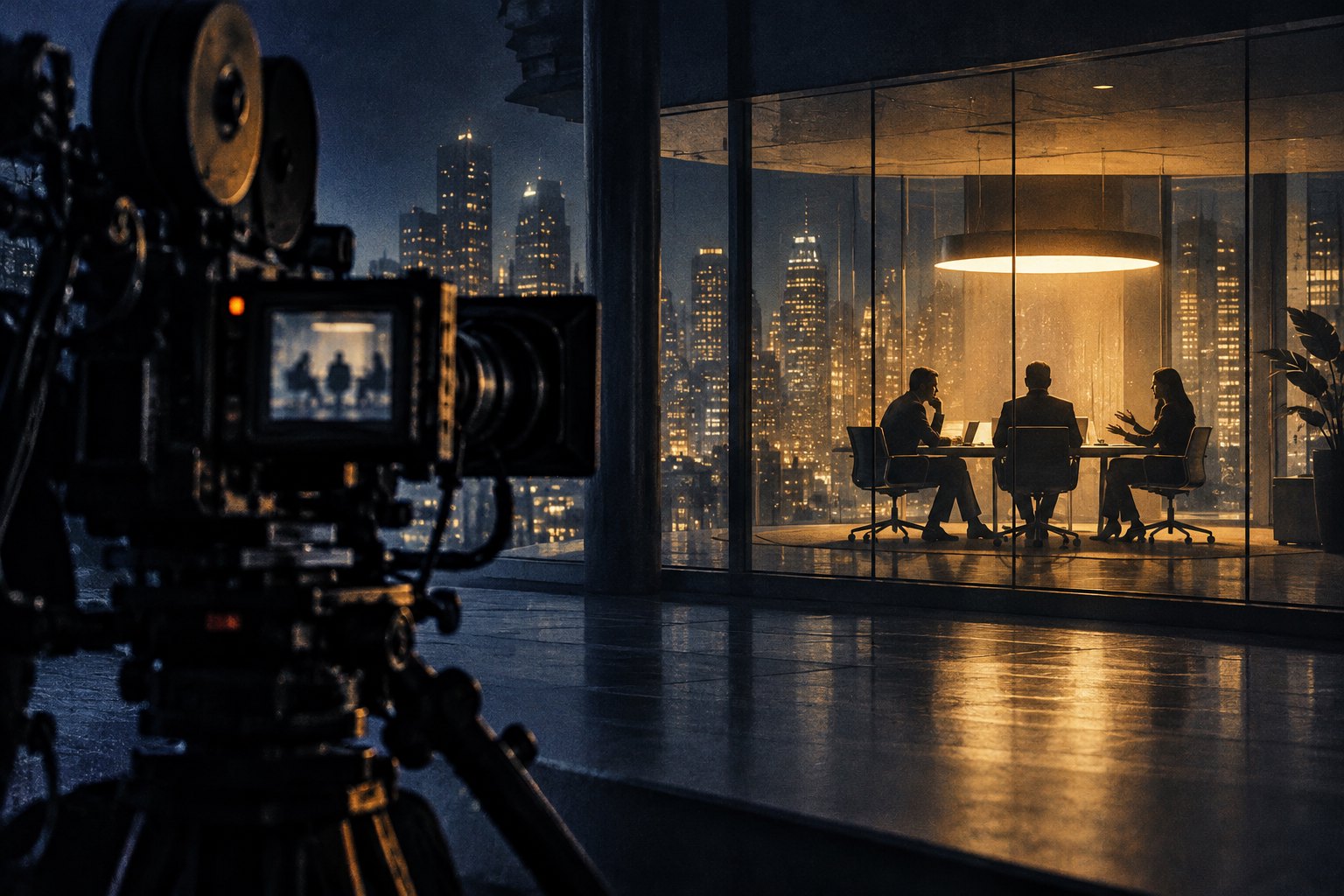
Andrew Garfield’s description of Artificial gives the OpenAI film an immediately compelling subject: the people making decisions that could shape everyone else’s future. In Reuters’ reporting, Garfield frames the film as an examination of the creators of a “new world.” That emphasis invites a question more revealing than whether a movie can make technology look exciting: can it help us understand the people exercising power through it?
The appeal is clear. A technological future can sound abstract, inevitable, and impossible to challenge. A person making a decision is something cinema can examine closely. Their confidence, hesitation, loyalties, and capacity for self-deception can turn a broad debate into a recognizable human conflict.
This is spoiler-free commentary on Garfield’s description of Artificial, rather than a review based on a screening. His remarks establish a useful way into the subject, but they cannot establish how successfully the finished film handles its characters. The distinction matters especially here, where a persuasive screen portrayal could easily become a viewer’s understanding of a real person.
Why Garfield’s Focus on the Creators Matters
The most interesting implication of Garfield’s framing is that technology has authors. Talking about a new world can make change sound like weather: something that arrives, leaving everyone else to adjust. Directing attention toward its creators restores the presence of choice. Someone identifies a goal, accepts a compromise, or decides that an objection should not prevent the next step.
For a character-focused film, those choices offer more dramatic substance than declarations about changing humanity. An ambition becomes revealing when it encounters resistance. What does a person believe they owe a colleague who disagrees? What would persuade them to stop? Do they experience criticism as useful information, personal betrayal, or evidence that others lack their vision?
These are questions raised by the premise, not descriptions of particular scenes in Artificial. Their value is that they move discussion beyond the familiar categories of visionary and villain. Either label can close an argument before a character has done anything worth examining.
Understanding a Character Does Not Settle Their Responsibility
A film about influential people faces a delicate problem: spending time with someone tends to make their reasons feel more substantial. Audiences hear their explanations, see their frustration, and follow the obstacles in their path. The people affected by their decisions may receive far less attention.
That imbalance can quietly change the moral scale of a story. A leader’s difficult afternoon might occupy more screen time than the consequences of a consequential choice. Emotional proximity starts to resemble an argument in their favor, even when the film never explicitly asks viewers to approve.
My view is that the strongest approach would allow understanding and accountability to coexist. A character can sincerely believe in a beneficial outcome while making choices that deserve scrutiny. Sincerity explains a motive; it does not determine whether the action was justified. For Artificial, that distinction seems central to the promise Garfield identifies.
The Dramatic Value of Disagreement
Character analysis becomes particularly useful when it examines how people respond to someone who refuses their version of events. Confidence in isolation tells us relatively little. Confidence confronted by a credible objection can reveal generosity, defensiveness, patience, or an appetite for control.
A revealing disagreement also requires more than one intelligible position. If every critic exists simply to delay the central figure, the story has already decided whose perspective deserves respect. If an opposing character has a meaningful objective and something substantial to lose, the audience must do more than wait for the protagonist to prevail.
This offers a practical standard for eventually judging Artificial: whether its competing perspectives have independent dramatic weight. Does an objection change our understanding of the problem? Can someone outside the central viewpoint identify a cost that the main character cannot see? Those questions are more useful than measuring how many speeches sound impressive.

Who Gets Included in the “New World”?
The phrase attached to Garfield’s remarks contains another question: new for whom? A future described by its creators may look different to the people expected to inhabit it. Their priorities may differ, and their ability to influence decisions may be unequal.
A movie cannot represent everyone. It can, however, make its limits visible. A story centered on powerful figures becomes richer when viewers can recognize that the room containing the main characters is not the whole world. Even an absent perspective can matter if the film makes that absence felt.
Our commentary on the people behind robot training videos considers a related issue of visibility. Looking closely at technology means noticing whose work and experience become part of its public story. Applied to Garfield’s framing, the question is whether examining the creators also helps us see the people beyond them.
What a Performance Can Reveal—and What It Cannot Prove
An actor can make a complicated position emotionally legible without resolving its factual or ethical merits. A pause can suggest uncertainty. A warm delivery can make an argument inviting. A sudden change in tone can expose how much a character needs another person’s agreement.
Those are expressive possibilities, not evidence about Garfield’s performance in this film. They explain why his interest in the human subjects matters: acting can reveal the distance between what a character says and what they appear to need. But viewers should resist treating that apparent inner life as verified knowledge about the person being portrayed.
The same distinction informs our discussion of what an enthusiastic endorsement can tell us about a movie. A public statement offers a perspective worth considering. It cannot substitute for examining the work. Garfield’s remarks make a case for the relevance of Artificial; they do not, by themselves, establish its achievement.
The Deeper Question Is Who Gets to Decide
The most productive interpretation of Garfield’s framing concerns authority. Creating something consequential and possessing the right to determine its consequences are different propositions. A film that keeps that tension alive could make the language of progress feel less automatic and more accountable to human judgment.
That is the strongest reason to be interested in Artificial on the terms Garfield describes. Its potential lies in making decisions visible: the assumptions behind them, the people allowed to challenge them, and the responsibilities that remain afterward. A compelling portrait would leave viewers better equipped to ask questions about its subjects, including questions those subjects might prefer not to answer.
Original content by this site's editorial team. Published: October 16, 2026 at 02:23:06 PDT (Los Angeles time)