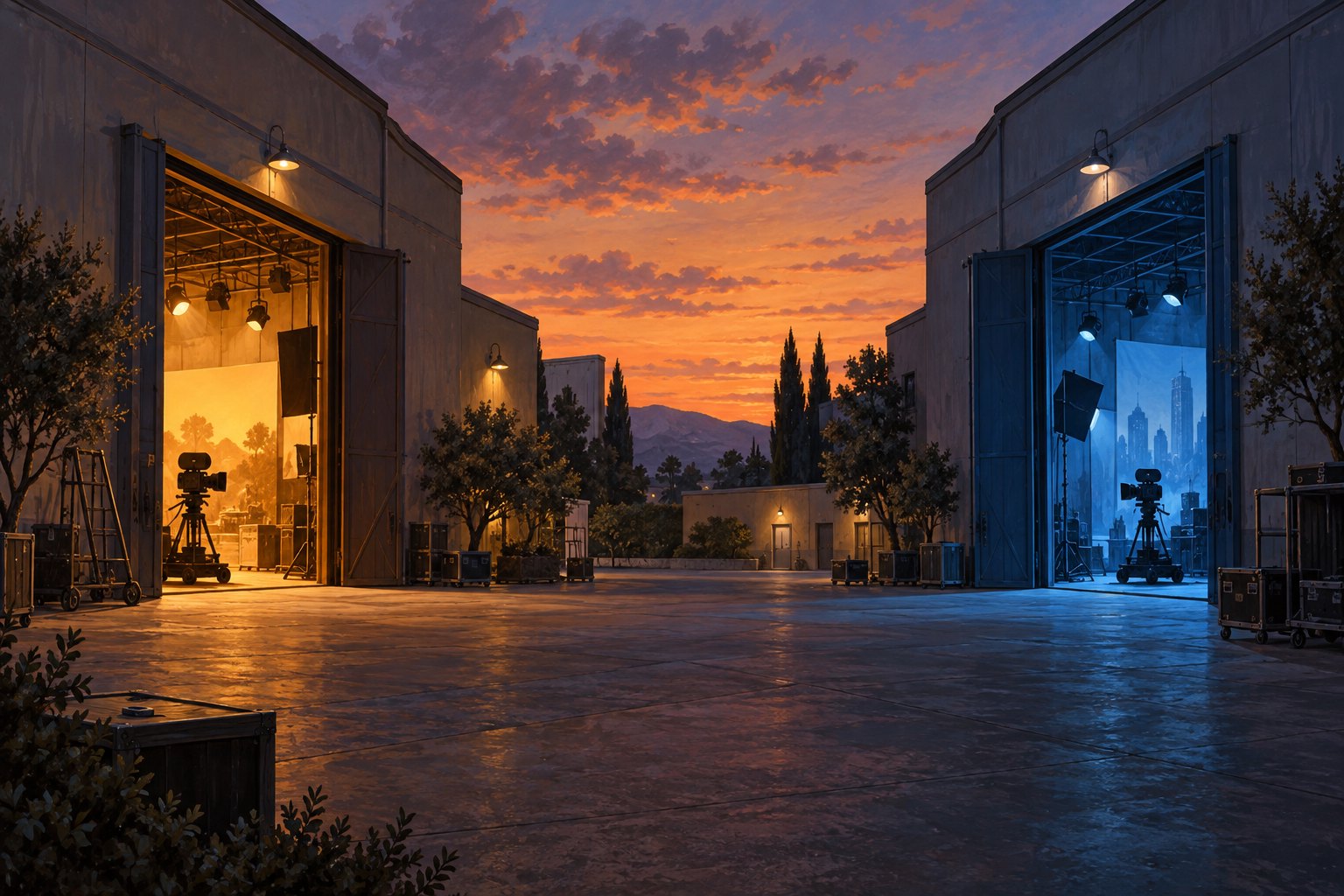
A fully AI-generated movie is pursuing an Academy Award after receiving what Futurism describes as the first MPA rating for a film made entirely through that technology. The reported milestone gives the project a compelling publicity hook. It does not, by itself, establish that the movie deserves an Oscar—or that its campaign will produce a nomination.
The useful distinction is between a film entering established industry processes and a film demonstrating artistic achievement. Those developments can coexist, but one cannot stand in for the other. For viewers, the most interesting question is what this movie can make us understand or feel once its production method stops being the main attraction.
This is spoiler-free commentary on the reported awards push, rather than a review of the completed film. No assessment of its individual characters, dialogue, or ending is implied.
What the reported milestone actually establishes
Futurism’s report connects two developments: an MPA rating and an effort to secure Academy recognition. Each deserves careful wording. A content rating serves a different purpose from an artistic award. Receiving one does not tell audiences whether a screenplay is insightful, whether a relationship feels convincing, or whether an ending earns its emotional effect.
Similarly, pursuing an award describes an ambition. It should not be compressed into a claim that the Academy has endorsed the movie. A campaign, eligibility determination, nomination, and win are separate stages. Treating them as interchangeable makes the publicity sound more conclusive than it is.
The description of the movie as a first also needs to remain attached to the reporting. Establishing a historical first requires a clear definition of the category and reliable information about earlier productions. Readers can recognize the significance of the reported claim without accepting every broader conclusion that might be built around it.
My assessment is that the milestone warrants curiosity. The argument for artistic distinction still needs evidence from the film.
The production label leaves important creative questions open
The phrase fully AI-generated sounds comprehensive, yet it does not explain the creative decisions behind a finished movie. By itself, it tells us little about who shaped the story, selected material, determined the pacing, or decided that one version of a scene worked better than another.
Those are questions worth asking about this project without assuming the answers. A useful account of its production would identify responsibilities precisely. Describing the technology is only part of describing authorship; a reader also needs to understand how choices were made and who takes responsibility for them.
That information would help criticism become more specific. If a scene succeeds, what makes it effective? If it fails, does the problem lie in its conception, its presentation, or its relationship to surrounding scenes? Blaming or praising a production method before examining those distinctions gives the method more explanatory power than it has earned.
Our discussion of what critics mean when they call a movie algorithmic explores a related problem: a broad label can obscure the particular decisions that make storytelling feel predictable or alive.
The strongest test begins with character perspective
For this movie to justify serious awards consideration on artistic grounds, my first critical question would concern perspective. Does the film let us experience events through particular characters, or does it mainly present things for us to look at? Visual invention can sustain fascination. Drama also needs a meaningful relationship between what happens and whom it happens to.
A character’s perspective emerges through information, attention, and consequence. What does that person notice? What do they misunderstand? Which possibility frightens them enough to change their behavior? These questions are more revealing than whether a face looks convincing in an isolated image.

Consider a hypothetical conversation between two people concealing different fears. Its dramatic force might depend on one person answering too quickly while the other hesitates. A pause could reveal distrust; a glance could expose a hope that the dialogue denies. The important achievement would be the relationship among those details, not the polish of any single frame.
This is a standard to apply when evaluating the film, not a description of a scene it contains. Without verified scene evidence, assigning motives to its characters or quoting supposedly memorable lines would manufacture the very substance a review is meant to examine.
Emotional continuity matters as much as visual continuity
A character should carry an experience forward. After a betrayal, an ordinary gesture may become threatening. After an act of kindness, a familiar room may feel different. Filmmaking communicates those changes through performance, framing, sound, and editing working together.
That is why a succession of attractive images cannot settle the artistic question. The test is whether later moments deepen or complicate earlier ones. Does the movie accumulate meaning? Can the viewer trace an emotional change without needing the publicity campaign to explain it?
What would make the Oscar argument persuasive?
A convincing case would move from technological distinction to specific achievements. It would identify what the film does with rhythm, visual form, characterization, or sound, then explain why those choices matter. Being unusual to produce and being exceptional to watch are different claims, and each needs its own support.
Three kinds of evidence would make the discussion more useful:
- Scenes discussed in context. A striking moment should be evaluated alongside the setup that prepares it and the consequences that follow.
- Clear creative attribution. Production claims should explain the work and decisions behind the result rather than leaving everything inside a technological label.
- Precisely described awards status. Coverage should distinguish the filmmakers’ intentions from any documented institutional decision.
The same attention to storytelling informs our examination of why Wildwood’s festival screening should put its story in focus. A prestigious context can encourage audiences to pay attention. The movie still has to reward that attention.
The deeper issue is what recognition is being asked to prove
This awards push invites a larger interpretation: institutional recognition can become a proposed answer to an artistic argument before the argument has been fully made. A rating supplies one visible milestone. An Oscar campaign introduces the possibility of another. Together, they can make a project appear to be advancing toward an inevitable cultural verdict.
I would resist that sense of inevitability. Neither enthusiasm for generative technology nor opposition to it can substitute for examining the finished work. Skepticism is most useful when it asks for specific evidence rather than predicting failure; openness is most useful when it preserves demanding standards.
The reported MPA milestone gives this movie a place in the conversation. Its awards ambition raises the stakes of that conversation. The lasting question is whether audiences will remember a character’s choice, a disturbing image, or a relationship that changed their understanding. That is the achievement the campaign ultimately needs to demonstrate.
Original content by this site's editorial team. Published: October 8, 2026 at 23:04:26 PDT (Los Angeles time)