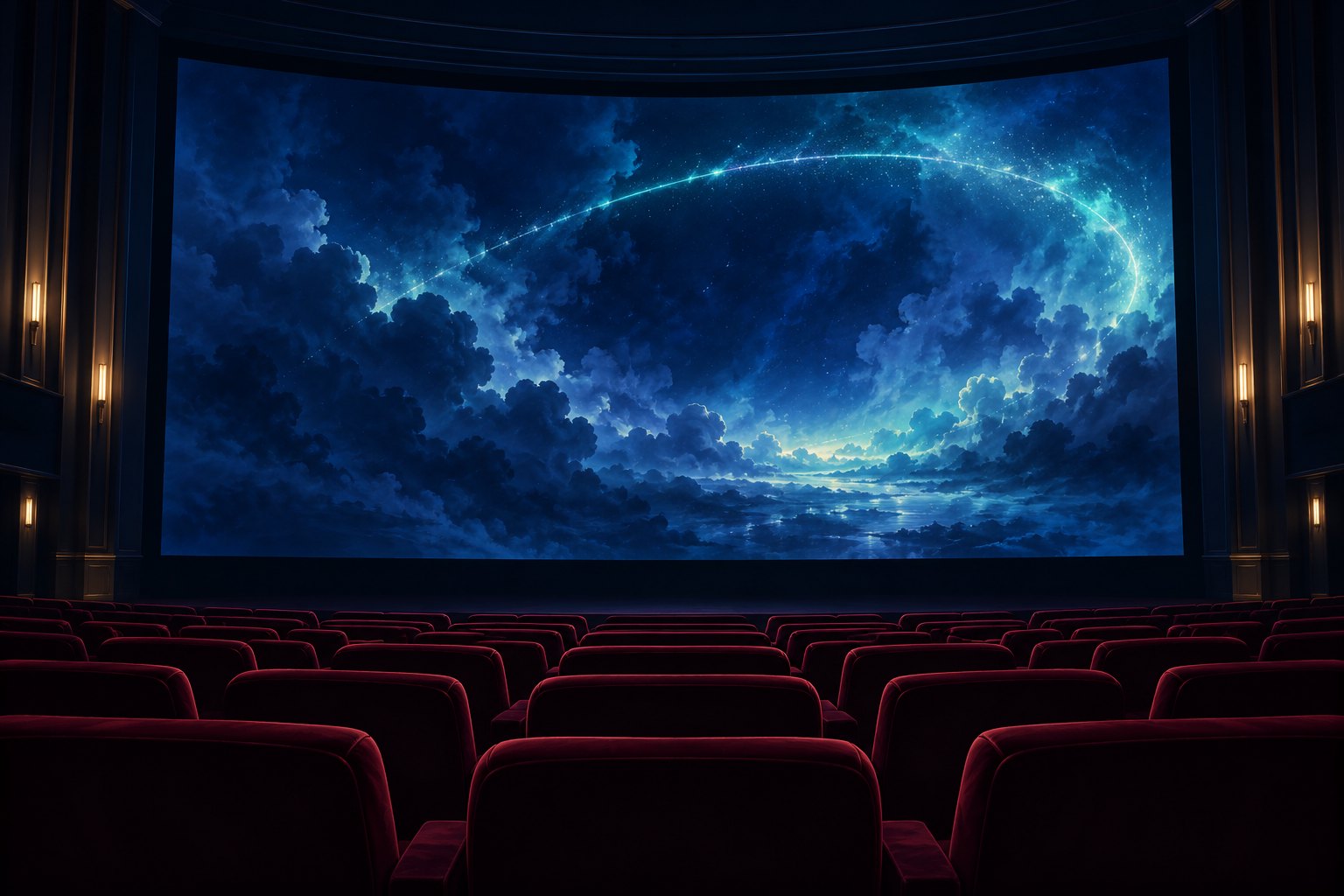
Witch on the Holy Night has shared a new visual promoting its IMAX release, bringing the anime film’s theatrical presentation into focus. For anyone following the project, the immediate news is straightforward: the promotional campaign now includes artwork tied specifically to IMAX. The more interesting question is what that emphasis on scale will contribute to the experience of watching the story.
This is a spoiler-free preview and critical commentary, not a review of the finished film. A promotional image offers a reason to pay attention, but it cannot establish how the movie handles its characters, dialogue, or dramatic payoff. Those distinctions matter especially when an attractive piece of publicity invites the audience to imagine an entire cinematic experience.
What the new visual actually tells viewers
Crunchyroll reported the new IMAX visual for Witch on the Holy Night. The useful takeaway is the connection between the film’s promotion and that theatrical format. It gives viewers interested in a large-screen presentation something specific to watch for when checking their local release information.
The artwork announcement alone should not be treated as confirmation of every detail a ticket buyer might need. Local availability, language options, showtimes, and the presentation offered by a particular theater require their own listings. Likewise, an IMAX promotional image does not, by itself, demonstrate an expanded aspect ratio or additional picture information.
There is also a distinction between promoting a format and demonstrating its artistic value. The former can happen with a single striking image. The latter emerges across scenes: how a composition directs attention, how movement remains readable, and how the framing connects a viewer to a character’s experience.
A promotional image makes a different argument than a movie
A standalone visual has to communicate quickly. It can invite curiosity through atmosphere, contrast, arrangement, and an impression of scale. A film has a more demanding job. It must sustain attention through changes in mood and pace, including stretches that would never make an obvious poster.
That difference is particularly useful when considering the IMAX campaign for Witch on the Holy Night. The announcement encourages anticipation of a theatrical event. My critical interest lies in whether the eventual viewing experience makes that scale feel necessary to the storytelling.
A beautiful frame can establish a mood. A sequence must develop it. A visually overwhelming moment can surprise an audience. To remain memorable, it usually needs a dramatic consequence: a relationship altered, a decision made, or an assumption overturned. These are standards for assessing the film when it can be evaluated, rather than claims about scenes it contains.
The same distinction between visual promise and dramatic achievement informs our examination of how a convincing screen environment becomes part of a story. Design earns its strongest effect when it influences how we understand the people moving through it.
The character test: whose experience fills the screen?
The most productive way to approach a spectacle-driven presentation is to ask whose point of view organizes it. Is the viewer meant to feel confidence, uncertainty, fascination, or fear? Does the scene allow us to understand what a character notices—and what that character fails to notice?
These questions prevent a discussion of animation from becoming a catalog of attractive surfaces. Detailed imagery can reward attention, but detail alone does not create emotional access. A character’s hesitation can be more revealing than an elaborate environment. The relationship between those two kinds of information is where visual storytelling becomes compelling.
For Witch on the Holy Night, a meaningful character-centered review will need evidence from the film itself. It would be premature to assign motives, describe relationship developments, or celebrate a particular performance on the strength of this announcement. Similarly, recognizable dialogue associated with a property should not be presented as movie dialogue without verification.
Our discussion of why character matters more than the attention surrounding a film announcement offers a related principle: publicity can establish interest, while the finished work must establish emotional credibility.
Why the quiet moments deserve equal attention
My strongest hope for a large-screen anime presentation is that it makes small decisions feel consequential. A held expression, a pause before a response, or a carefully maintained distance between figures can carry substantial dramatic weight. None requires constant visual escalation.
Scale can make those choices easier to register, but it also makes the underlying direction more exposed. If a scene has no clear center of attention, a larger image cannot supply one. If every moment demands maximum intensity, the audience may lose a sense of what deserves special emphasis.
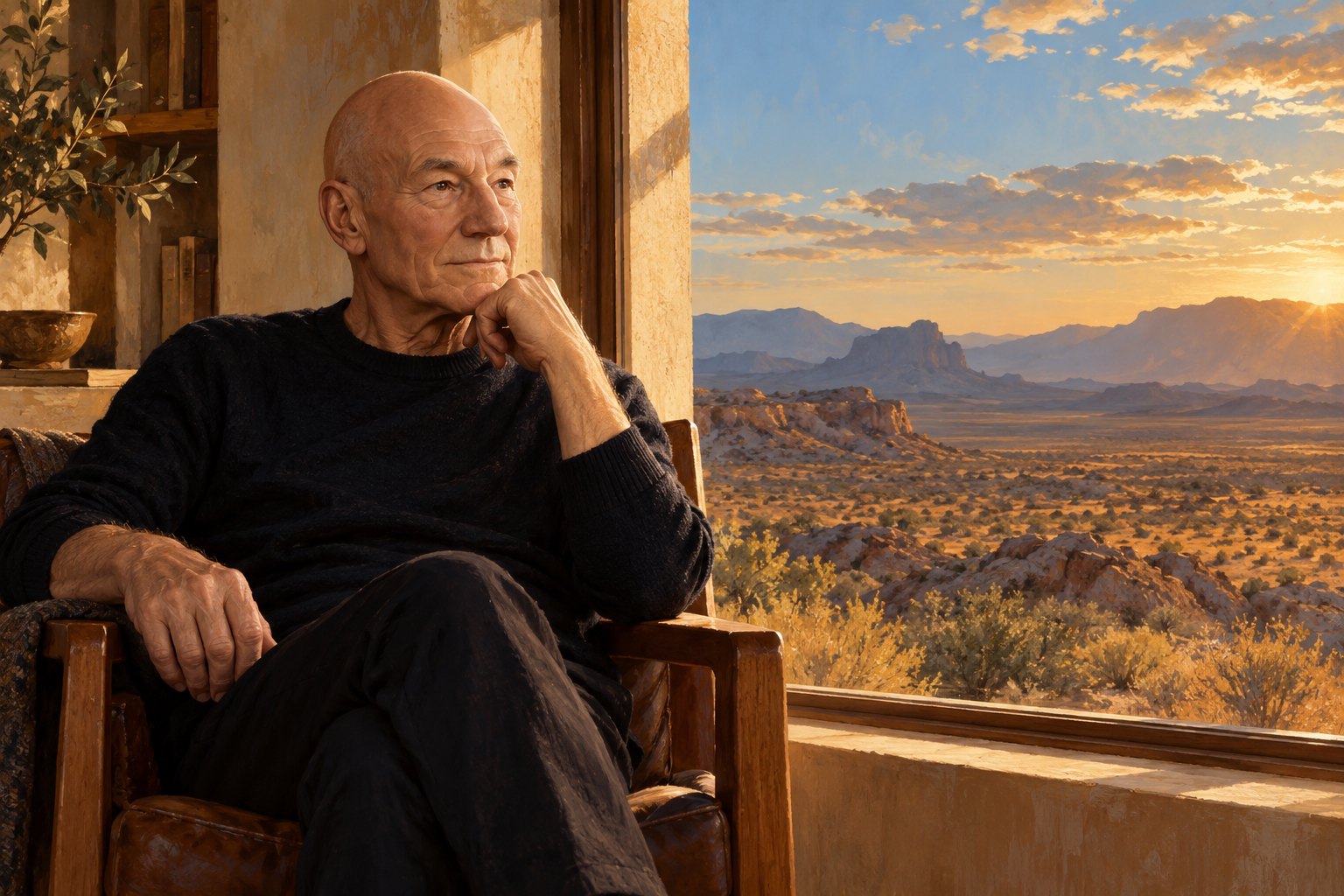
This illustration represents the viewing experience rather than footage or promotional artwork from the film. Its focus on an attentive face reflects the question worth carrying into the theater: does the presentation deepen our involvement, or does it mainly keep our eyes occupied?
A satisfying answer would involve contrast. Expansive imagery has greater force when the film also knows when to narrow its attention. Sound has greater dramatic purpose when there is room for restraint. The IMAX announcement makes those possibilities interesting; it does not establish that the film has fulfilled them.
What to check before choosing a screening
For viewers deciding how to see Witch on the Holy Night, the practical next step is to match the promotional announcement with the details of an actual screening. Consider the following before making plans:
- Confirm the format on the specific showtime. A theater offering IMAX does not mean every screening there uses it.
- Check language and subtitle information. Choose the presentation that lets you follow performances and dialogue comfortably.
- Look for explicit presentation details. Do not infer technical specifications from the appearance of promotional artwork.
- Consider your own viewing comfort. Seat position, screen visibility, and ease of reading subtitles can matter more than the promotional appeal of a format.
The promise worth holding the film to
The new IMAX visual gives Witch on the Holy Night a clear theatrical talking point. The deeper critical question is whether that presentation will bring viewers closer to its characters. Scale becomes expressive when it changes our understanding of vulnerability, distance, or power within a scene.
That is the promise worth testing when the finished film can be assessed. The most persuasive big-screen experience leaves more than a memory of impressive images. It leaves us understanding why a moment mattered to someone inside the story—and why it continues to matter after the screen goes dark.
Original content by this site's editorial team. Published: October 31, 2026 at 14:07:36 PDT (Los Angeles time)