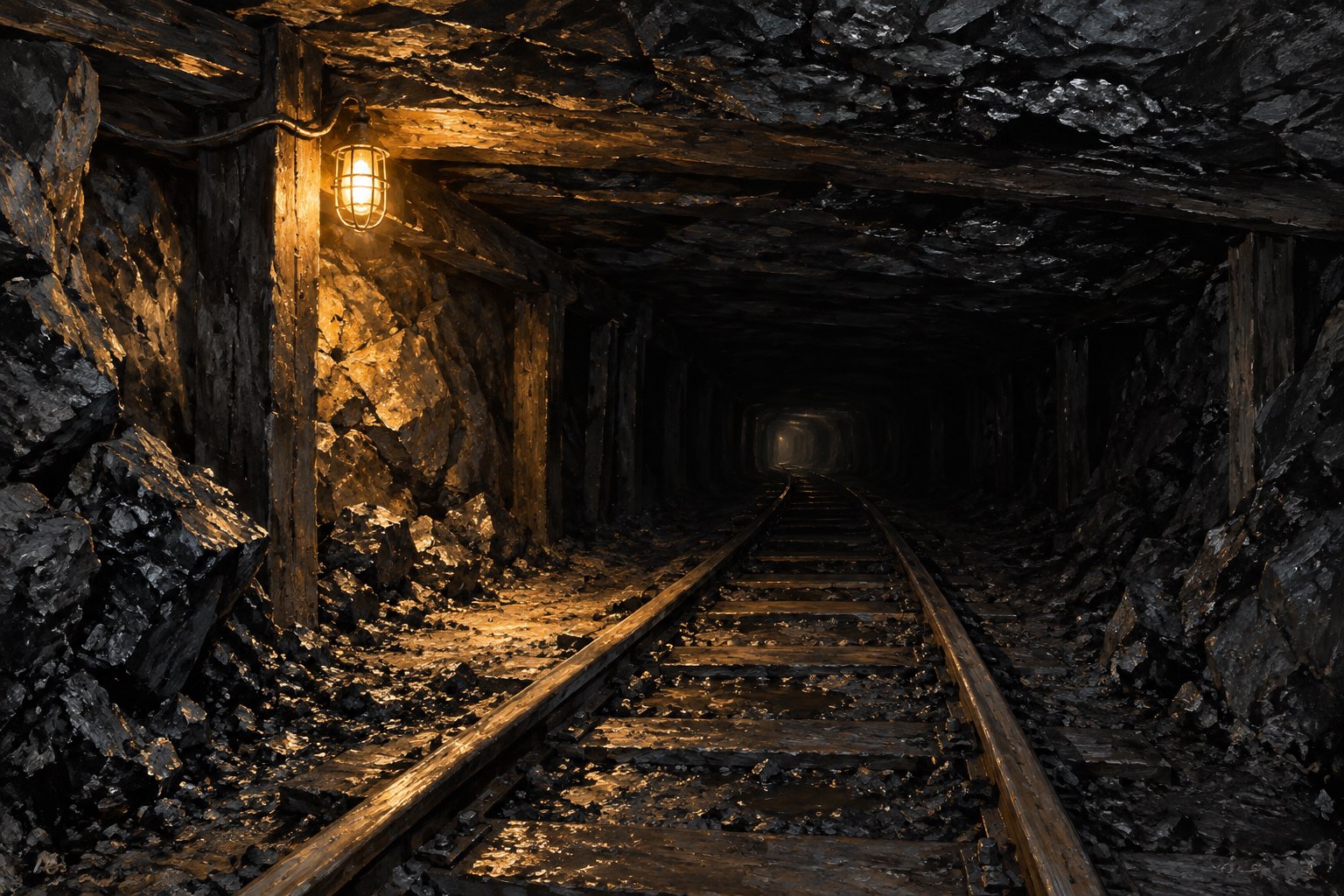
Beckley Exhibition Coal Mine gives the movie made inside it an unsettling association before any individual scene is considered: an underground workplace can become a setting for entertainment built around fear. West Virginia Watch’s commentary connects that production location with the idea that reality can be as frightening as fiction. The compelling question is how a film turns that connection into something audiences feel—and whose experience remains visible when the suspense takes over.
A mine carries meanings that a generic dark corridor does not. It suggests work, dependence, physical limits, and the effort required to make a living out of an unforgiving environment. My view is that this makes the Beckley location especially interesting as a subject for film commentary. Its significance extends beyond whether it looks ominous on camera.
This is spoiler-free commentary on the reported filming location and its implications. The film’s identity, characters, dialogue, and complete narrative have not been independently established here, so a scene-by-scene review or performance verdict would be premature.
A Real Location Changes the Question Behind the Fear
On screen, darkness invites viewers to imagine what they cannot see. An underground setting adds another concern: whether a person could get away even after identifying the threat. Visibility and freedom of movement become separate problems. A character might understand the danger perfectly and still lack the space or resources to respond.
That is a general dramatic possibility, rather than a description of a verified sequence in the Beckley production. It explains why the location matters. Suspense can emerge from the relationship between a body and its surroundings: how far someone can move, what they can hear, and whether another person can reach them.
Yet a real location cannot establish a film’s emotional credibility by itself. A camera can record convincing surfaces while a screenplay gives the people among them little interior life. The meaningful test is whether the setting influences decisions. Does it require knowledge? Does it change what help looks like? Does it make trust necessary?
Our discussion of how filming locations become meaningful places on screen approaches a related issue: production geography gains artistic value when it shapes lived experience within a story.
Character Perspective Makes Confinement Personal
A useful way to assess a mine-set film is to separate what the audience fears from what a character understands. For an unfamiliar viewer, an underground passage may register immediately as threatening. For someone who knows the environment, the same passage could be legible: a place with routines, recognizable sounds, and practical distinctions.
That difference offers richer drama than treating everyone as equally helpless. Expertise can change the meaning of a pause or a glance. Someone may notice a problem before being able to explain it. Another person may mistake confidence for reassurance. A story becomes more compelling when these differences arise from recognizable experience.
Without verified character details, it would be wrong to assign those roles to this particular film. They nevertheless provide a concrete standard for evaluating its use of Beckley. The strongest characterization would allow people to possess knowledge, obligations, and competing priorities before danger reduces their options.
Fear also becomes personal through responsibility. Being unable to leave is one predicament; believing that leaving would abandon someone is another. A film that understands the difference can make an enclosed setting emotionally expansive. The available space contracts while the consequences of each decision grow.
The Mine Should Retain Its Meaning as a Workplace
The connection between real danger and fictional fear becomes most interesting when work remains part of the picture. A mine is easily reduced to a collection of suspenseful images. But tools, clothing, and physical effort can also direct attention toward the people whose labor gives those images meaning.
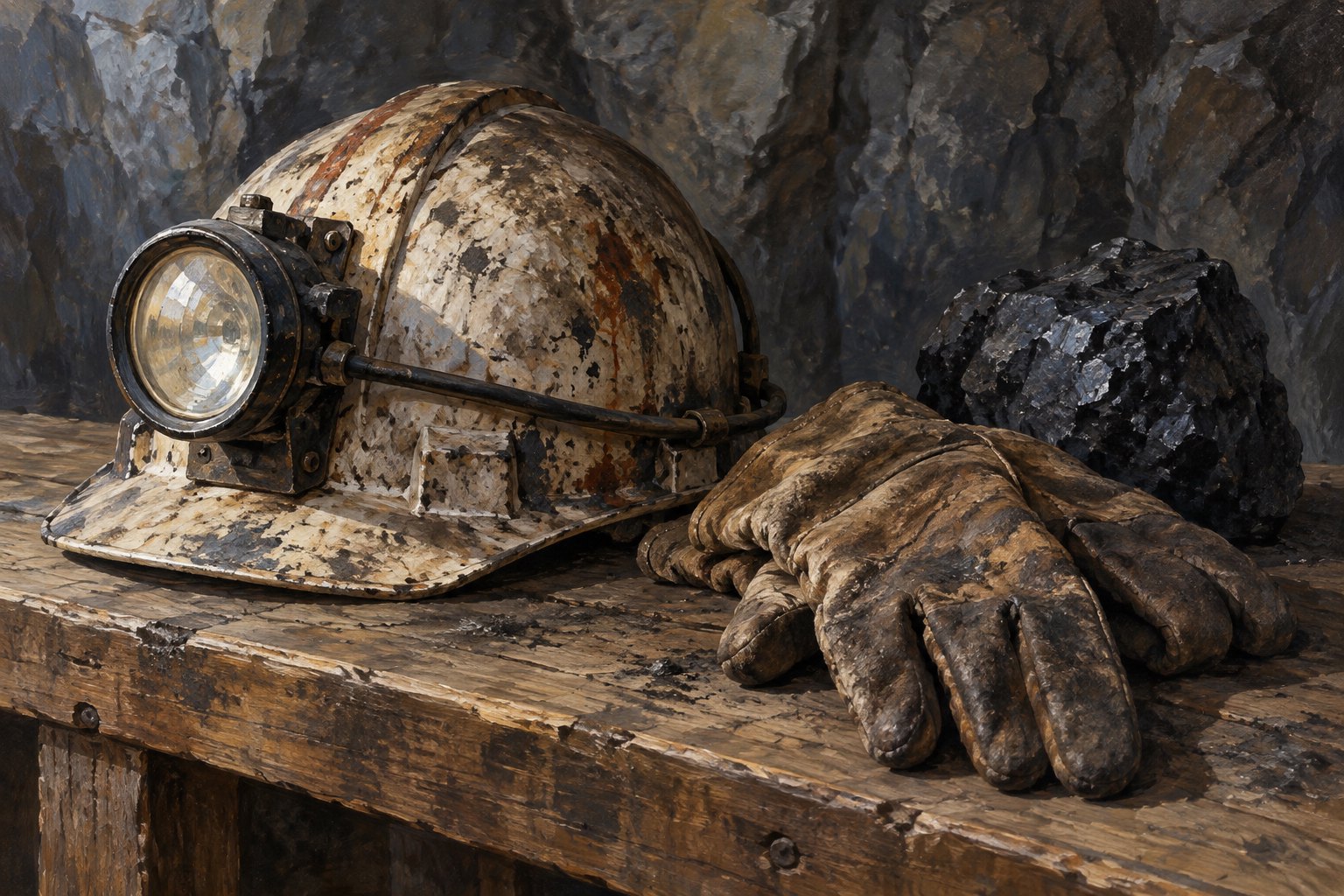
Consider the interpretive difference between seeing a helmet as an ominous abandoned object and seeing it as something a person wears to work. The first reading prepares us for a scare. The second invites us to imagine a routine, a body, and a life beyond the frame. Both can coexist, but the human association gives the frightening image greater weight.
This is where the Beckley production’s reported location creates an artistic responsibility. A film can draw power from the associations of mining without making its characters mere representatives of suffering. Humor, competence, impatience, affection, and disagreement are equally important ways to make people recognizable.
For me, the most persuasive approach would give the audience reasons to care about a person before asking it to fear for that person. Otherwise, an authentic setting risks becoming an impressive container for interchangeable victims.
Reality and Fiction Need Different Kinds of Trust
The suggestion that truth can rival fiction in terror is powerful, but it requires careful interpretation. Filming inside an actual mine establishes a production connection. It does not, by itself, establish that a story reconstructs a particular event or that its hazards, working practices, and characters are historically accurate.
These distinctions matter because images can feel authoritative. Viewers may instinctively extend their confidence in a location to everything happening within it. A compelling film can encourage that feeling without providing the evidence a factual claim would require.
Our analysis of visibility, vulnerability, and the camera in The Influencer Project considers another relationship between cinematic presentation and the trust viewers place in it. Here, the central distinction is between a place’s physical presence and the truth status of the story staged there.
It is also why memorable dialogue cannot responsibly be supplied without verification. A quotation can anchor a character interpretation, but only when its wording, speaker, and context are known. Imagining an effective line would tell us more about an imagined movie than the one made in Beckley.
The Deeper Fear Is Dependence
The most substantial interpretation available from the location is about dependence. An underground setting challenges the comforting idea that survival is entirely an individual achievement. Movement, visibility, communication, and assistance can all become conditions a person cannot simply will into existence.
Read this way, the connection between mining and cinematic fear concerns how people live with limits. Courage may matter, but so may listening, preparation, shared knowledge, and accepting help. Those possibilities offer a more thoughtful foundation for suspense than darkness alone.
Whether the Beckley-shot film realizes that potential requires a verified viewing-based assessment. The location’s promise, however, is clear: it can ask audiences to look beyond the thrill of being frightened and consider the human experience that makes the setting unsettling. The most lasting image would leave room for both the darkness and the people whose lives give it meaning.
Original content by this site's editorial team. Published: October 2, 2026 at 04:19:19 PDT (Los Angeles time)