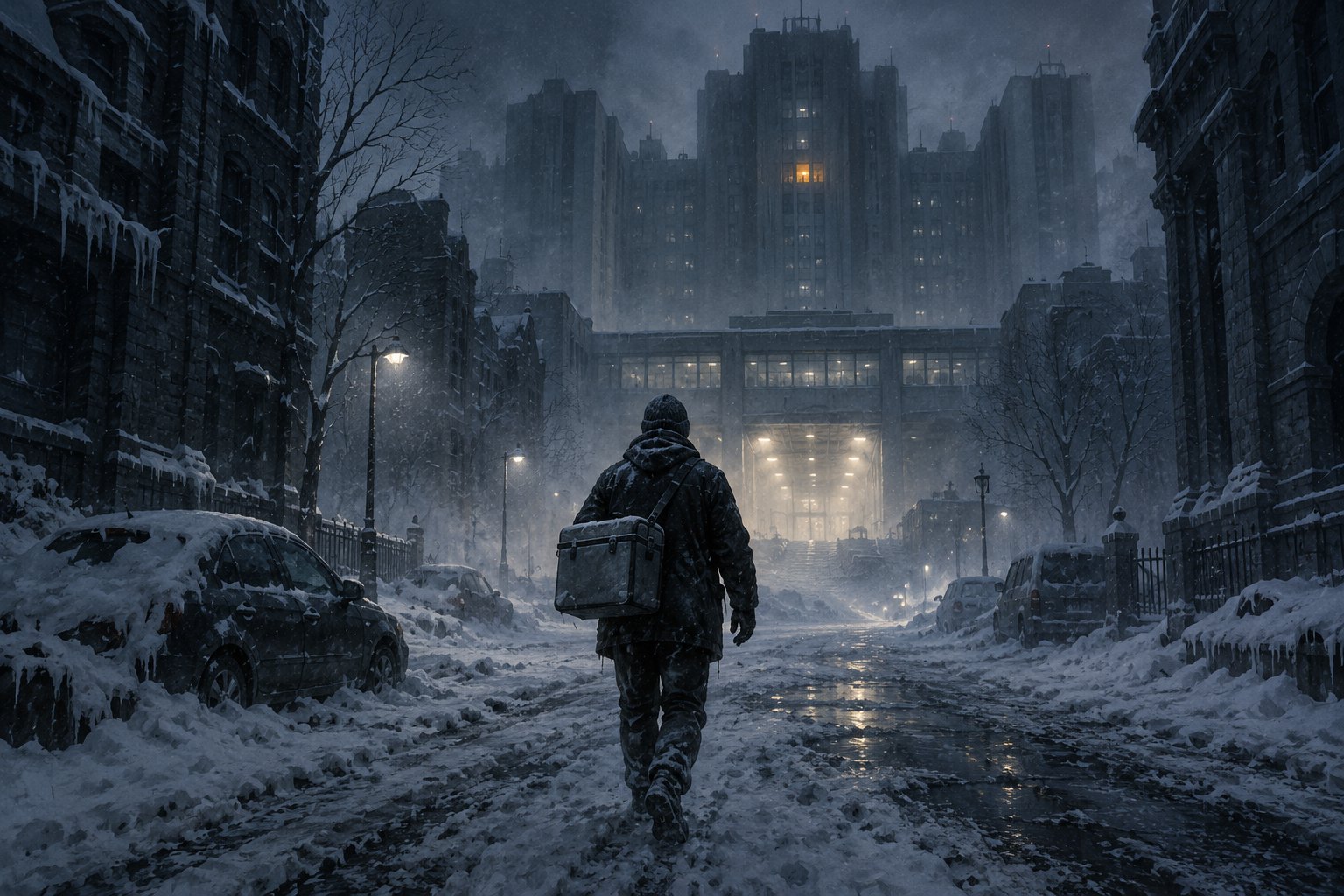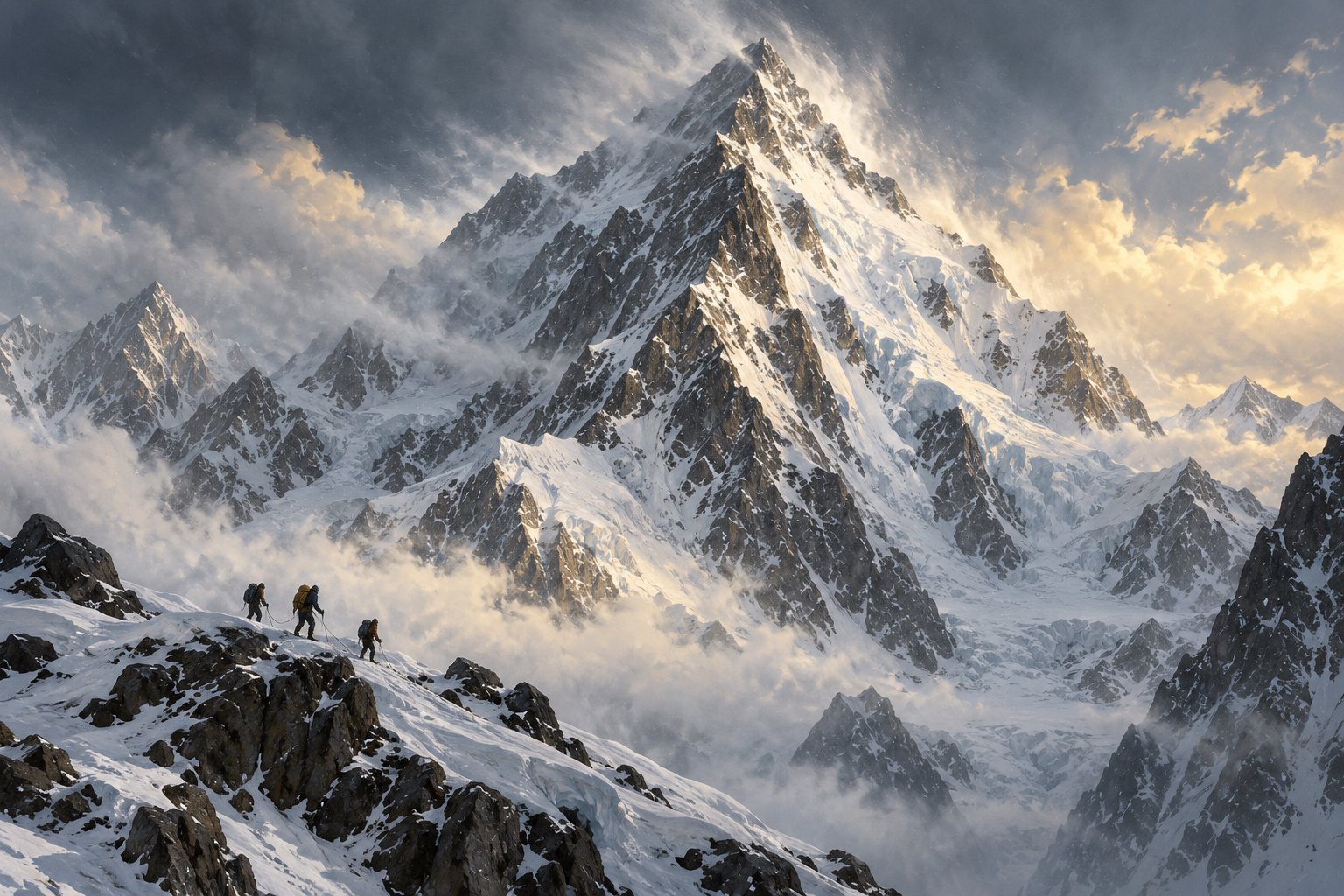
The Last First: Winter K2 turns a mountaineering milestone into a question about responsibility. Amir Bar-Lev’s documentary follows the pursuit of K2’s first winter ascent during the deadly 2021 season. Outside’s coverage emphasizes its accusatory dimension: five people died, and the film challenges the idea that the mountain alone explains the tragedy. That distinction gives this story its urgency. Dangerous conditions matter, but so do the decisions people make around them. [Outside’s coverage](https://www.outsideonline.com/featured?scope=anon)
Spoilers follow for the documentary’s events and ending. This critical analysis draws on documented film content and filmmaker interviews rather than a firsthand screening.
A shared mountain, competing definitions of success
The central figures include Icelandic climber John Snorri Sigurjónsson and Pakistani father-and-son mountaineers Ali and Sajid Sadpara. Their attempt intersects with commercial expeditions, people climbing with camera crews, and a Nepali team seeking recognition on its own terms. Apple identifies Bar-Lev as director and lists the documentary’s release as October 2, 2026. [Apple’s film information](https://www.apple.com/tv-pr/originals/the-last-first-winter-k2//)
That combination invites a more complicated reading than a simple contest between brave climbers and bad weather. The summit represents different things to different participants: personal achievement, family legacy, national recognition, or a story worth selling. Those motives can coexist without being morally interchangeable.
My reading is that the title captures the underlying trap. A “first” is scarce by definition. Once someone claims it, everyone else’s objective changes, even though their preparation, financial commitments, and emotional investment remain. A mountain does not become safer because a climber needs a different ending. The tension comes from how difficult that truth can be to accept.
John Snorri and the family outside the adventure
The Associated Press describes an early farewell between Snorri, his wife Lina Móey, and their children. Móey’s observation, “There was so much pressure on them,” places the expedition within relationships extending beyond the climbing party. Later, filmmaker Elia Saikaly asks, “What am I doing right now?” Those short lines connect two forms of accountability: leaving loved ones behind and recording other people’s suffering. [Associated Press review](https://apnews.com/article/8f58298fbca00b53a49c29bd572176e3)
A farewell has particular weight in this kind of story. For the person departing, it can mark the beginning of an adventure; for the person staying, it begins a period of waiting. Giving both positions moral weight prevents ambition from becoming its own justification.
That does not require treating Snorri’s commitment as foolish or his family’s concern as a warning inserted for dramatic effect. The stronger interpretation holds affection and disagreement together. Someone can understand a loved one’s need to climb without believing that every additional risk serves that need.
Ali and Sajid Sadpara make the stakes personal
The father-son relationship changes the meaning of an expedition team. Professional trust and family loyalty overlap, making the question of what climbers owe one another especially difficult. Ali and Sajid are not simply two names attached to the same objective. Their relationship gives the pursuit a continuity that no summit record can fully represent.
Defector’s account of the film describes its final movement: Sajid returns in warmer conditions to locate and bury his father. He also asks that photographs of Ali’s body not be posted to social media. These details shift the story toward a survivor’s authority over an intensely personal loss. [Defector’s discussion of the ending](https://defector.com/the-last-first-winter-k2-review)
To me, that request is more revealing than another statement about courage. It establishes a boundary. The public may feel invested in a famous expedition, but investment does not create ownership of a family’s grief.
The return also changes what achievement means. A task can be necessary, exhausting, and profoundly loving without producing anything resembling triumph. Sajid’s perspective offers a way to understand the mountain through an obligation to another person, rather than through the desire to overcome it.
Where the film’s accusation needs precision
Reporting on the documentary describes Seven Summit Treks clients reaching Camp Three without sufficient shelter and relying on other climbers’ tents. That episode makes expedition planning central to the film’s account of the disaster. It should be understood as part of the documentary’s argument, not an independently established finding that one company caused every death. [Reporting on the Camp Three sequence](https://as.com/deportes_accion/outdoor/un-documental-de-apple-tv-busca-culpables-en-la-muerte-de-5-alpinistas-en-el-k2-f202610-n/)
The distinction matters because responsibility has several layers. A climber chooses to participate; an organizer makes logistical decisions; neighboring teams may face urgent requests for help. Those choices interact, but they are not identical. Personal acceptance of danger cannot automatically settle questions about preparation or obligations to others.
A persuasive reading therefore asks specific questions. What resources were expected? Who controlled them? What options remained when plans failed? Condemnation becomes more useful when it identifies a decision and its consequences. Otherwise, blame risks offering the audience emotional closure without a clearer understanding of events.
The camera is part of the expedition
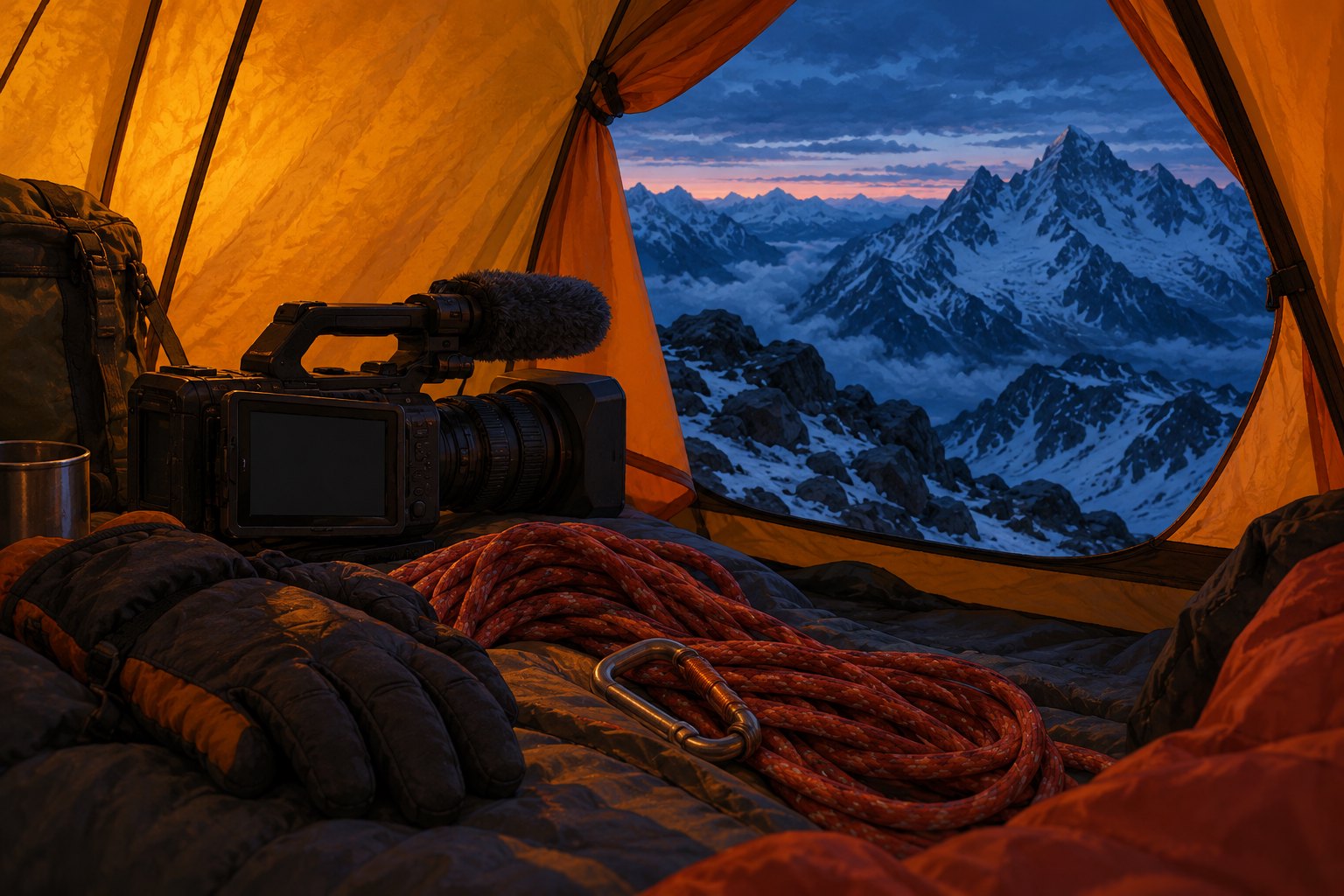
Bar-Lev told TheWrap that his team became involved years afterward and assembled material recorded by people on the mountain. He also described constant documentation as a force changing mountaineering culture. The footage consequently has two roles: it preserves evidence and belongs to the culture the documentary is examining. [Bar-Lev’s interview with TheWrap](https://www.thewrap.com/creative-content/movies/the-last-first-winter-k2-interview-amir-bar-lev-interview/)
This creates a difficult question for viewers. When does recording an experience begin to influence the experience itself? A camera can preserve a necessary account, but anticipation of an audience can also make retreat feel like a failed story.
The issue connects with our examination of how documentary footage becomes a persuasive argument. Access provides material; editing determines the relationships viewers perceive within it. More intimate images do not automatically produce a more complete explanation.
The deeper meaning of coming back
The most valuable interpretation of The Last First: Winter K2 concerns the stories people feel compelled to finish. A historic achievement, a national aspiration, a commercial promise, and a family commitment can pull in different directions. Calling all of them ambition conceals those differences.
Our discussion of how films make walking away meaningful offers a related narrative question: can an abandoned objective still represent a sound decision? Here, that question carries consequences far beyond storytelling.
My judgment is that the documentary’s most substantial subject is the unequal value assigned to achievement and care. A summit produces a clear public milestone. Preparation, restraint, assistance, and respect for grief are harder to turn into a headline. Yet those quieter obligations provide the most demanding measure of the people pursuing history—and of the films asking us to watch them.
Original content by this site's editorial team. Published: October 11, 2026 at 15:03:10 PDT (Los Angeles time)