Chautauqua Auditorium is part of the 2027 Sundance Film Festival venue story, with Sundance’s own preview presenting it as a setting for a new chapter of film exhibition. For movie lovers, the appeal extends beyond adding another location to a festival itinerary. A screening venue is where a film’s carefully constructed private world meets the unpredictable responses of a public audience.
That makes Chautauqua worth considering through a moviegoer’s eyes. What should a festival room make possible? How might the atmosphere surrounding a screening influence our response to a character? And how do we enjoy the occasion while keeping our judgment of the movie independent?
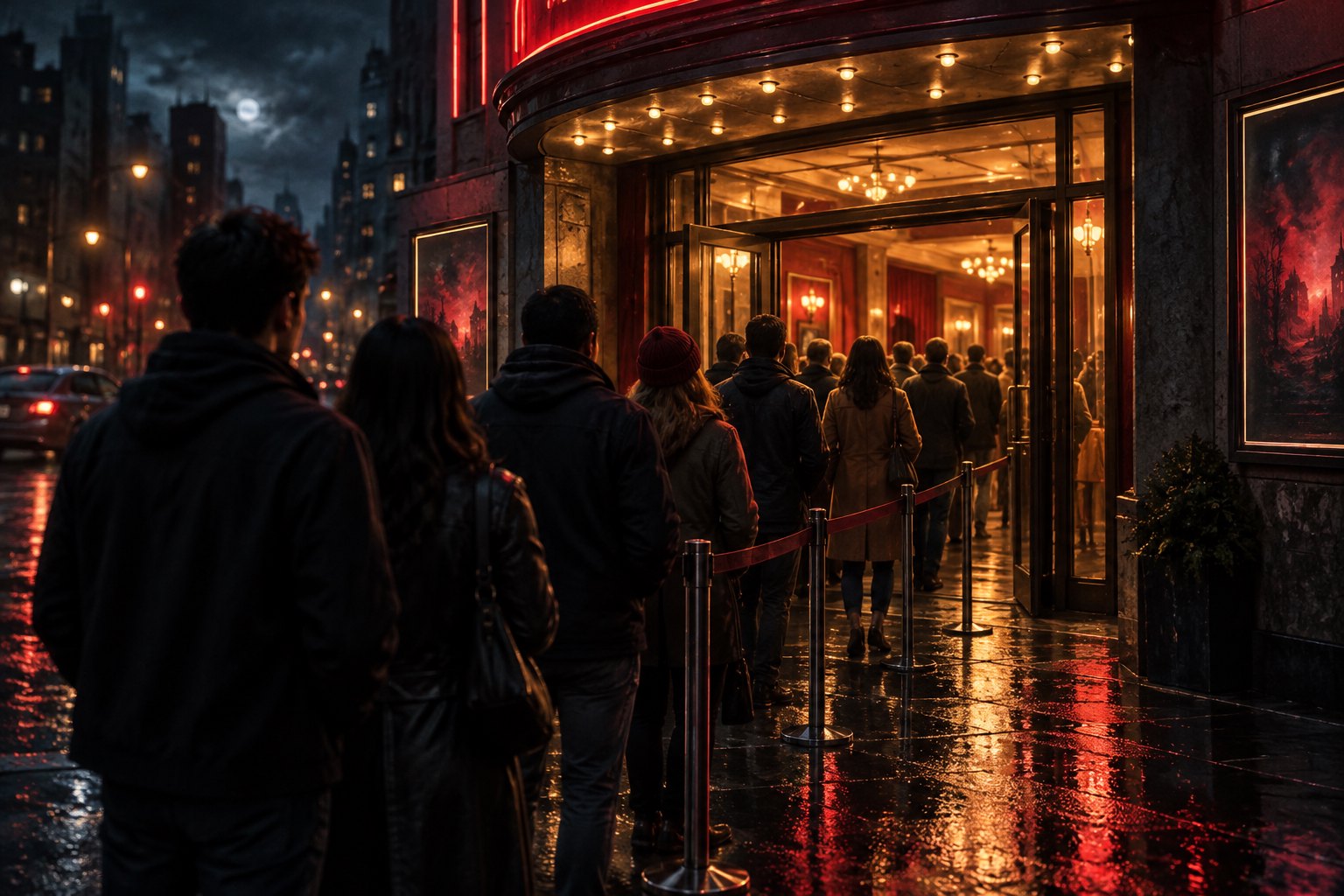
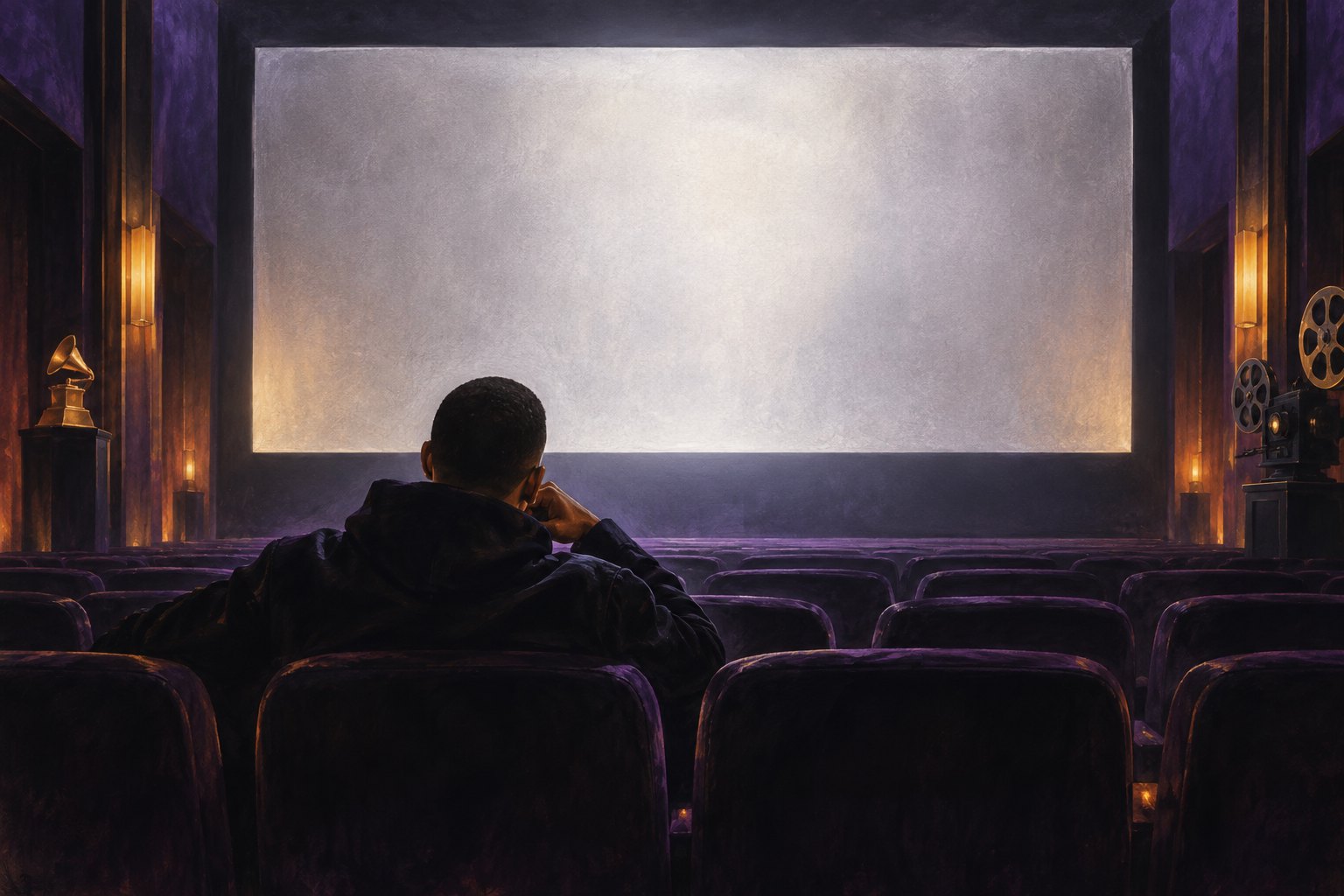
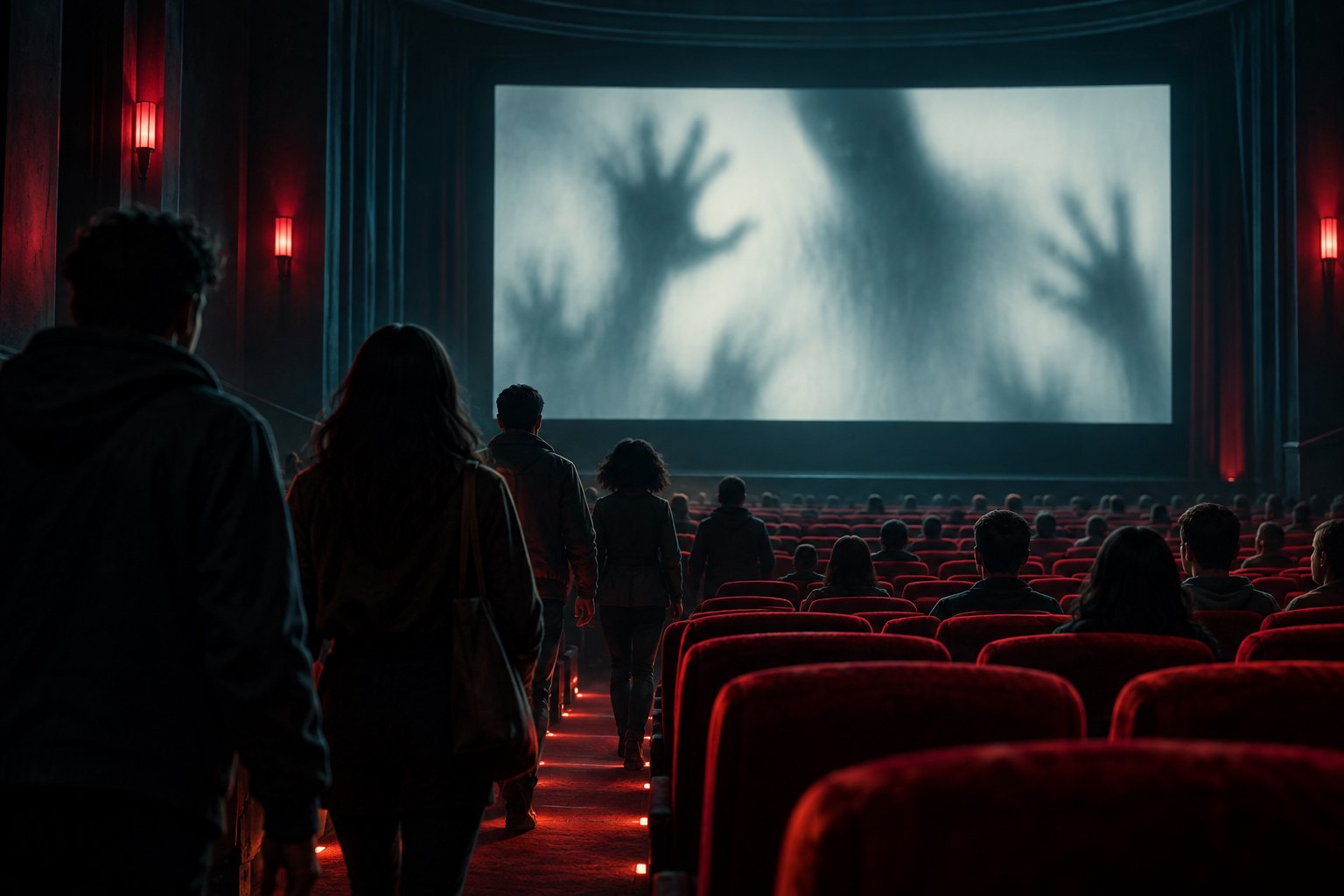
This is a venue-focused critical preview, with no movie spoilers. The illustrations are conceptual scenes, not documentary views of the auditorium or its festival configuration.
What the Chautauqua announcement establishes
The central news is straightforward: Sundance has included Chautauqua Auditorium in its introduction to the 2027 festival’s venues. That gives audiences a reason to follow the location as festival plans develop. It does not, by itself, tell us which screening will become a discovery, which performance will start a conversation, or how any particular film will play in the room.
Those distinctions matter because a venue announcement and a film review answer different questions. The first introduces a place in the festival experience. The second requires engagement with a finished work: its scenes, performances, editing, sound, and dramatic choices. There is no responsible way to extract a character arc or a memorable line of dialogue from a building announcement.
The productive question at this stage is what Chautauqua’s festival role could mean for the act of watching. My view is that the strongest promise of any festival venue is the opportunity to give an unfamiliar movie sustained attention, then carry that attention into a conversation afterward.
A screening room can change how a character reaches us
Character-focused criticism begins with observation. What does someone want? What are they willing to admit? Does their behavior contradict the story they tell about themselves? A film often answers through small details: a delayed reply, a glance that goes unreturned, or a cut that leaves us waiting outside a conversation.
Watching with other people adds another layer. Imagine a hypothetical scene in which a character dodges an uncomfortable question. Some viewers might laugh at the evasion; others might recognize fear. Hearing both responses can expose an ambiguity that a solitary viewing might leave unnoticed. The audience has not changed the scene, but it has made competing interpretations audible.
That possibility is especially relevant when considering Chautauqua as a festival setting. The worthwhile anticipation concerns encounters with stories and other viewers. Whether a particular screening fulfills that promise can only be assessed afterward.
The same attention to motivation guides our discussion of the challenge of preserving emotional intimacy in The Ex Vows adaptation. Across very different kinds of film coverage, the useful question remains how an audience comes to understand another person’s inner life.

The practical details that protect a movie’s meaning
Atmosphere matters, but the practical experience deserves equal attention. For any auditorium serving a film festival, clear dialogue, readable subtitles, usable sightlines, and accessible seating affect how fully people can follow a story. These are standards for evaluating a screening space, not claims about Chautauqua’s final setup.
Consider dialogue. An actor may lower their voice at the precise moment a character becomes honest. If that line is difficult to hear, the audience can miss the emotional turn. Likewise, a subtitle obscured from a particular seat can interrupt a viewer’s understanding of a relationship. Technical presentation and dramatic interpretation are closely connected.
Comfort also has an artistic consequence. When viewers can settle into a screening, they have more attention available for rhythm, silence, and uncertainty. A slow scene deserves to be judged on what it does within the movie, rather than through a distraction unrelated to the filmmaker’s choices.
For Chautauqua, the meaningful test will therefore be specific: how well does the screening experience let the work communicate? A welcoming arrival is valuable. So is being able to hear the quietest exchange once the lights go down.
Enjoy the festival atmosphere without borrowing its verdict
A festival occasion can create powerful expectations. Arriving excited, sharing a room with attentive viewers, and joining an enthusiastic response may all become part of a cherished moviegoing memory. That memory is real, even when a later assessment of the film becomes more complicated.
As a critical habit, I would separate two questions after a Chautauqua screening: What did the event make me feel, and what did the film do to earn that feeling? A moving final scene might complete a carefully developed relationship. It might also depend on music and performance to cover a missing dramatic step. The distinction takes reflection.
Our critical preview of Shuhua’s Happily Ever After debut applies a related principle: anticipation provides a reason to look closely, while the finished performance must support the judgment. Chautauqua’s place in Sundance creates interest; the films shown there will still need to make their own case.
What to check before choosing a screening
Readers considering a visit should connect their plans to the details of an individual screening. A venue introduction is a starting point, rather than a complete attendance guide. Before committing, check:
- The assigned location: Confirm that the film and showing you want are actually scheduled at Chautauqua Auditorium.
- Admission conditions: Read the applicable ticket, pass, arrival, and entry rules rather than assuming that every showing works identically.
- Access information: Verify seating accommodations, captioning or other available services, and the process for requesting assistance.
- Travel between screenings: Allow time for arrival and departure instead of planning solely around a film’s running time.
These checks serve a simple purpose: reducing uncertainty before the movie begins. None should be interpreted as a statement that a particular service, policy, or screening has already been confirmed.
The deeper promise of Chautauqua’s Sundance chapter
For me, the most compelling interpretation of Chautauqua’s festival role concerns shared attention. Cinema asks strangers to spend time inside experiences they may not recognize, following people they may initially misunderstand. A successful screening gives that encounter enough room to become surprising.
The lasting measure of this chapter will be the specificity of what audiences remember: a performance that complicated an easy judgment, a scene that prompted disagreement, or a character whose choices became clearer during the journey home. Chautauqua Auditorium offers a setting for those possibilities. The movies, and the attention viewers bring to them, will give the occasion its meaning.
Original content by this site's editorial team. Published: September 18, 2026 at 00:32:52 PDT (Los Angeles time)