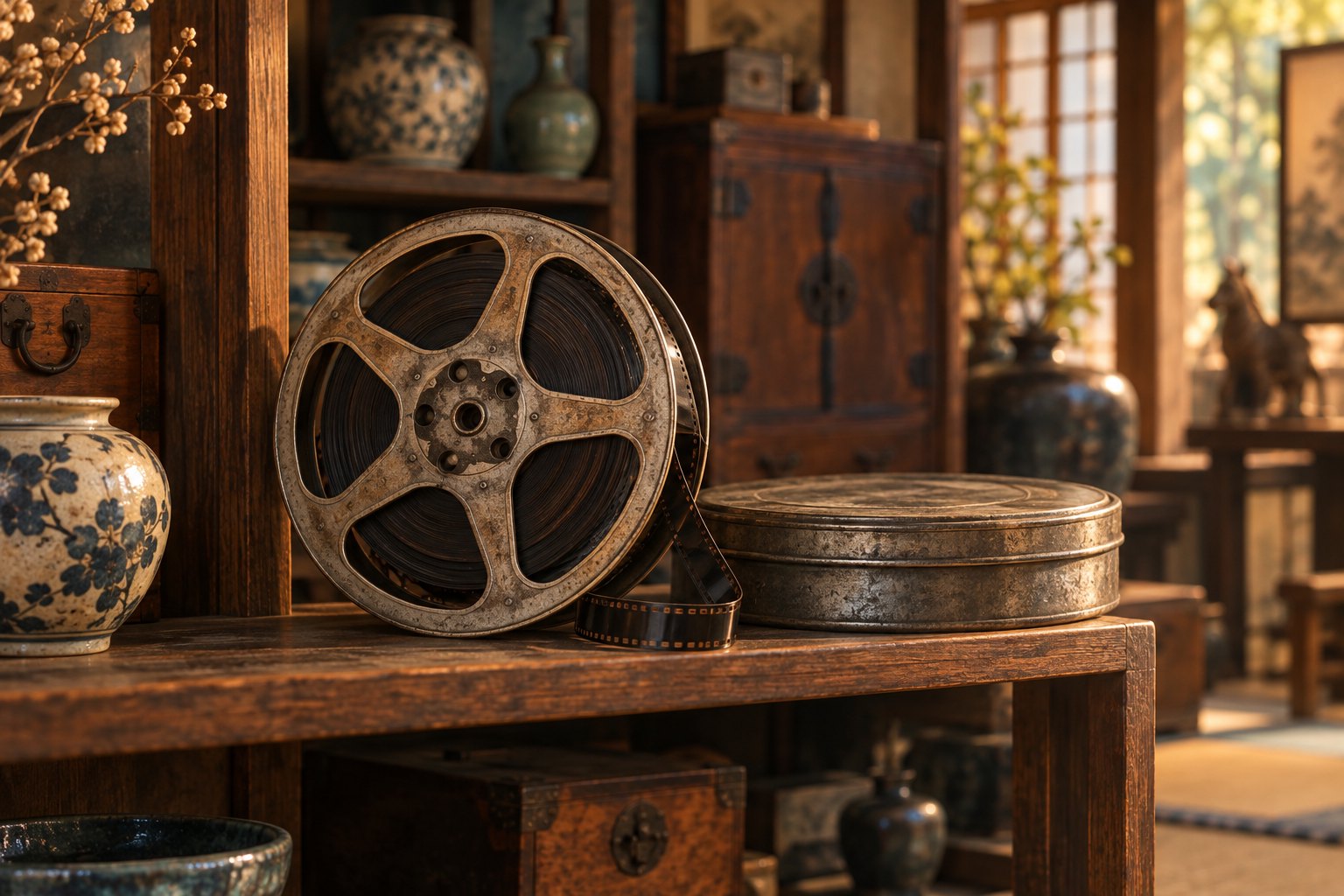
A century-old silent film made in New Hampshire has been found in a Japanese antique shop, according to [The Guardian’s report](https://www.theguardian.com/film/2026/sep/28/century-old-silent-comedy-new-hampshire-found-japan). The immediate attraction is the distance between those places: a movie associated with one American state turning up far across the Pacific. The more lasting attraction is the possibility of watching something that can still complicate our picture of early cinema.
There is an appealing story here before the projector even starts. But the discovery and the movie deserve separate consideration. Finding a film gives us a reason to pay attention; understanding its performances, storytelling, and artistic value requires seeing the surviving material. This is commentary on the discovery and its implications, rather than a review of the recovered film.
What the discovery tells us—and what it leaves open
The essential news connects three things: an old silent film, its New Hampshire origins, and its discovery in Japan. Those facts establish an intriguing encounter between regional filmmaking and an object found overseas. They do not, by themselves, explain the print’s travels, its condition, or how closely the surviving material matches the film as originally presented.
That distinction matters because a discovery story can acquire an imaginary second half remarkably quickly. Readers may picture a complete masterpiece, a pristine reel, or a direct journey from an American theater to a Japanese collector. Each is a possibility someone might imagine. None should become part of this film’s history without evidence.
The most useful questions are therefore concrete. How was the material identified? How much survives? Are scenes or title cards missing? What can an audience actually see? Answers would help readers understand the discovery’s scope without requiring either inflated excitement or premature skepticism.
New Hampshire should be more than a detail in the headline
For a film publication, the New Hampshire connection offers a productive change of perspective. Instead of approaching cinema exclusively through famous studios and familiar stars, we can begin with a place and ask how filmmaking used it. That opens a different set of critical interests: the relationship between performance and surroundings, the use of available spaces, and the choices that turn an ordinary location into a dramatic one.
Being made in New Hampshire does not automatically mean the movie tells a story about New Hampshire. A filming location and a fictional setting can serve different purposes. Any eventual analysis should establish that relationship before treating the film as an intentional portrait of local life.
Still, location can reward attention even when it is secondary to the plot. A viewer might examine how actors cross a space, what the camera includes beyond them, or whether the surroundings constrain an action. These are questions to bring to the film, not claims about scenes already verified.
The emotional appeal overlaps with our discussion of how a local cinema becomes part of a community’s memory. Both subjects ask us to be specific about what a place contributes to movie culture. Affection becomes more useful when it leads to observation.
Japan is part of the discovery, not an explanation of the journey
The antique-shop setting makes the news memorable because it places cinema somewhere outside the usual viewing experience. Here, the object comes first. Before an audience can discuss a performance or an ending, someone has to recognize that the material deserves examination.
It would be easy to turn that setting into a romantic account of international circulation. The more interesting approach is to leave room for the actual evidence. The location of a discovery cannot, on its own, tell us who acquired the print, whether it was publicly screened there, or how many owners it passed through.
Those distinctions give the Japanese connection substance. A documented history of ownership or exhibition could eventually tell a story quite different from the one suggested by geographical distance alone. Until then, the surprise is enough. It does not need an invented itinerary.
How to watch the film when a viewing opportunity arrives
A recovered movie invites two kinds of attention: curiosity about the surviving object and engagement with the story on screen. Both are worthwhile. The challenge is allowing the characters to become more than evidence of the film’s age.
Begin with what each character wants
Who initiates an action? Who resists it? Who misunderstands the situation? These basic questions establish a character’s perspective without imposing a modern psychological biography on the performance. Watch how a desire becomes visible through posture, movement, distance, and reactions to other people.
A useful character analysis should connect an observable choice to its dramatic consequence. Calling a performance charming or exaggerated tells us little unless we explain what the actor does and how that choice shapes our response. The same principle informs our examination of how physical performance can express character: movement deserves to be treated as storytelling.
Notice who knows what
Follow the distribution of information between the characters and the audience. Does a reaction reveal something before another person notices it? Does framing let the viewer anticipate an encounter? Such questions help explain suspense, surprise, or humor without reducing silent filmmaking to a sequence of gestures.
Title cards, where present, also need close reading. A memorable line should be quoted from a verified viewing copy, with its context intact. No dialogue or intertitle can responsibly be supplied here simply to make the discovery sound more cinematic.
The surviving copy shapes the experience
Before assigning meaning to an abrupt transition or an unresolved action, a reviewer should ask what is known about the version being shown. An apparent storytelling problem might warrant a different interpretation if accompanying documentation identifies missing material. Conversely, age alone should not become a blanket excuse for every artistic weakness.
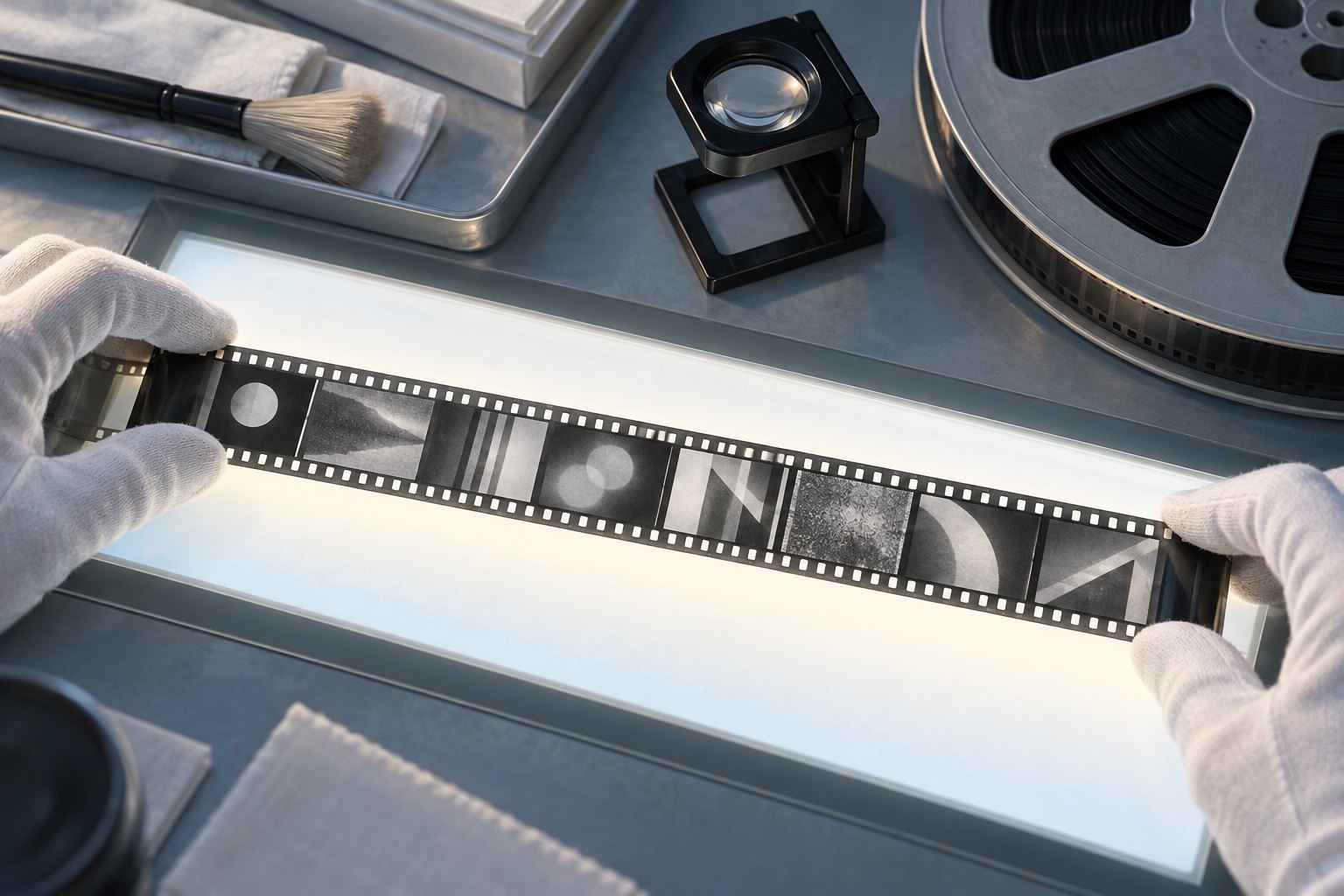
Presentation deserves similar care. Viewers should look for information about the copy, any reconstruction, and the accompaniment used for a screening. These details help distinguish the historical material from the experience created around it. They also make disagreements between viewers more intelligible: people may be responding to different presentations.
A second audience is the meaningful next chapter
My view is that this discovery’s strongest promise lies in renewed attention. A recovered film need not prove itself a masterpiece to justify watching closely. It may reward us through an expressive performance, an unexpected construction of a scene, or a small detail that changes how we understand its setting. Those possibilities remain invitations, not verdicts.
The deeper significance is a shift from possession to encounter. An old film can be valued as an object, but cinema also asks for time from an audience. The New Hampshire film’s discovery in Japan creates the possibility of that exchange again. The most respectful response is to welcome it with curiosity—and then let the surviving images earn their own interpretation.
Original content by this site's editorial team. Published: September 28, 2026 at 23:55:38 PDT (Los Angeles time)