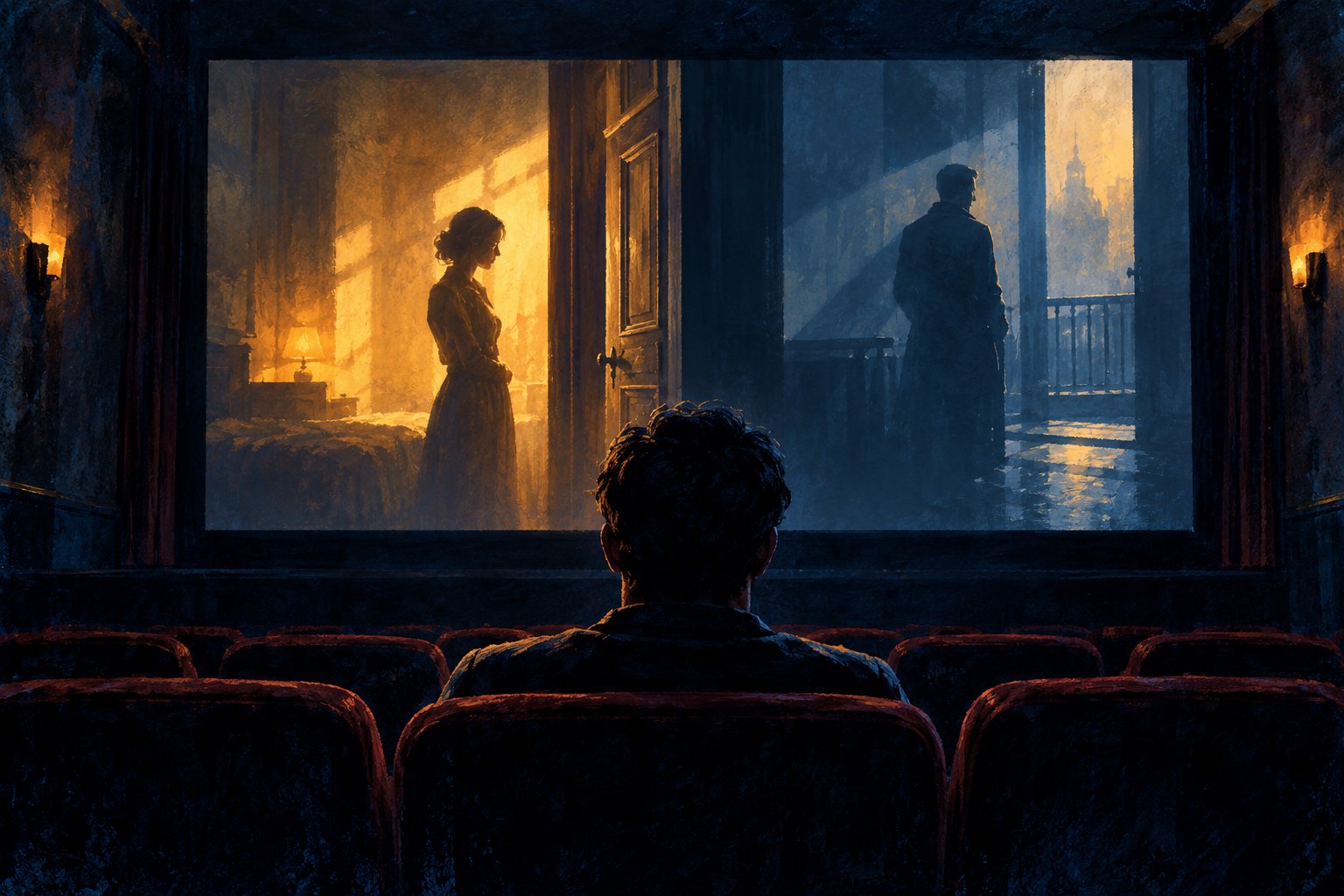
For a Halloween movie treat with more on its mind than jump scares, The Nightmare Before Christmas remains an excellent choice. Its monsters are delightful company, its seasonal collision supplies wonderfully strange comedy, and its central mistake feels surprisingly familiar: someone becomes so excited about a new idea that he stops listening to everyone affected by it.
My strongest reason to revisit it is Sally. Jack Skellington commands the spectacle, but she supplies the perspective that makes his adventure worth questioning. Watch their relationship closely, and this holiday favorite becomes a pointed story about the difference between being admired and being understood.
Spoiler warning: The following review discusses the complete story, including its ending.
Jack’s problem begins before Christmas arrives
Released in 1993, the stop-motion musical was directed by Henry Selick, with Tim Burton providing the story and serving as a producer. Chris Sarandon supplies Jack’s speaking voice, Danny Elfman his singing voice, and Catherine O’Hara voices Sally. These distinctions matter in a film whose identity depends on the collaboration between performance, music, and physical animation. [AFI’s film credits](https://catalog.afi.com/Film/59619-THE-NIGHTMAREBEFORECHRISTMAS)
Jack begins as Halloween Town’s celebrated Pumpkin King, privately exhausted by the routine that makes everyone else happy. His discovery of Christmas Town gives that exhaustion a dazzling new direction. Suddenly, a life organized around frightening people seems to contain only a fraction of the possibilities available to him.
The emotional premise is persuasive because success has become Jack’s trap. Nobody needs to mistreat him for him to feel lonely. The town loves his public identity so enthusiastically that there is little room for uncertainty inside it. His dissatisfaction is therefore sympathetic even when his proposed solution becomes disastrous.
Jack’s delighted question, “What’s this?”, expresses the best part of him: curiosity. The trouble begins when curiosity hardens into confidence. He wants to recreate the feeling Christmas gives him before understanding what makes that feeling possible for anybody else.
That transition gives the film its bite. Recognizing beauty does not automatically confer the ability to reproduce it. Jack mistakes the force of his response for mastery of its cause.
Halloween Town turns enthusiasm into a collective mistake
Jack’s attempt to explain Christmas to his neighbors is especially funny because they interpret unfamiliar objects through familiar habits. Their imagination is active, inventive, and almost entirely unsuited to the assignment. They can manufacture Christmas-shaped things without understanding the expectations attached to them.
The town’s eagerness makes the comedy more generous. These creatures are not simply incompetent workers spoiling a brilliant leader’s plan. Jack has failed to communicate something he has not properly understood himself. He supplies ambition where explanation should be.
For me, this is the film’s sharpest observation about creativity. Style can travel faster than meaning. A costume can be copied; a relationship with an audience has to be earned. Jack’s terrifying gifts expose that gap with wonderfully economical cruelty.
His enthusiasm also makes agreement feel like a civic duty. Once the project becomes everybody’s exciting new purpose, raising an objection requires more courage than joining in. The cheerful production effort carries an uncomfortable question: who is still checking whether this is a good idea?
Sally understands what Jack refuses to hear
Sally is already struggling for independence from her controlling creator, Dr. Finkelstein. Her affection for Jack therefore develops alongside a separate desire to make decisions about her own life. That distinction keeps her from being merely a lonely admirer waiting for the hero’s attention.
She recognizes his unhappiness, but recognition does not make her endorse his plan. When she warns him, “It’s a mistake, Jack,” her clarity cuts through the elaborate preparations. He responds by praising her ability to make his costume. He appreciates her usefulness while missing her meaning. [Film dialogue transcript](https://the-nightmare-before-christmas.fandom.com/wiki/Transcript)
This exchange makes their imbalance painfully legible. Sally offers judgment; Jack hears a production problem. He is not deliberately trying to hurt her, which makes the scene more recognizable. Affection can coexist with a remarkable failure to pay attention.
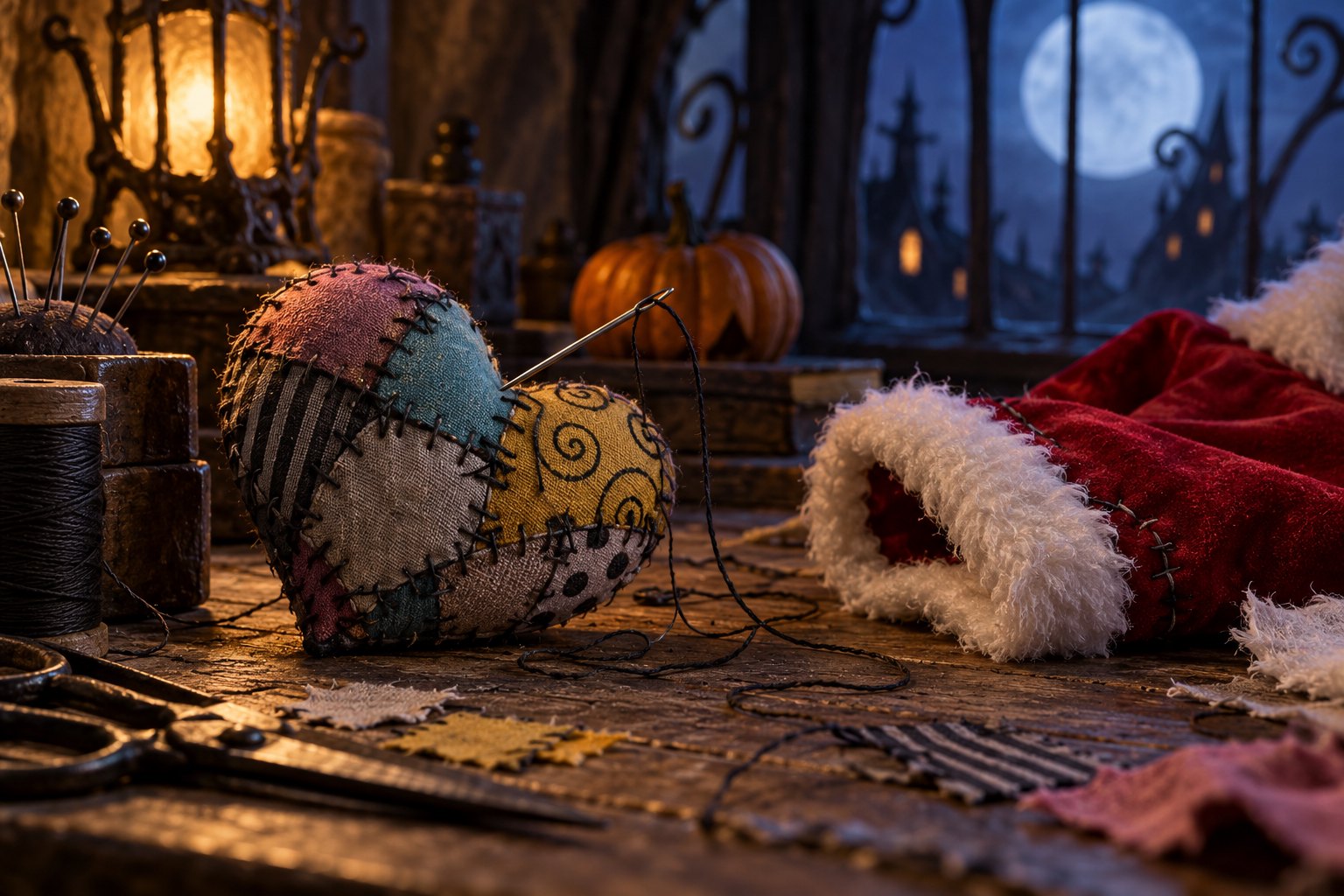
O’Hara’s vocal performance gives Sally’s restraint emotional weight. Her quieter presence asks the audience to listen differently after Jack’s expansive musical declarations. The contrast makes room for hesitation, worry, and affection that cannot find a receptive listener.
That is the kind of characterization explored in our discussion of why performances deserve attention beyond their showcase scenes. A character’s importance often emerges through what another character fails to acknowledge.
The handmade world carries the argument
The film’s visual appeal is inseparable from its characters. Jack’s spare silhouette makes his gestures unusually readable. Sally’s visible seams give her vulnerability a physical form, while her resourcefulness prevents that vulnerability from becoming helplessness.
The environments create a similar tension. Halloween Town’s crooked forms feel expressive and lived in. Christmas Town’s welcoming brightness feels extraordinary through Jack’s eyes. The contrast helps us understand his attraction without requiring us to accept his conclusions.
There is pleasure in looking closely at the surfaces, too. Cloth, sculpted faces, and miniature architecture give fantasy an apparent weight. Even an impossible body seems to occupy a space that resists it. That material quality makes the characters’ emotional discomfort feel more tangible.
For a useful approach to those details, our guide to reading character through images, sound, and framing offers techniques that work just as well with animation. Here, watch who fills the frame and who waits at its edge.
The ending is satisfying—and a little too forgiving
Jack’s Christmas expedition ends in disaster. Sally’s attempt to rescue Santa puts her in danger, and Jack must return to confront Oogie Boogie. Santa then repairs the damage to Christmas. Jack’s renewed commitment to Halloween accompanies his eventual recognition of Sally.
The resolution works emotionally, but it also reveals the film’s limitation. Jack receives a remarkably generous recovery from a crisis he helped create. Sally has understood the danger for much longer, yet the climax still centers his opportunity to act.
I find their final connection moving without finding the relationship fully developed. The film gives us ample evidence that Sally understands Jack. It leaves less time to demonstrate what he understands about her beyond gratitude and newly awakened affection.
That imbalance does not erase the ending’s warmth. It gives the sweetness an interesting qualification: recognition has finally begun, but the work of listening presumably continues after the kiss.
The deeper Halloween treat: wonder without ownership
My reading of the film is that Jack’s essential mistake is confusing inspiration with entitlement. His longing deserves sympathy. His certainty deserves resistance. The story remains compelling because both judgments can be true at once.
Halloween makes that tension particularly fitting. It is a holiday of borrowed identities, temporary transformations, and the pleasure of becoming someone else. Jack takes that freedom too literally, treating another person’s role as an answer to his own dissatisfaction.
The closing arrival of snow offers a gentler possibility. Halloween Town can experience something unfamiliar without taking control of it. Wonder becomes a gift rather than a project Jack must direct.
That is why this remains such a rewarding seasonal watch. Beneath the pumpkins, songs, and grotesque jokes is a recognizable emotional challenge: staying open to a larger world while learning that other people are more than supporting characters in your reinvention.
Original content by this site's editorial team. Published: October 27, 2026 at 15:17:00 PDT (Los Angeles time)